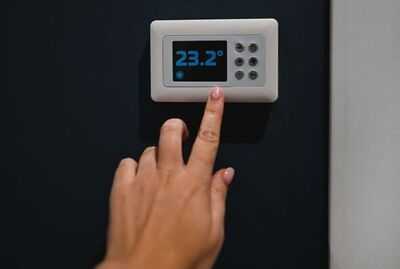
The sun is finally showing itself, which means lots of people are starting to wonder when is a good time to turn off their heating. However, though you may not need it that much as we approach the summer, UK households have actually been urged to leave it on at certain times.
Little you may know, most people tend to turn their heating off in May, as the warmer weather starts to stick around. The general guideline is to turn it off when outside temperatures consistently reach 14°C to 15°C, though some may wait until they are comfortable without it.
You may not want to act too quickly though, and there are big reasons why. While you may not need to leave it on all day, there are benefits to maintaining steady use.
Patrick Garner, Gas Safe Engineer at Heatable, said people could be making a mistake by opting to switch it off. Downtime for your boiler doesn't mean a reduction of wear, but rather the potential for a frustrating (and expensive) autumn breakdown.
He explained boilers don't respond well to a long summer holiday, noting: "People assume no use means no problems. But, in many cases, it's the lack of movement within the boiler that causes issues."
If you're still using hot water, your boiler will continue to fire occasionally, keeping parts active. But, if you switch everything off entirely for four or five months, that's when trouble can start brewing.
He said a summer shutdown comes with three big risks. For one, the pump is one of the most common boiler failure points. Just like you, if it sits still for too long, it can become stiff or completely seize up, especially in older systems. That means no circulation, and no heating when you need it.
Valves control the flow of water in your boiler, but they don't like being idle. A long summer break can cause them to stick completely, stopping heat from reaching your radiators or hot water system.
Rubber seals can also dry out or harden over time. This means that leaks can easily happen when you turn your heating on after a significant break.
Patrick warns that the risks aren't always obvious at first. "You might not notice anything until the first cold morning, then suddenly the heating won't come on, or you've got a leak," he added.
The cost of ignoring your boiler all summer can quickly add up. Patrick explained: "What starts as a small issue could turn into a repair bill in the hundreds. In worst cases, you could be looking at major component failure or even replacement."
It's not just complete shutdowns that matter either. Systems that already have sludge build-up, ageing parts or minor faults are far more likely to develop problems if left unused.
What to do insteadRun your heating for 10 to 15 minutes every few weeks during summer. This keeps water moving, prevents components from sticking, and helps your boiler stay healthy.
If you use hot water regularly, especially with a combi boiler, this activity can help keep things ticking over. For systems with a hot water cylinder, maintaining sensible hot water use can prevent the system from going completely dormant.
What you shouldn't do is leave the heating running constantly "just in case." That will only waste energy and increase bills unnecessarily.
"A little bit of use goes a long way," he added. "You don't need to run the system constantly. You just need to stop it from sitting completely still."
-
Yuzvendra Chahal Wants To Open For Punjab Kings, Preity Zinta Gives Epic Response

-
ICSE, ISC Results 2026 Tomorrow: Know Date, Time And Where To Check Scores

-
Mahieka Sharma Spotted Cheering With Hardik Pandya's Son Agastya As Ritika Sajdeh Attends MI VS SRH At Wankhede

-
Salar Jung T20 Cricket Tournament 2026: CCI Beat Young Friends By 5 Runs To Win Title In Mumbai

-
Three Dharawad Cops Suspended After Student Dies By Suicide Following Harassment, Extortion Bid