
Oil prices rose 3% on Wednesday, with the Brent contract hitting a one-month high, on media reports the U.S. will extend its blockade of Iranian ports, likely prolonging supply disruptions from the key Middle East producing region.
U.S. President Donald Trump has instructed aides to prepare for an extended blockade of Iran, the Wall Street Journal reported late on Tuesday, citing U.S. officials. Trump will opt to continue to squeeze Iran's economy and oil exports by preventing shipping to and from its ports, the report said. Despite a ceasefire in the U.S.-Israeli war with Iran, the conflict is deadlocked as both sides seek a formal end to the fighting.
Brent crude futures for June rose $3.33, or 3%, to $114.59 a barrel at 1004 GMT, climbing for an eighth day to the highest since March 31. The June contract expires on Thursday and the more active July contract was at $107.43, up 2.9%.
U.S. West Texas Intermediate (WTI) futures for June rose $3.55, or 3.6%, to $103.48 a barrel, the highest since April 13. The contract has risen for seven out of the last eight days.
"The recent rise in oil prices has been driven by the Strait blockade. If Trump is prepared to extend the blockade, supply disruptions would worsen further and continue to push oil prices higher," said Yang An, an analyst at Haitong Futures. Abu Dhabi National Oil Company has notified some customers that they could load two crude grades outside of the Gulf next month as the Strait of Hormuz remained closed, according to two people with knowledge of the matter and a notice reviewed by Reuters. Investors were also assessing the ramifications of the United Arab Emirates' surprise decision to quit OPEC.
Analysts did not expect any major near-term impact on the market from the move.
"The United Arab Emirates’ exit from OPEC+ formalises the organisation's weaker cohesion, but the near-term impact is limited," said an ANZ Research note. "The move reflects long-standing quota tensions, but prices are still being driven more by geopolitics, inventories and logistics than by institutional changes."
There must be a resolution in the Gulf that allows for uninhibited energy flows through the Strait of Hormuz once again before the UAE's output increase can come into effect, ING analysts wrote in a note on Wednesday.
In the medium to longer term the UAE's decision means more supply for the market, which suggests that the Brent forward curve should move into deeper backwardation, the ING analysts said.
Market participants awaited data from the U.S. Energy Information Administration on stockpiles. The American Petroleum Institute reported on Tuesday domestic crude oil inventories fell for a second week. (Reporting by Stephanie Kelly in London, Sam Li in Beijing and Siyi Liu in Singapore; Editing by Clarence Fernandez, Jane Merriman and Keith Weir)
-
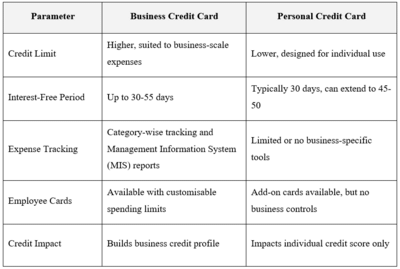
Is A Business Credit Card Right For You? 5 Signs
-
Hyderabad: Breeding syndicate suspected as abandoned Siberian Husky dogs rescued

-
Xavi Simons has sent Tottenham the perfect message as his injury recovery continues

-
Shocking Abduction and Assault Case in Meerut Involving a 13-Year-Old Girl

-
Noida Implements Section 163 of Civil Security Code Amidst Rising Tensions