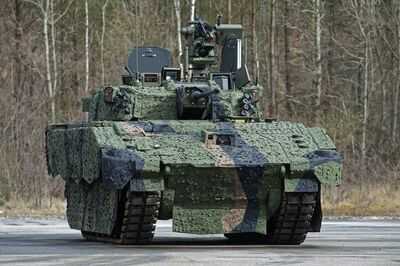
The definition of insanity is doing the same thing over and over again and expecting a different outcome. Perhaps the Ministry of Defence is clinically insane, or perhaps it is desperate, but either way, I am concerned about the news that trials of the Army's troubled Ajax armoured vehicle are set to continue. This is a programme that has been besieged by issues practically since its inception in 2010. For those who struggle with maths, that is 16 years ago.
16 years and £6billion later, the army still has not had receipt of its much-heralded armoured vehicle of the future. With such an investment of time and money, I sympathise to an extent with the need to make it work, but I fear that its continuation comes with the risk of further harm caused to our brave men and women tasked with operating within in a vehicle that has on more than one occasion left its passengers dangerously ill.
The Ajax programme, which was originally intended to enter service in 2017, has suffered long delays because noise and vibration injured soldiers who tested the vehicles.
Last November, injuries suffered by soldiers once more led to a decision being taken to stop using the vehicle and serious questions asked about whether the MOD should cut its losses, accept failure and move on.
This case was all the more pressing given that the battlefield of 2010, when the programme was launched and that battlefield of the 2030s are worlds apart.
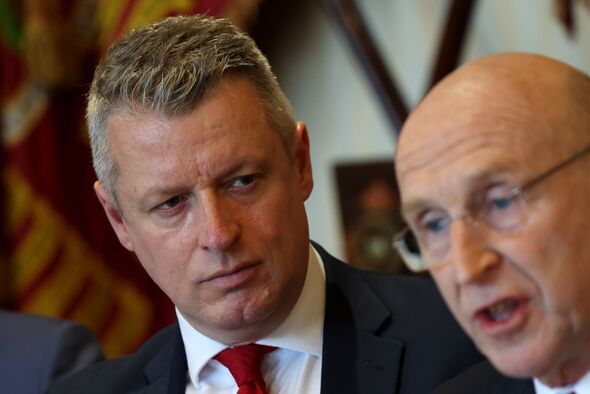
On Tuesday, Minister for Defence Readiness Luke Pollard said an investigation found "a combination of factors" was likely to have caused the symptoms reported by soldiers, including technical issues, variability in training and experience, cold exposure and air quality in the Ajax.
It comes on the back of Lieutenant General Anna-Lee Reilly saying last month that the Army's investigation team reported that when Ajax is operated as designed it presents no safety concerns - effectively blaming the soldiers for not using it properly and shielding others from a share of responsibility.
Yesterday, Pollard added: "I have now agreed to restart the acceptance of vehicles from (manufacturer) General Dynamics. However, I accept that the experience for our soldiers using Ajax has not been good enough and that is not acceptable.
"I have implemented strict new controls on the reintroduction of the Ajax vehicles that are focused on providing a significantly improved user experience.
"We have been engaging extensively and directly with our soldiers throughout this process - their experiences matter and they are shaping much of what we do next.
"As a result, we are considering a phased approach to restarting the Ajax programme."
That might seem sensible, but it left me with nothing but concern.
Firstly, it feels like a stop gap, a means of delaying that difficult decision for as long as feasibly possible by waffling on about control measures and phases. Is anybody really confident that the Ajax programme can be salvaged at a reasonable cost and provide the modern capability it would have done had it arrived on schedule in 2017?
Secondly, while we continue to throw good money after bad, we are not throwing good money on drones, counter-UAS systems, recruitment, AI and all the other novel equipment that will proliferate across the battlefields of the next decade. We are wasting time when time is really not a luxury in our possession.
But most importantly, we are potentially exposing soldiers to unnecessary risk in the name of avoiding difficult political decisions. Too many soldiers have been harmed and had their careers jeopardised at the hands of others.
Having worked in army procurement during my time in service, I know first hand that senior leaders "massaged" the truth on the issues plaguing the programme because of pressure from above.
I have no trust that that culture has been fixed and fear that once more, the pursuit of Ajax will leave low ranking men and women tasked with operating within it in danger of suffering serious harm.
-
Bank Holidays in May 2026: Check Full RBI List and Plan Your Banking Work in Advance

-
Gold Prices Slip Again: 18K to 24K Rates Fall Across India, Silver Also Declines

-
Silver Prices Ease Again on April 29: Check Latest Rates in Delhi, UP, Bihar and Other Cities

-
Platinum Prices Drop on April 29: Check Latest 10 Gram Rate Across Major Indian Cities

-
Build a Strong Investment Portfolio in FY 2026: 7 Smart Strategies to Handle Market Volatility