
Listen to this article in summarized format
Loading...
××
Subscribe to

Unlock AI Briefing and Premium Content
New Year Offer 24 Hours Left
Subscribe NowAlready a member? Sign In
What's Included
- Exclusive Stories
- Daily ePaper Access
- Smart Market Tools
- Curated Investment Ideas
- Ad-lite Experience
Subscription

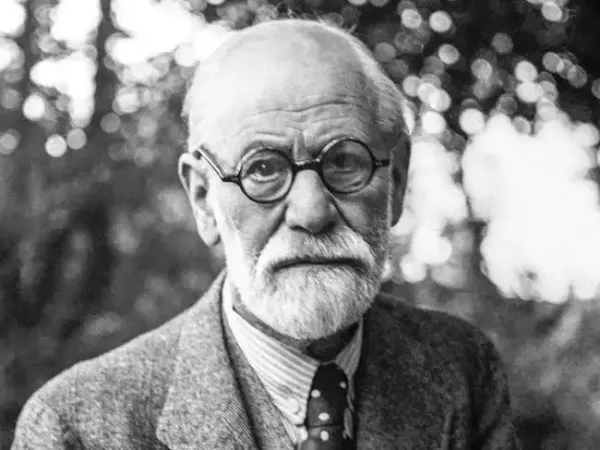
In this world, where opinions are loud and understanding is often shallow, old philosophical thoughts still find a way to feel relevant. One such reflection comes from Sigmund Freud, the Austrian neurologist and founder of psychoanalysis, whose work changed how we look at the human mind. Freud spent his life studying thoughts that people hide even from themselves, and in that context, some of his reflections still get quoted widely today. One of them speaks directly about isolation, perception, and how being misunderstood can sometimes sharpen a person’s understanding of life.
The quote of the day goes: “A person who is never understood by the world, understands the world better than anyone.”
This line is often linked to Freud’s thinking about the human psyche, especially his belief that most people do not fully express their inner truth. Instead, they filter themselves constantly, adjusting to society, expectations, and fear of judgment. In that process, Freud believed, people lose touch with real clarity about themselves and others.
The meaning behind this quote is fairly simple but also a bit uncomfortable. It suggests that when a person is not understood by others, it is not always a weakness. It can also mean that the person is observing things more deeply than the rest. They are not rushing to fit in or agree, so they end up seeing patterns others ignore.
In another sense, Freud’s idea points toward emotional distance. A person who feels misunderstood often starts watching people more carefully. They begin noticing contradictions, hidden motives, and behaviour that most people overlook. This slow observation builds a kind of understanding that is less emotional and more analytical.
He believed that much of human behaviour is controlled by the unconscious mind, a part of us that stores repressed memories, desires, and fears. According to him, people often do not truly know why they act the way they do. Even when they explain their actions, the real reasons may lie deeper and hidden.
Freud’s work introduced ideas like the id, ego, and superego, which explain how internal conflicts shape personality. He also explored childhood experiences, dreams, and slips of speech as ways to understand hidden thoughts. His theories were controversial in his time, but they still influenced psychology, literature, and cultural thinking across the world.
When someone is constantly trying to be understood, they may focus more on approval. But when that does not happen, attention shifts. The mind starts observing instead of reacting. This shift is what leads to deeper analysis of human behaviour, even if it comes from a place of discomfort.
Freud often believed that people are not fully honest with themselves. If that is the case, then someone who feels detached from common understanding may actually be closer to seeing those hidden layers in others. It is not about being superior, but about being less influenced by surface-level agreement.
Because of this hidden layer, people often misunderstand not just others, but also themselves. Emotions, fears, and past experiences quietly shape decisions. So when someone feels “not understood,” Freud might argue that it is partly because communication itself is limited by unconscious factors.
In that sense, understanding the world deeply is not just about intelligence. It is about noticing what is not being said. A person who is more aware of hidden motivations may feel disconnected from others who are only reacting to surface behaviour.
This does not always mean they are correct, but it does mean their thinking becomes less influenced by group behaviour. Over time, this can lead to a sharper, sometimes even uncomfortable clarity about human nature.
At the same time, Freud also warned that self-deception is strong. People can misread themselves just as easily as they misread others. So while isolation may deepen thinking, it can also distort it if not balanced with reality checks.
The quote of the day goes: “A person who is never understood by the world, understands the world better than anyone.”
This line is often linked to Freud’s thinking about the human psyche, especially his belief that most people do not fully express their inner truth. Instead, they filter themselves constantly, adjusting to society, expectations, and fear of judgment. In that process, Freud believed, people lose touch with real clarity about themselves and others.
The meaning behind this quote is fairly simple but also a bit uncomfortable. It suggests that when a person is not understood by others, it is not always a weakness. It can also mean that the person is observing things more deeply than the rest. They are not rushing to fit in or agree, so they end up seeing patterns others ignore.
In another sense, Freud’s idea points toward emotional distance. A person who feels misunderstood often starts watching people more carefully. They begin noticing contradictions, hidden motives, and behaviour that most people overlook. This slow observation builds a kind of understanding that is less emotional and more analytical.
Sigmund Freud and His World of the Mind
Sigmund Freud, born in 1856, is known as the father of psychoanalysis. He was trained as a neurologist, but his interest slowly moved toward understanding why humans behave the way they do. Instead of focusing only on physical causes of illness, Freud tried to dig into hidden mental processes.He believed that much of human behaviour is controlled by the unconscious mind, a part of us that stores repressed memories, desires, and fears. According to him, people often do not truly know why they act the way they do. Even when they explain their actions, the real reasons may lie deeper and hidden.
Freud’s work introduced ideas like the id, ego, and superego, which explain how internal conflicts shape personality. He also explored childhood experiences, dreams, and slips of speech as ways to understand hidden thoughts. His theories were controversial in his time, but they still influenced psychology, literature, and cultural thinking across the world.
Being Misunderstood
The idea of being misunderstood is not new, but Freud’s angle makes it slightly different. He did not treat misunderstanding only as social rejection. Instead, it can also be seen as a position where a person is slightly outside normal social flow, watching things from a distance.When someone is constantly trying to be understood, they may focus more on approval. But when that does not happen, attention shifts. The mind starts observing instead of reacting. This shift is what leads to deeper analysis of human behaviour, even if it comes from a place of discomfort.
Freud often believed that people are not fully honest with themselves. If that is the case, then someone who feels detached from common understanding may actually be closer to seeing those hidden layers in others. It is not about being superior, but about being less influenced by surface-level agreement.
The Role of the Unconscious Mind
Freud’s theory of the unconscious mind also connects closely with this quote of the day. He believed that a large part of human thought is hidden below awareness, like an iceberg where only a small part is visible.Because of this hidden layer, people often misunderstand not just others, but also themselves. Emotions, fears, and past experiences quietly shape decisions. So when someone feels “not understood,” Freud might argue that it is partly because communication itself is limited by unconscious factors.
In that sense, understanding the world deeply is not just about intelligence. It is about noticing what is not being said. A person who is more aware of hidden motivations may feel disconnected from others who are only reacting to surface behaviour.
Why Isolation Can Change Perception
Freud’s work often suggests that isolation, whether emotional or social, changes how a person processes the world. When someone is not constantly validated by others, they may start forming independent interpretations.This does not always mean they are correct, but it does mean their thinking becomes less influenced by group behaviour. Over time, this can lead to a sharper, sometimes even uncomfortable clarity about human nature.
At the same time, Freud also warned that self-deception is strong. People can misread themselves just as easily as they misread others. So while isolation may deepen thinking, it can also distort it if not balanced with reality checks.