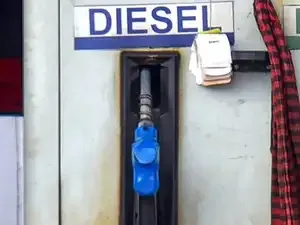
New Delhi: Oil marketing companies have seen a 30-50% slide in diesel sales to bulk customers as many large buyers have switched to retail pumps, where fuel is about ₹50 per litre cheaper, according to people familiar with the matter.
Companies have raised diesel rates for large buyers-such as defence, railways, manufacturers, miners, road builders and fishing associations-to align them with global prices after the Iran war triggered a supply and price shock in oil markets.
Also Read | No plan to raise petrol and diesel prices from May 1, says govt
State transport corporations, however, have been exempted. Retail prices of regular diesel have not been increased, with the result that companies continue to incur losses on every litre sold at the pump. The shift of bulk customers to retail outlets is effectively extending these losses to the volumes that were earlier sold at higher institutional rates.
In Delhi, diesel for bulk customers costs about ₹134.5 per litre compared with the retail price of ₹87.6, a gap of ₹47. In Vizag, the bulk price is ₹148.5 per litre versus ₹96.4 at the pump, a difference of ₹52. Bulk prices vary across states due to local taxes and also differ by customer depending on discounts offered by oil companies, though such discounts have largely disappeared of late.
Also Read | West Asia crisis drives up fuel losses for OMCs: ICRA
The gap between retail and bulk prices is too large for many customers to ignore, as lower energy costs can directly boost margins, said a person familiar with the matter. Major buyers such as defence, railways and large companies continue to source through institutional channels despite higher prices.
The shift of bulk customers to retail outlets is effectively extending these losses to the volumes that were earlier sold at higher institutional rates.
In Delhi, diesel for bulk customers costs about ₹134.5 per litre compared with the retail price of ₹87.6, a gap of ₹47. In Vizag, the bulk price is ₹148.5 per litre versus ₹96.4 at the pump, a difference of ₹52. Bulk prices vary across states due to local taxes and also differ by customer depending on discounts offered by oil companies, though such discounts have largely disappeared of late.
The gap between retail and bulk prices is too large for many customers to ignore, as lower energy costs can directly boost margins, said a person familiar with the matter. Major buyers such as defence, railways and large companies continue to source through institutional channels despite higher prices. Others, including small manufacturers, mining and road contractors, and fishing associations, are increasingly turning to retail pumps in many places, he added.
Bulk sales account for about 12% of India’s diesel consumption, and the shift by bulk users to retail outlets is also contributing to increased pump sales. Retail consumers have already resorted to panic buying of petrol and diesel in some areas ahead of an expected price hike, even as the government has sought to allay such apprehensions.
Similar shift during Ukraine war
A similar shift occurred in 2022 after the outbreak of the Ukraine war, which unsettled the oil market, when bulk customers moved to retail outlets as pump prices remained cheaper than bulk rates, sharply eroding the share of bulk business. In normal times, bulk buyers get a discount of a few rupees over retail prices, but in 2022, as now, the price gap favoured retail sales.
Oil marketing companies’ market share in bulk business tends to fluctuate based on the discounts they offer relative to competitors. At present, given elevated global diesel prices and crude procurement costs, companies appear more willing to cede market share than offer discounts to retain customers.
Companies have raised diesel rates for large buyers-such as defence, railways, manufacturers, miners, road builders and fishing associations-to align them with global prices after the Iran war triggered a supply and price shock in oil markets.
Also Read | No plan to raise petrol and diesel prices from May 1, says govt
State transport corporations, however, have been exempted. Retail prices of regular diesel have not been increased, with the result that companies continue to incur losses on every litre sold at the pump. The shift of bulk customers to retail outlets is effectively extending these losses to the volumes that were earlier sold at higher institutional rates.
In Delhi, diesel for bulk customers costs about ₹134.5 per litre compared with the retail price of ₹87.6, a gap of ₹47. In Vizag, the bulk price is ₹148.5 per litre versus ₹96.4 at the pump, a difference of ₹52. Bulk prices vary across states due to local taxes and also differ by customer depending on discounts offered by oil companies, though such discounts have largely disappeared of late.
Also Read | West Asia crisis drives up fuel losses for OMCs: ICRA
The gap between retail and bulk prices is too large for many customers to ignore, as lower energy costs can directly boost margins, said a person familiar with the matter. Major buyers such as defence, railways and large companies continue to source through institutional channels despite higher prices.
Nearly no discounts
Retail prices of regular diesel have not been increased, with the result that companies continue to incur losses on every litre sold at the pump.The shift of bulk customers to retail outlets is effectively extending these losses to the volumes that were earlier sold at higher institutional rates.
In Delhi, diesel for bulk customers costs about ₹134.5 per litre compared with the retail price of ₹87.6, a gap of ₹47. In Vizag, the bulk price is ₹148.5 per litre versus ₹96.4 at the pump, a difference of ₹52. Bulk prices vary across states due to local taxes and also differ by customer depending on discounts offered by oil companies, though such discounts have largely disappeared of late.
The gap between retail and bulk prices is too large for many customers to ignore, as lower energy costs can directly boost margins, said a person familiar with the matter. Major buyers such as defence, railways and large companies continue to source through institutional channels despite higher prices. Others, including small manufacturers, mining and road contractors, and fishing associations, are increasingly turning to retail pumps in many places, he added.
Bulk sales account for about 12% of India’s diesel consumption, and the shift by bulk users to retail outlets is also contributing to increased pump sales. Retail consumers have already resorted to panic buying of petrol and diesel in some areas ahead of an expected price hike, even as the government has sought to allay such apprehensions.
Similar shift during Ukraine war
A similar shift occurred in 2022 after the outbreak of the Ukraine war, which unsettled the oil market, when bulk customers moved to retail outlets as pump prices remained cheaper than bulk rates, sharply eroding the share of bulk business. In normal times, bulk buyers get a discount of a few rupees over retail prices, but in 2022, as now, the price gap favoured retail sales.
Oil marketing companies’ market share in bulk business tends to fluctuate based on the discounts they offer relative to competitors. At present, given elevated global diesel prices and crude procurement costs, companies appear more willing to cede market share than offer discounts to retain customers.