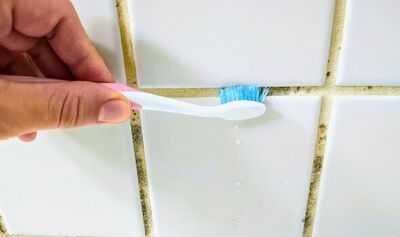
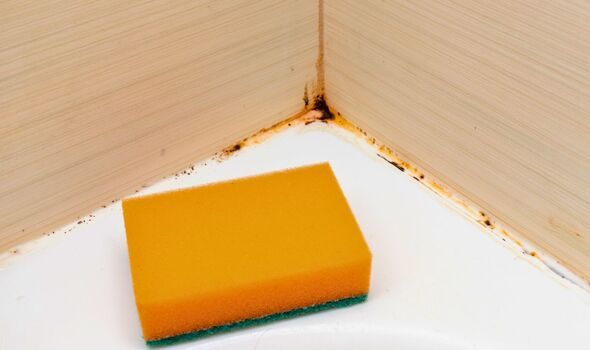
Cleaning shower tiles can be annoying, but it is one of the most important chores in a home because once mould starts creeping into the grout, it can be quite difficult to remove. Shower grout is the line gaps between tiles in a bathroom, often made of a concrete mixture, and this material can be quite porous, allowing moisture to build up inside it.
If you do not clean these lines regularly, then you will often see black spots around your shower as dirt and soap become trapped in the grout and then quickly become mouldy. Mould around a shower not only looks awful, but it can also cause a musty smell in bathrooms and will not budge, no matter how much you scrub at it. However, Leslie, a cleaner and founder of Lemon Grove Lane, is warning people not to try removing this mould with bleach, as you will have better results with non-toxic products.
Leslie explained: "Bleach can discolour or strip colour away. That said, if you are using it to clean colored grout, it will likely fade the colour or make the colour uneven or remove it altogether. Bleach erodes, so it can also weaken the grout causing it to crack and crumble."
Many people try to clean grout with bleach as it is known to kill surface mould and whiten the lines, but it cannot penetrate enough into the grout to get rid of it completely.
Mould already in the grout will survive, and since bleach is a water-based substance, the spores will feed on the moisture as it begins to regrow.
Not only is mould ineffective, but it tends to cause a lot of damage to grout the more you use it, which often leads to it looking yellow or stripping it off your bathroom tiles completely.
Instead, it is better to use baking soda, which can penetrate deep into the grout, and hydrogen peroxide, a milder alternative to bleach, often used as a disinfectant that is known to remove mould.
 How to deep clean showers without using bleach
You will need:
- 120ml of baking powder
- 60ml of hydrogen peroxide
- 10ml of Castile soup
What is fantastic about hydrogen peroxide is that it breaks spores apart and damages the proteins they need to survive, completely stopping mould from spreading in a bathroom.
Castile soap will break down oils and greasy substances like soap to help lift dirt out of the grout and get rid of those black spots in a shower.
Baking soda is abrasive, and when scrubbed into grout, it helps the solution penetrate deep into the grout to properly clean it, so the mould will not come back.
Method:
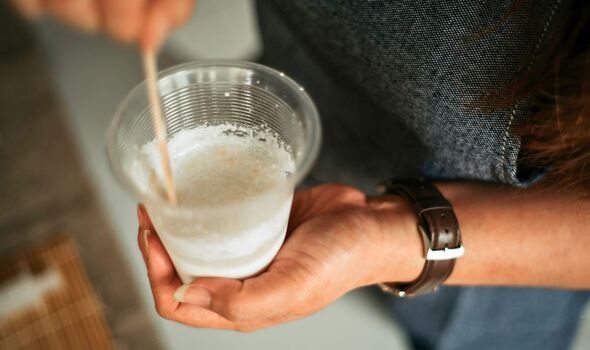
To begin, mix the hydrogen peroxide and baking soda in a bowl, then add the Castile soap. Stir the mixture until it forms a paste, and then it is ready to use.
Spread the paste between the tiles on the shower floors and walls. Next, leave it alone for 10 minutes to give the solution time to break down the mould.
When the time is up, simply use a hard-bristle brush to scrub the grout, and any stains should lift out with little effort.
Rinse the tiles down, buff them with a clean cloth to dry them, and your shower should now be sparkling clean without bleach.
-
Numerology Number 3 Prediction Today, April 30, 2026: Number 3 individuals will see their wishes fulfilled and gain strong support

-
Career Horoscope Today, April 30, 2026: Gemini Will Act Swiftly in Business Matters; Check What Awaits Other Zodiac Signs

-
Financial Horoscope Today, April 30, 2026: Leo Signs Will Receive Support in Wealth Accumulation, Know the Predictions for Other Signs

-
Afghan man convicted in Kabul airport bombing conspiracy

-
Trump says Iran ‘choking like a stuffed pig’, won’t lift Hormuz blockade