
Listen to this article in summarized format
Loading...
××
Subscribe to

Unlock AI Briefing and Premium Content
New Year Offer 24 Hours Left
Subscribe NowAlready a member? Sign In
What's Included
- Exclusive Stories
- Daily ePaper Access
- Smart Market Tools
- Curated Investment Ideas
- Ad-lite Experience
Subscription

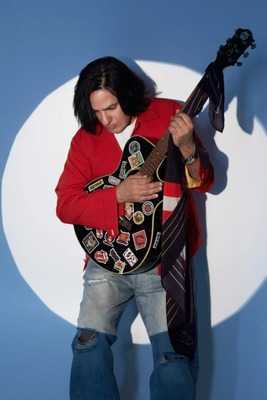
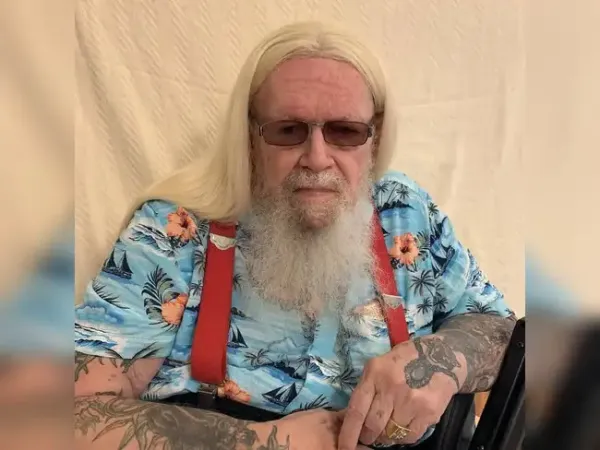
Legendary American country singer-songwriter David Allan Coe has died at the age of 86, his representative confirmed on April 29, 2026, marking the end of a career that spanned nearly six decades and left an indelible mark on country music’s outlaw movement. Coe passed away in intensive care at approximately 5 p.m. Eastern Time, following a period of declining health, reported The Music Universe.
Famously nicknamed The Mysterious Rhinestone Cowboy, Coe is survived by his wife, Kimberly Hastings Coe.
Born September 6, 1939, in Akron, Ohio, David Allan Coe grew up in extremely difficult circumstances. He was sent to reform school at age nine and spent much of the next two decades in and out of correctional facilities, including a stint at the Ohio State Penitentiary.
Coe later claimed to have been on death row for murder, though later research suggests this was likely an exaggeration; records show he served time for various felonies but not homicide.
After his final release in 1967, Coe headed to Nashville, reportedly living in a hearse parked outside the Grand Ole Opry.
Coe became a central figure in the 1970s outlaw country movement, an artistically rebellious strain of country that emphasized independence from the polished Nashville sound.
His early stardom was fueled by recordings like “You Never Even Called Me by My Name” (1975), which reached the Top 10 on the country charts, and his fifth studio album Longhaired Redneck (1976), which reflected the countercultural tensions of the time.
His composition “Would You Lay With Me (In a Field of Stone)” became a number-one single for Tanya Tucker in 1973, and Johnny Paycheck’s recording of Coe’s “Take This Job and Shove It” topped the charts in 1977 and became a cultural anthem of blue-collar frustration.
His later career saw further chart success, including his ballad “Mona Lisa Lost Her Smile,” which peaked at number 2 in 1984, his highest solo chart position.
Despite his influence, Coe’s career was often overshadowed by controversy. His music sometimes contained sexually explicit or profane material, and he released Underground recordings in the late 1970s and early 1980s that were widely criticized for offensive lyrics.
Coe defended his work as humor or artistic expression.
In his later years, Coe dealt with various health challenges and legal issues, including facing bankruptcy in early 2000s, and in 2015 he pleaded guilty to impeding the agency after authorities said he owed nearly $1 million in back taxes, reported Art Threat.
His son, Tyler Coe, is a musician and podcaster known for co-hosting the country music history podcast Cocaine & Rhinestones, where he frequently discusses his father’s legacy with candor and nuance.
His daughter, Tanya Coe, also pursues a career as a country singer.
Famously nicknamed The Mysterious Rhinestone Cowboy, Coe is survived by his wife, Kimberly Hastings Coe.
Born September 6, 1939, in Akron, Ohio, David Allan Coe grew up in extremely difficult circumstances. He was sent to reform school at age nine and spent much of the next two decades in and out of correctional facilities, including a stint at the Ohio State Penitentiary.
Coe later claimed to have been on death row for murder, though later research suggests this was likely an exaggeration; records show he served time for various felonies but not homicide.
After his final release in 1967, Coe headed to Nashville, reportedly living in a hearse parked outside the Grand Ole Opry.
Coe became a central figure in the 1970s outlaw country movement, an artistically rebellious strain of country that emphasized independence from the polished Nashville sound.
His early stardom was fueled by recordings like “You Never Even Called Me by My Name” (1975), which reached the Top 10 on the country charts, and his fifth studio album Longhaired Redneck (1976), which reflected the countercultural tensions of the time.
His composition “Would You Lay With Me (In a Field of Stone)” became a number-one single for Tanya Tucker in 1973, and Johnny Paycheck’s recording of Coe’s “Take This Job and Shove It” topped the charts in 1977 and became a cultural anthem of blue-collar frustration.
His later career saw further chart success, including his ballad “Mona Lisa Lost Her Smile,” which peaked at number 2 in 1984, his highest solo chart position.
Despite his influence, Coe’s career was often overshadowed by controversy. His music sometimes contained sexually explicit or profane material, and he released Underground recordings in the late 1970s and early 1980s that were widely criticized for offensive lyrics.
Coe defended his work as humor or artistic expression.
In his later years, Coe dealt with various health challenges and legal issues, including facing bankruptcy in early 2000s, and in 2015 he pleaded guilty to impeding the agency after authorities said he owed nearly $1 million in back taxes, reported Art Threat.
His son, Tyler Coe, is a musician and podcaster known for co-hosting the country music history podcast Cocaine & Rhinestones, where he frequently discusses his father’s legacy with candor and nuance.
His daughter, Tanya Coe, also pursues a career as a country singer.