Inside Rabindra Sarovar's musical mornings
ETimes | April 30, 2026 7:39 PM CST
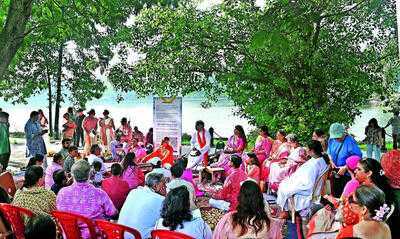
At Rabindra Sarovar , Sunday mornings don’t feel like the rest of the week. The air is cooler, carrying the smell of wet grass, and the lake holds that brief, quiet stillness before the day fully sets in. People move through as they always do- walking, stretching, settling into their routines, but in one corner, something else takes shape. A loose circle, no announcements, no stage. Someone begins to sing, another joins in, a few gather closer. There’s no clear start, no fixed audience, just a group of people, some familiar, many not, finding their way into the same rhythm.
A theme of change, carried through song
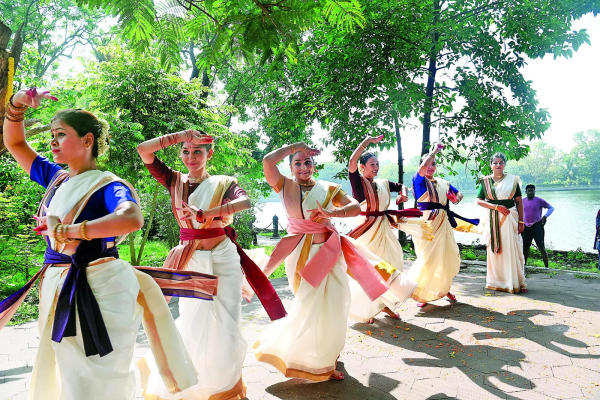
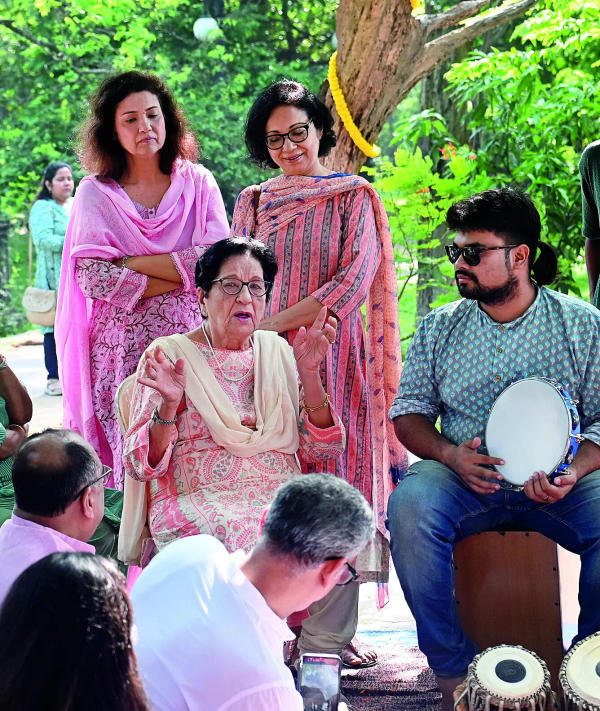
This Sunday carried the spirit of Boishakhi, not just as a marker of the Bengali New Year , but as a reflection on change, memory, and renewal. “Boishakh is often seen as a time of joy and new beginnings,” says Dr Kallol Banerjee. “But it is also deeply tied to our history, from the uprising of 1857 to the Jallianwala Bagh massacre, from the Chittagong armoury raid to Gandhi’s Salt March. It reminds us of both celebration and sacrifice.” That layered meaning echoed through the morning’s performances. From Rabindra Sangeet to thumri, from Bharatanatyam to Rabindra Nritya, the programme moved fluidly across forms, mirroring the seasonal shifts Boishakh represents. As Dr Banerjee reflects, the transition from spring’s colours to summer’s whites, from cool breezes to warmer winds, from green fields to golden harvests, becomes a metaphor for life itself. What stood out, however, was not just the theme but its participants. “Even an 85-year-old woman travelled all the way from Meerut to perform here,” he notes, proof that the pull of this gathering extends far beyond the city.
Where strangers turn into a shared rhythm
If music is the surface, the real story is the quiet building of community. “For anyone new, it feels like a warm hug,” says chef Mrinalinee Majumder. “We all come from different professions and routines, but meet on the same ground.” That inclusivity shows in its age span, from teenagers like to regulars nearing 80. “People often ask who wakes up at 6:30 on a Sunday,” she adds. “But when you come here, you understand why.” For many, it’s more than a ritual. “We have been able to find a cure for isolation here,” says Dr Swapan Saren. “In this beautiful environment, people forget their pain. From 18 to 90, everyone comes, participates, and leaves lighter.”What began as a small post-pandemic gathering has grown into something lasting. “We were all strangers once,” says Sukrit Sen. “Today, we are the closest of friends. It started with music, but now it’s about showing up, for ourselves and for each other.”At Rabindra Sarobar, what lingers isn’t just the music, but the feeling, a rare pause in a restless city, where you don’t have to know anyone to belong.
A theme of change, carried through song
This Sunday carried the spirit of Boishakhi, not just as a marker of the Bengali New Year , but as a reflection on change, memory, and renewal. “Boishakh is often seen as a time of joy and new beginnings,” says Dr Kallol Banerjee. “But it is also deeply tied to our history, from the uprising of 1857 to the Jallianwala Bagh massacre, from the Chittagong armoury raid to Gandhi’s Salt March. It reminds us of both celebration and sacrifice.” That layered meaning echoed through the morning’s performances. From Rabindra Sangeet to thumri, from Bharatanatyam to Rabindra Nritya, the programme moved fluidly across forms, mirroring the seasonal shifts Boishakh represents. As Dr Banerjee reflects, the transition from spring’s colours to summer’s whites, from cool breezes to warmer winds, from green fields to golden harvests, becomes a metaphor for life itself. What stood out, however, was not just the theme but its participants. “Even an 85-year-old woman travelled all the way from Meerut to perform here,” he notes, proof that the pull of this gathering extends far beyond the city.
Where strangers turn into a shared rhythm
If music is the surface, the real story is the quiet building of community. “For anyone new, it feels like a warm hug,” says chef Mrinalinee Majumder. “We all come from different professions and routines, but meet on the same ground.” That inclusivity shows in its age span, from teenagers like to regulars nearing 80. “People often ask who wakes up at 6:30 on a Sunday,” she adds. “But when you come here, you understand why.” For many, it’s more than a ritual. “We have been able to find a cure for isolation here,” says Dr Swapan Saren. “In this beautiful environment, people forget their pain. From 18 to 90, everyone comes, participates, and leaves lighter.”What began as a small post-pandemic gathering has grown into something lasting. “We were all strangers once,” says Sukrit Sen. “Today, we are the closest of friends. It started with music, but now it’s about showing up, for ourselves and for each other.”At Rabindra Sarobar, what lingers isn’t just the music, but the feeling, a rare pause in a restless city, where you don’t have to know anyone to belong.
READ NEXT
-
Is A Business Credit Card Right For You? 5 Signs

-
Hyderabad: Breeding syndicate suspected as abandoned Siberian Husky dogs rescued

-
Xavi Simons has sent Tottenham the perfect message as his injury recovery continues

-
Shocking Abduction and Assault Case in Meerut Involving a 13-Year-Old Girl

-
Noida Implements Section 163 of Civil Security Code Amidst Rising Tensions