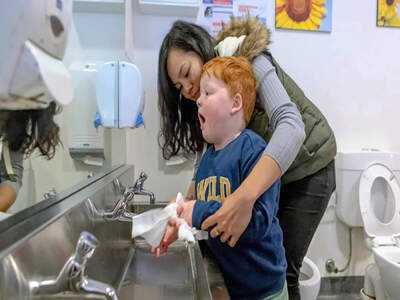
Children who find it easy to use the toilet at home may struggle to do so in school or unfamiliar settings. This reluctance can often be traced back to negative experiences in public restrooms, such as overcrowding, unpleasant odors, or unsanitary conditions.
As a result, these children may develop anxiety at the thought of using toilets outside their home environment. This article delves into the reasons behind this behavior, its potential effects, and strategies to help children overcome their fears.
Potential Causes of Toilet Anxiety
**Factors Contributing to Toilet Anxiety**
Several factors can contribute to a child's toilet anxiety, including:
- New or unfamiliar toilet settings
- Issues with constipation
- Wearing clothes that are not familiar
- Fear of toilet water splashing
- Fear of falling into the toilet
- Transitioning to a new school or inadequate potty training
- Bullying or teasing from peers
- Difficulty adapting to new environments
- Past traumatic experiences
- Underlying health conditions
- Disorders such as Autism or ADHD
Additional Contributing Factors
**Other Influences**
Other elements that may exacerbate toilet anxiety include:
- Harsh lighting in the restroom
- Loud noises, like flushing toilets or running water
- Anxiety about touching the toilet seat or having clothing come into contact with the floor
- Strong scents from cleaning products or air fresheners
Effects of Toilet Anxiety
**Consequences of Toilet Anxiety**
Toilet anxiety can lead to various physical and emotional issues, such as:
- Nausea or stomach pain from holding in urine or stool
- Rapid breathing
- Asthma symptoms in susceptible children
- Headaches
- Accidental wetting or soiling
- Panic attacks
- Feeling cold or shivery
- Sleep disturbances or nightmares
- Increased irritability
Supporting Children with Toilet Anxiety
**Ways to Help**
To assist children in overcoming toilet anxiety, consider the following approaches:
- Recognize the child's anxiety and try to understand its root cause
- Have their bowel and bladder health assessed by a medical professional
- Teach practical skills to boost their confidence, such as effective hand-washing and clothing management
- Establish a consistent routine
- Provide distractions when necessary
- Engage in open discussions about their fears
- Offer training on using toilets in various locations
Conclusion
By understanding the causes and effects of toilet anxiety, parents and caregivers can better support children in overcoming their fears and developing healthy bathroom habits.
-
Ladies! Cervix-related symptoms can be life-threatening, experts advise to see a doctor immediately

-
Smart lighting project on the streets of Gurugram

-
Wedding extravaganza shut down busy Fifth Avenue — and featured hundreds of guests, its own off-Broadway musical

-
Disaster alert on mobile! Don’t panic after seeing the message… Government is testing the new system

-
Now the tension of finding wardrobe is over, new AI feature of Google Photos, try wearing clothes sitting at home