
Listen to this article in summarized format
Loading...
××
Subscribe to

Unlock AI Briefing and Premium Content
New Year Offer 24 Hours Left
Subscribe NowAlready a member? Sign In
What's Included
- Exclusive Stories
- Daily ePaper Access
- Smart Market Tools
- Curated Investment Ideas
- Ad-lite Experience
Subscription

Old sayings often carry meanings that go beyond what they appear to say at first glance. Many of them come from traditions where philosophy was not written in heavy language but in simple images and comparisons. One such proverb, linked to the Taoist thinker Zhuang Zhou, is discussed even now for the way it looks at usefulness and freedom in life.
The Chinese proverb of the day goes: "A straight tree is cut down for lumber, while the twisted tree lives on, untouched and free."
On the other side, a crooked or twisted tree does not fit those needs. It is seen as having no practical use, so it is left alone. Because of that, it survives longer and continues to exist in its natural state.
This contrast is not really about trees. It is about people and how society often decides what is useful and what is not.
The proverb suggests that being seen as “perfect” or highly capable can come with a cost. People who meet expectations easily often get more responsibilities. They are relied on more, and sometimes that leads to being overused or even exploited.
In a way, the “straight tree” becomes a symbol for those who fit neatly into systems. They are productive, efficient, and dependable. But because of that, they may lose control over their own time and choices.
The “twisted tree,” on the other hand, represents those who do not fully conform. They may not be the first choice in structured systems, but they avoid constant pressure. Their difference becomes a kind of protection.
Concepts like the Tao, which refers to the natural path of the universe, and Wu Wei, often understood as effortless action, suggest that people should not constantly push themselves to meet artificial standards. Instead, they should move with life as it comes.
The proverb reflects that same approach. It quietly questions whether constant usefulness and perfection are really worth the price people pay for them.
Much of what is known about him comes from a text named after him, the Zhuangzi. This work is made up of stories, short reflections, and conversations that often carry deeper philosophical meanings. His style was not rigid or systematic. Instead, he used humor, paradox, and simple examples to make people think.
There is limited historical detail about his personal life, but accounts suggest he preferred a simple and independent way of living. He is also said to have turned down official positions because he did not want to be tied down by power or responsibility.
At the same time, those who do not follow the same path may appear less successful in a traditional sense, but they often have more control over their lives.
The proverb does not clearly say one way is better than the other. Instead, it leaves a question hanging: what matters more, being useful to others or being free in your own way.
The Chinese proverb of the day goes: "A straight tree is cut down for lumber, while the twisted tree lives on, untouched and free."
Understanding the Core Idea
At a basic level, the proverb uses a very everyday example. A straight tree is valuable because it can be used for building. That value becomes the reason for its destruction. It gets cut down, shaped, and used for someone else’s purpose.On the other side, a crooked or twisted tree does not fit those needs. It is seen as having no practical use, so it is left alone. Because of that, it survives longer and continues to exist in its natural state.
This contrast is not really about trees. It is about people and how society often decides what is useful and what is not.
The proverb suggests that being seen as “perfect” or highly capable can come with a cost. People who meet expectations easily often get more responsibilities. They are relied on more, and sometimes that leads to being overused or even exploited.
In a way, the “straight tree” becomes a symbol for those who fit neatly into systems. They are productive, efficient, and dependable. But because of that, they may lose control over their own time and choices.
The “twisted tree,” on the other hand, represents those who do not fully conform. They may not be the first choice in structured systems, but they avoid constant pressure. Their difference becomes a kind of protection.
Link to Taoist Thought
This idea fits closely with the broader thinking of Taoism. Taoism speaks about living in a way that follows the natural flow of life rather than forcing things.Concepts like the Tao, which refers to the natural path of the universe, and Wu Wei, often understood as effortless action, suggest that people should not constantly push themselves to meet artificial standards. Instead, they should move with life as it comes.
The proverb reflects that same approach. It quietly questions whether constant usefulness and perfection are really worth the price people pay for them.
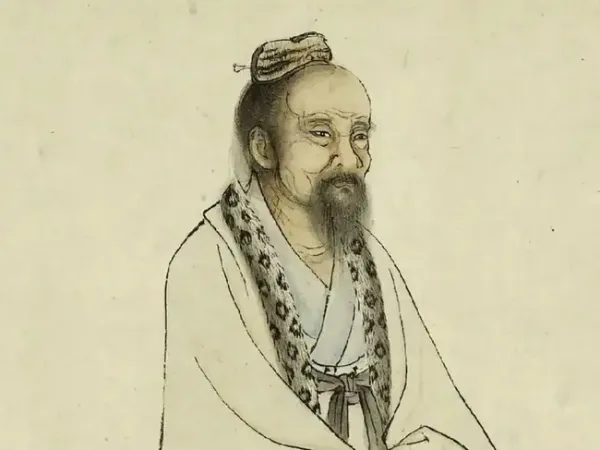
Who Was Zhuang Zhou
Zhuang Zhou lived during the Warring States period in ancient China, a time when many schools of thought were developing. He is considered one of the key figures in Taoist philosophy, alongside Lao Tzu.Much of what is known about him comes from a text named after him, the Zhuangzi. This work is made up of stories, short reflections, and conversations that often carry deeper philosophical meanings. His style was not rigid or systematic. Instead, he used humor, paradox, and simple examples to make people think.
There is limited historical detail about his personal life, but accounts suggest he preferred a simple and independent way of living. He is also said to have turned down official positions because he did not want to be tied down by power or responsibility.
Why the Proverb Still Holds Up
Even today, the proverb feels familiar. In modern work culture, people who perform well are often given more tasks, more expectations, and less room to step back. Being reliable can slowly turn into being overburdened.At the same time, those who do not follow the same path may appear less successful in a traditional sense, but they often have more control over their lives.
The proverb does not clearly say one way is better than the other. Instead, it leaves a question hanging: what matters more, being useful to others or being free in your own way.