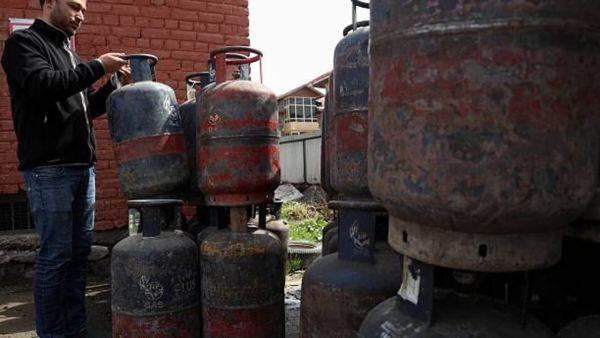
Effective May 1, 2026, India raised commercial LPG cylinder prices by ₹993 amid global energy tensions. The hike impacts 19-kg cylinders used by businesses like hotels and restaurants, which may increase their prices for consumers. This decision is driven by rising crude oil costs and financial pressure on oil companies.
India has announced a sharp increase in commercial LPG cylinder prices, raising the cost by ₹993 with effect from May 1, 2026, amid escalating global energy tensions linked to the Iran-US conflict. The hike applies specifically to 19-kg commercial cylinders used by hotels, restaurants, and small businesses, while domestic consumers have been spared any immediate impact.

Following the latest revision, the price of a 19-kg commercial LPG cylinder in Delhi has surged to ₹3,071.50, reflecting one of the steepest hikes in recent years. The increase comes against the backdrop of a global energy crisis, where crude oil prices have spiked sharply due to geopolitical instability in West Asia.
Despite the sharp rise in commercial fuel costs, the government has kept domestic LPG prices unchanged. A 14.2-kg household cylinder continues to cost ₹913 in Delhi, offering relief to millions of households already grappling with inflation. Petrol and diesel prices have also been left untouched, with authorities moving to curb speculation about broader fuel price hikes.
The price hike is part of a series of increases over the past two months. Since March 2026, commercial LPG rates have been revised multiple times, with cumulative increases reflecting the strain caused by disrupted global supply chains and rising import costs. India, which depends heavily on LPG imports, has been particularly vulnerable to supply disruptions as tensions around the Strait of Hormuz impact global fuel movement.
Oil marketing companies (OMCs) have been under mounting financial pressure due to rising crude oil prices, which have crossed $120 per barrel during the ongoing conflict. Reports suggest that these companies are facing significant under-recoveries—estimated at ₹380 per cylinder—and cumulative losses that could exceed ₹40,000 crore by the end of May. This financial stress has prompted calls for price revisions across fuels, particularly in the commercial segment.
The impact of the LPG price hike is expected to be felt most acutely in the hospitality and food services sector. Restaurants, cafes, and catering businesses that rely heavily on commercial cylinders are likely to see operating costs rise significantly. Industry experts warn that this could translate into higher menu prices for consumers in the coming weeks.
The government’s decision to shield domestic consumers while passing on costs to commercial users reflects a balancing act between controlling inflation and managing fiscal pressure. Analysts note that while households have been protected for now, prolonged global instability could eventually force broader price revisions.
In summary, the ₹993 hike in commercial LPG prices highlights the cascading impact of global geopolitical tensions on India’s energy market. While households remain insulated in the short term, businesses face rising costs that could ripple through the economy, potentially leading to higher prices for goods and services in the near future.
-
Virat Kohli Gets Angry, Argues With Umpire Over Controversial Rajat Patidar Dismissal in IPL 2026 Match vs GT; RCB Break Silence

-
WATCH | Virat Kohli Gets Taste of His Own Medicine as Kagiso Rabada Gives ex-RCB Captain Fiery Send-Off During IPL 2026 Match

-
WATCH | ANGRY Virat Kohli Pacified by Childhood Friend Ishant Sharma During GT-RCB IPL 2026 Match

-
Crude Oil Prices Surge On US-Iran War Stalemate; Brent Over $110 Per Barrel
-
'It Was Very Windy, Boat Was Shaking': Eyewitnesses Recall Jabalpur Cruise Tragedy