Across India and many parts of the world, May 1 is being observed as Labour Day, a day that recognises the contribution of workers and their role in shaping economies and societies. From factory floors to corporate offices, the occasion serves as a reminder of the rights, dignity, and value of labour.
Also Read: Buddha Purnima Status: 50+ wishes, quotes, messages for WhatsApp, Instagram and Facebook status
In recognition of this struggle, May 1 was later adopted as International Workers’ Day in many countries. Over time, it evolved into a symbol of workers’ unity and their ongoing fight for fair wages, safe working conditions, and reasonable working hours.
In India, the day — also known as Antarrashtriya Shramik Diwas — highlights the need to strengthen social security nets and recognise the contribution of both organised and unorganised workers.
In today’s fast-changing world, the meaning of Labour Day has expanded to include conversations around work-life balance, mental health, and fair opportunities in digital economies.
In a country like India, where millions contribute across diverse sectors every day, Labour Day is not just symbolic — it is essential.
Why is Labour Day celebrated on May 1?
The roots of Labour Day trace back to the late 19th century and the historic Haymarket Affair in Chicago. Workers had taken to the streets demanding an eight-hour workday, a demand that was far from standard at the time. The protest turned violent, but it marked a turning point in the global labour rights movement.Also Read: Buddha Purnima Status: 50+ wishes, quotes, messages for WhatsApp, Instagram and Facebook status
In recognition of this struggle, May 1 was later adopted as International Workers’ Day in many countries. Over time, it evolved into a symbol of workers’ unity and their ongoing fight for fair wages, safe working conditions, and reasonable working hours.
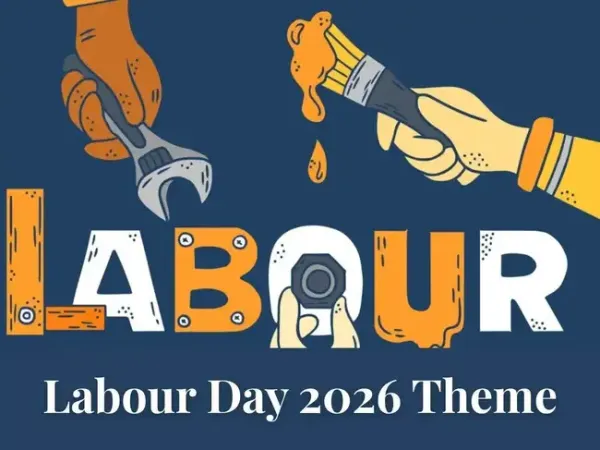
What is the Labour Day 2026 theme?
While themes may vary by country or organisation, Labour Day 2026 broadly centres on the idea of dignity of labour, inclusive growth, and workers’ well-being in a changing economy. With the rise of automation, gig work, and remote employment, the focus this year is also on adapting labour protections to modern workplaces.In India, the day — also known as Antarrashtriya Shramik Diwas — highlights the need to strengthen social security nets and recognise the contribution of both organised and unorganised workers.
What does the day mean today?
Labour Day is not just a public holiday. It reflects a deeper message:- It acknowledges the backbone of economic growth, the workforce
- It raises awareness about workers’ rights and protections
- It calls attention to challenges like job insecurity, wage gaps, and workplace safety
- It encourages respect for every form of work, regardless of sector or status
In today’s fast-changing world, the meaning of Labour Day has expanded to include conversations around work-life balance, mental health, and fair opportunities in digital economies.
Wishes and messages to share on Labour Day 2026
Here are some simple and meaningful wishes you can share with colleagues, friends, and family:- Happy Labour Day! Salute to every worker who builds our world with dedication and hard work.
- May your efforts always be valued and your rights always protected. Happy May Day!
- On this Labour Day, let us honour the spirit of hard work and perseverance.
- Wishing strength, respect, and success to every worker today and always.
- Your work matters. Your contribution counts. Happy Labour Day!
- Here’s to the hands that shape the future, Happy International Workers’ Day.
- May every worker find dignity, fairness, and opportunity in their journey.
- Labour Day reminds us that progress is powered by people. Celebrate the spirit of work!
In a country like India, where millions contribute across diverse sectors every day, Labour Day is not just symbolic — it is essential.