Ras Al Khaimah is best known for its big attractions — beachfront resorts, Jebel Jais, and large developments that draw most visitors. But beyond these, there’s another side to the emirate that’s quietly gaining attention.
Across RAK, a number of lesser-known spots are quietly shaping how people experience the destination. As travel preferences shift toward nature-led, low-density, and culturally rooted experiences, these hidden spots are becoming part of a broader repositioning of Ras Al Khaimah — one that highlights the contrast between coast and mountain, heritage and wilderness, stillness and adventure.
Here’s a closer look at some of the emirate’s most compelling lesser-known spots.
1. Shimal
Located at the foothills of the Hajar Mountains, Shimal Village is one of the UAE’s most significant archaeological sites and the largest pre-Islamic site in Ras Al Khaimah. The area is home to hundreds of tombs, some dating back over 4,000 years, including Umm an-Nar burial structures, alongside remnants of early settlements and fortifications.
The site is particularly important for understanding the Wadi Suq period (circa 2000–1600 BC), offering rare insight into how communities adapted, traded and evolved across shifting environmental and economic conditions. Spanning from the Bronze Age through to the Islamic era, Shimal presents a layered historical record — one that has also positioned it as a candidate for UNESCO World Heritage status.
2. Wadi Shah
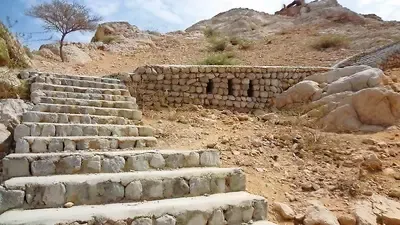
Set within the rugged folds of the Hajar Mountains near Jebel Jais, Wadi Shah stands out as one of the emirate’s more demanding and rewarding hiking routes. Unlike the more frequented wadis, this landscape feels deliberately untouched, shaped as much by history as by terrain.
Image courtesy: Visit Ras Al Khaimah
The trail itself follows ancient donkey paths once used by the local Shihuh tribe, cutting through steep mountain ridges and rocky wadi floors. For less experienced hikers, guided options — including organised treks through regional adventure operators provide a structured way to explore the area while navigating safely.
3. Al Jazirah Al Hamra
One of the most atmospheric places in the UAE, Al Jazirah Al Hamra offers a rare, preserved look at pre-oil life. Once a thriving pearl fishing settlement, the village was abandoned in the 1960s and remains largely intact today.
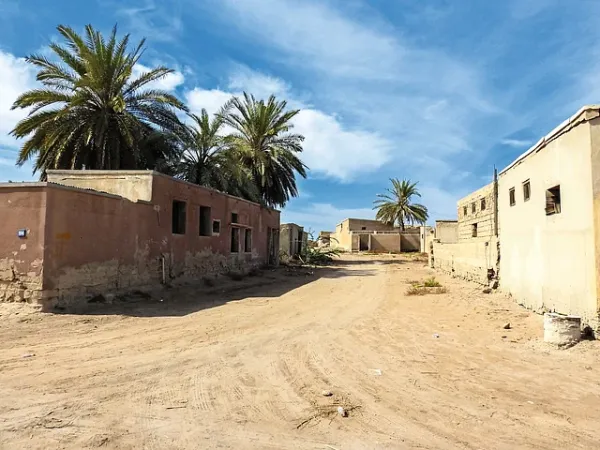
Al Jazirah Al Hamra, Ras al-Khaimah.
Walking through its narrow lanes reveals coral-stone houses, wind towers and mosques that speak to a time when the economy was shaped by the sea. Unlike restored heritage districts elsewhere in the UAE, Al Jazirah Al Hamra retains an untouched, almost cinematic stillness, making it as much an experiential site as a historical one.
4. Wadi Naqab
Wadi Naqab is one of Ras Al Khaimah’s most demanding and visually striking hiking destinations. Known for its dramatic canyon landscapes and remote terrain, the wadi attracts experienced hikers looking for long, immersive routes through the mountains.
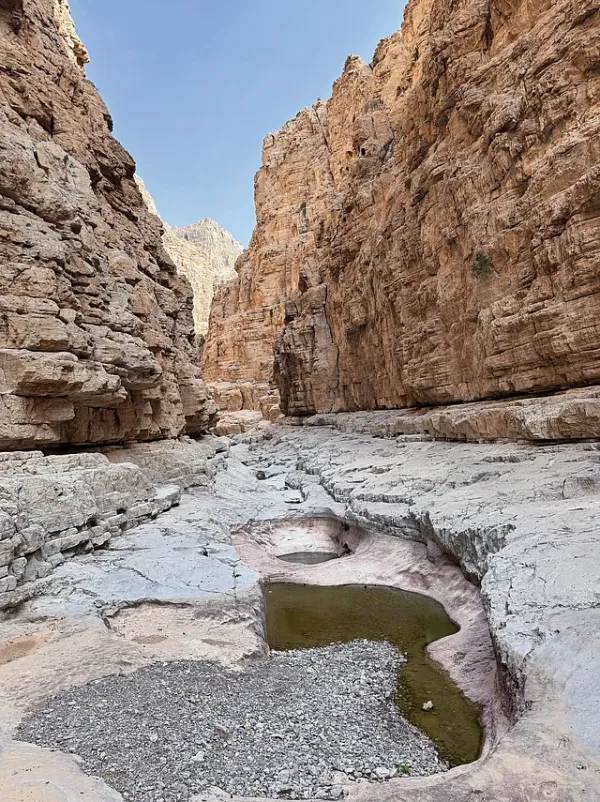
Wadi Naqab hiking trail, UAE, Ras Al Khaimah.
Among its standout trails is the six-hour Red Wall hike, while more advanced trekkers take on the longer, 12-hour route leading to the remote villages of Sheri and Baqal. Along the way, the terrain shifts between narrow gorges, boulder fields and elevated ridgelines, with remnants of ancient mountain houses still visible — offering a glimpse into earlier forms of settlement in the region. The route also features lesser-known highlights such as the so-called “Hidden Bat Cave,” adding to its exploratory appeal.
5. Wadi Ghalilah
Often referred to as the “Stairway to Heaven,” Wadi Ghalilah is one of the most demanding hikes in the UAE. The trail rises steeply through a dramatic, rocky valley, climbing along narrow mountain edges and ridgelines to elevations ranging between 1,500 and 1,800 metres.
The route is defined by sharp ascents, exposed paths and expansive views across the surrounding terrain, making it both physically and technically challenging. This is not a casual hike — it is best suited for experienced, fit hikers with a strong sense of navigation and comfort with heights.
6. Khatt Springs
Located in a quiet mountain village south of Ras Al Khaimah city, Khatt Springs offers one of the emirate’s most distinct wellness experiences. The natural springs are known for their mineral-rich, sulfurous waters, with temperatures reaching around 40°C, long associated with therapeutic benefits for skin, joints and muscle recovery.
Set against a backdrop of palm groves and low mountain ranges, the area combines a developed wellness spa with more rustic, natural surroundings.
7. Al Rams Mangroves
On the northern coast, Al Rams is home to a network of mangroves that provide a stark contrast to the emirate’s mountains. These calm waterways are best explored by kayak, offering close access to a thriving ecosystem.

Image courtesy: Visit Ras Al Khaimah.
Flamingos, herons and other bird species are commonly spotted here, making it one of the quieter but more ecologically rich experiences.
Tips for exploring RAK’s hidden gems
Getting Around: A 4x4 is recommended for mountain routes and remote areas, though some heritage sites and coastal spots are accessible by standard vehicles. Always check access conditions in advance.
Best Time to Visit: November to March offers the most comfortable weather. Outdoor sites — especially mountains and valleys are at their best after rainfall.
Dress & Gear: Wear comfortable clothing and proper footwear, particularly for uneven terrain, hiking trails or archaeological zones.
Respect Heritage & Nature: Avoid disturbing ruins, do not climb fragile structures, and keep natural areas clean. Many sites are historically and environmentally sensitive.
Know Your Limits: Some routes can be physically demanding. Assess difficulty levels and opt for guided experiences where needed.
Ras Al Khaimah turns natural assets into Gulf adventure tourism hub Hotel demand soars in RAK, set to outpace supply by next year RAK tourism targets 3.5m visitors by 2030 with sustainable growth push-
Do Children Have Rights Over Parents’ Property? Here’s What Indian Law Really Says

-
Which phone does Elon Musk use? This mobile phone was spotted in the hands of the world's richest person...

-
IIT Bhilai Recruitment 2026: Recruitment Announced for Non-Teaching Positions at IIT Bhilai—How to Apply?

-
JEE Main 2026: Now Pursue B.Tech After Class 10—DSEU Launches 6-Year Engineering Course; Get the Details Here..

-
MPPSC ADPO Recruitment 2026: The deadline for registration for the posts of Assistant District Prosecution Officer is approaching..