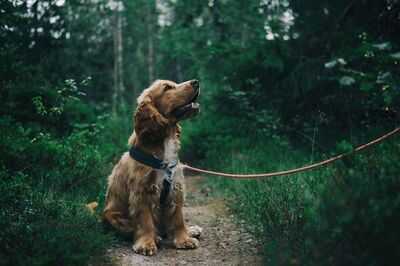

Dog owners throughout the UK are being urged to remain vigilant about the dangers posed by ticks, with milder temperatures arriving this week and continuing into the bank holiday. The tiny parasites become considerably more active during warmer periods, meaning routine walks now carry a greater risk of exposure.
Experts are cautioning that increased time spent outdoors combined with warmer seasonal conditions are creating ideal circumstances for ticks to flourish, making regular checks and prompt action more crucial than ever when it comes to safeguarding dogs. Vets at Dogs Trust, the UK's foremost dog welfare charity, are offering practical guidance on how to identify, remove and prevent these widespread parasites.
What is a tick?Ticks are tiny, spider-like creatures that feed on the blood of animals. They possess eight legs and an oval-shaped body that swells with blood and can differ considerably in size. They are found in woodland and grassland throughout the year, but they are more common between spring and autumn.
While ticks are incapable of jumping, they make their way onto dogs' coats by climbing, dropping or through direct contact. Ticks can carry and transmit infectious diseases, such as Lyme disease, making swift detection and safe removal particularly vital for protecting both dogs and human health.
If your dog has been bitten, you'll typically notice the tick on their skin or a swollen, inflamed area. Regular grooming serves as an effective method for checking for ticks. Some dogs may even alter their behaviour following a tick bite, for instance they might lick or chew a particular part of their body more frequently than usual if the area is sore and inflamed.
How to prevent your dog from getting a tick?Treating ticks is essential, but preventing parasites in the first instance is far more advantageous. Ways to help avoid ticks include:
- Avoiding places where there is a high risk of ticks, such as long grass
- Checking your dog regularly, especially after a walk
- Speaking to your vet about parasite prevention and tick repellents
Identify - Before you begin, ensure you're dealing with a tick rather than something else, such as a lump or nipple. Do this by examining closely for the tick's legs and contact your vet should you have any concerns.
Position the removal tool - slide a tick-removal tool beneath the tick, as close to the skin as possible. If it doesn't fit snugly under the tick, try a different size.
Twist - Without pulling upwards, carefully twist the tool two or three times in the same direction. Once you've twisted sufficiently, the tick will release its grip.
Dispose - To ensure the tick doesn't reattach itself to someone else, discard it safely in your bin. Do not crush the tick as this can release infectious material.
Clean and monitor - Clean the affected area with warm, salty water and keep a close eye on your dog for any indications of illness.
Tips from a Dogs Trust vet- Never pull, crush, squeeze or burn a tick. Doing this can push blood back into your dog or cause more inflammation, increasing disease risk. And using a naked flame near your pooch could cause them physical harm.
- Create practice scenarios beforehand with positive reinforcement. Your dog won't know you're trying to help them when approaching them with a removal tool. So, it's helpful to get them confident and relaxed with the situation to minimise any stress.
- If your dog finds it hard to cope, or if you're worried about removing a tick yourself, speak to your vet for more advice.
Victoria Phillips, veterinary surgeon manager at Dogs Trust, said: "Ticks can be an unpleasant surprise for any dog owner, but they're something we see regularly and they can be handled calmly and safely. The key is to check your dog often, especially after walks in long grass, and to act quickly if you spot one.
"Using the right removal technique helps reduce any risk, and taking the time to get your dog comfortable with being handled can make the process much less stressful for both of you. If you're ever unsure or your dog is finding it difficult, don't hesitate to reach out to your vet for advice and support."
Further guidance is available on the Dogs Trust website's dedicated advice page.
-
UP JEECUP 2026: Registration Deadline for UP Polytechnic Exam Extended; Apply Soon..

-
Maharashtra 12th Result 2026: The Maharashtra HSC result will be released tomorrow at 1 PM on mahahsscboard.in.

-
UP Board Scrutiny 2026: Registration for UP Board Class 10 and 12 Scrutiny Begins—Apply Instantly in These 5 Steps..

-
Jharkhand 12th Result 2026: The toppers' list will also be released soon, along with the Intermediate results..

-
Maharashtra 12th Board Result 2026: Maharashtra Board HSC Results to be Released Tomorrow; 'Coming Soon' Alert on DigiLocker..