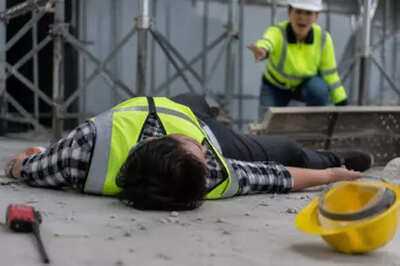
Representational Image
Dhaka, May 1: Recent reports indicate that in the first quarter of 2026, Bangladesh witnessed a tragic rise in workplace incidents, resulting in the deaths of at least 72 workers and injuries to 573 others. This figure represents more than a threefold increase compared to the same timeframe last year, as highlighted by a local human rights organization.
The Human Rights Support Society (HRSS), based in Dhaka, shared these findings during a discussion titled “Workers’ Rights are Human Rights,” held in anticipation of International Workers’ Day.
The report reveals that the number of injuries among workers has nearly doubled from the 294 reported in the first quarter of 2025. These injuries stemmed from various sources, including workplace accidents, police actions during protests, and other violent incidents, according to The Daily Star.
In total, 168 workplace fatalities were recorded in 2025, with 19 occurring in the first quarter and 64 in the last quarter.
During the event, Mahmudur Rahman Manna, President of the civil society group Nagorik Oikya, criticized the absence of adequate worker representation in the national parliament, emphasizing that their rights and demands are frequently ignored.
He expressed dismay that despite the parliament's prolonged sessions, critical issues such as workers’ rights, living conditions, and economic challenges remain unaddressed.
Manna also questioned the ongoing discussions regarding state reforms and constitutional changes, suggesting that their potential benefits for workers are uncertain.
He further claimed that the rising costs of essential goods, gas, and fuel in Bangladesh are not being effectively managed, while social safety net programs fail to reach those in need.
Manna urged labor leaders nationwide to merge the labor movement with mainstream politics and foster a responsible mass movement aimed at creating a welfare state.
Advocate Atiqur Rahman, President of the Bangladesh Sramik Kalyan Federation, remarked, “Many of those who lost their lives during the July movement were workers. Yet, reform commissions have not adequately addressed the issues faced by 75 million workers.”
He also condemned the ongoing use of child labor in garment factories.
Rabita Islam, Deputy Director of Karmojibi Nari, a women-led advocacy organization, highlighted the wage disparities and harsh conditions endured by female garment workers, stating, “Workers earning minimum wages are often dismissed as they age and are compelled to work in subcontracting factories, where their monthly earnings range from Tk 5,000 to Tk 7,000.”
-
UP JEECUP 2026: Registration Deadline for UP Polytechnic Exam Extended; Apply Soon..
-
Maharashtra 12th Result 2026: The Maharashtra HSC result will be released tomorrow at 1 PM on mahahsscboard.in.
-
UP Board Scrutiny 2026: Registration for UP Board Class 10 and 12 Scrutiny Begins—Apply Instantly in These 5 Steps..
-
Jharkhand 12th Result 2026: The toppers' list will also be released soon, along with the Intermediate results..

-
Maharashtra 12th Board Result 2026: Maharashtra Board HSC Results to be Released Tomorrow; 'Coming Soon' Alert on DigiLocker..