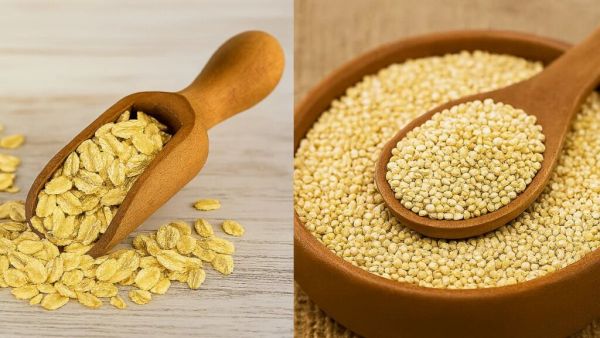
Oats and quinoa are two of the most popular healthy grains in modern diets. Whether it is for building muscle, managing weight, or simply eating better, both are often recommended for their nutritional value. Among health conscious eaters, one common question keeps coming up, which one offers more protein? Although both are excellent choices, they differ in protein quality, nutrients and overall health benefits. The better option often depends on your diet goals, daily routine and what your body needs. Here is a simple comparison to help you decide.
Oats vs Quinoa: A Quick Comparison
Oats are a whole grain that is widely eaten as a breakfast staple. They are soft when cooked, mildly flavored and very filling. Oats are especially known for their high fiber content, which supports digestion and heart health.
Quinoa, on the other hand, is technically a seed but is consumed like a grain. It has a slightly nutty taste and a light, fluffy texture when cooked. It is gluten free and has gained popularity as a superfood in recent years.
When it comes to protein, quinoa has slightly more protein than oats and is considered a complete protein. Oats still provide good protein but also stand out for their fiber and energy boosting properties.
Nutrition per 100 g (Cooked)
Values are approximate and may vary based on cooking method.
| Nutrient | oats | Quinoa |
| Calories | 68 days | 120 kcal |
| protein | 2.5 to 3 g | 4 to 4.5 g |
| Carbohydrates | 12g | 21g |
| fiber | 1.7g | 2.8g |
| fat | 1.4g | 1.9g |
| iron | moderate | high |
| Magnesium | moderate | high |
Which One Is Higher In Protein?
If your main goal is to increase protein intake, quinoa is the better choice. It not only provides slightly more protein per serving but also contains all nine essential amino acids. According to nutritionist Rupali Datta, quinoa is a great option for vegetarians because of its complete protein profile. It supports muscle repair and overall body function more effectively. Oats are still a good protein source and can contribute well to daily intake, especially when combined with milk, nuts or seeds.
Benefits Of Oats For Daily Nutrition
Oats are rich in fiber, especially beta glucan, which helps lower cholesterol and supports heart health. They are also known to keep you full for longer and prevent unnecessary snacking. They release energy slowly, making them ideal for breakfast and sustained energy throughout the day. Oats are also easy to prepare and highly versatile in everyday meals.
Benefits Of Quinoa For Protein And Health
Quinoa stands out because it is a complete protein, making it valuable for muscle building and recovery. It is also rich in minerals like iron and magnesium, which support overall health. It is light on the digestive system and suitable for people who are sensitive to gluten. Quinoa can be added to salads, bowls or eaten as a rice alternative.
Photo Credit: Unsplash
How To Add Oats To Your Diet
- Have oats porridge with fruits and nuts for breakfast
- Blend oats into smoothies for added fiber
- Use oats to make healthy pancakes or chilla
- Add oats to soups for thickness and nutrition
- Prepare overnight oats for a quick meal
How To Add Quinoa To Your Diet
- Use quinoa as a base for salads and grain bowls
- Replace rice with quinoa in lunch meals
- Add it to soups or vegetable mixes
- Cook quinoa pulao with spices and vegetables
- Use it as a filling for wraps or stuffed dishes.
Both oats and quinoa are excellent additions to a balanced diet.
Instead of choosing one, including both in your meals can help you achieve better nutrition and overall health.
-
"Geopolitical Earthquake": UAE quits OPEC to defy Saudi energy dominance, says analysis

-
AI actors and writers not eligible for Oscars

-
Coinbase says deal reached on key provision of crypto bill

-
Meta acquires robotics company Assured Robot Intelligence to help build humanoid technology

-
Kansas Massage Therapist faces sexual assault charges as multiple women allege abuse during appointments; investigation ongoing