Before algorithms dictated taste, there was Miranda Priestly—terrifyingly certain of what mattered in The Devil Wears Prada. Somewhere between Andy Sachs’ initiation into a ruthless fashion newsroom and that now-iconic cerulean sweater monologue, the film taught us that fashion was never just about clothes. It was about power, perception, and the quiet machinery shaping every trend we believed we chose. Nearly two decades later, The Devil Wears Prada 2 has arrived in theatres, bringing back Meryl Streep, Anne Hathaway, Emily Blunt and Stanley Tucci to a world that feels radically transformed. Here, a lot is dictated by algorithms over editors. For those of us who have lived through the churn of changing newsrooms and fashion’s fickle cycles, this sequel feels less like nostalgia and more like a mirror. If the original was about getting in, this one is about staying relevant.
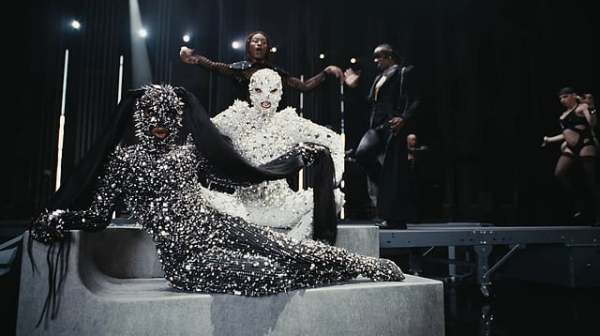
And right at the centre of this moment stands India. Couturier Gaurav Gupta has dressed Lady Gaga and Doechii in sculptural, crystal-embellished bodysuits for the ‘Runway’ music video—part of the film’s official soundtrack—and it feels like more than a fashion moment. It feels like a shift. To decode what this pop-cultural moment signals and what to expect from the film, we turn to three voices shaping India’s fashion conversation today.
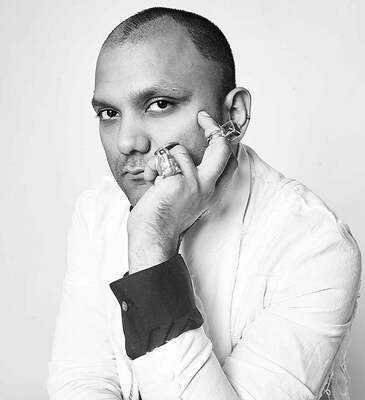
Gaurav Gupta, fashion designer
Tell us about the collaboration with Lady Gaga and Doechii for the Runway video and what it means to you.
It’s a meaningful moment for me. The film has had a lasting cultural impact, so contributing to its next chapter feels significant. It places couture within a broader cultural conversation. It came together through a collaborative exchange with the stylists and the broader creative teams. What made it interesting was the overlap of music, cinema, and fashion. The approach naturally shifts in that space. It’s less about a standalone garment and more about building a complete visual identity that works in motion, on camera, and within a narrative.
The movie shaped fashion culture when it was released in 2006. What are your thoughts on the sequel?
I think The Devil Wears Prada 2 remains relevant because the core themes still exist. Power, aspiration, and identity. What has changed is the speed and scale of the industry, and I’m curious to see how the sequel reflects that shift.
If you were to reinterpret that story through an Indian lens, what would it look like?
India has strong craft traditions and a rapidly evolving fashion system. Power today is more distributed. Designers, celebrities, and the algorithm—all influence each other. So, it would be a layered expression.
What’s your favourite quote from the film?
“The cerulean sweater” monologue. It captures how fashion operates beneath the surface.
If Miranda walked into your studio, what would she critique first?
Probably the narrative. The story behind the work is as important as the work itself.
Your favourite character in the movie?
Miranda, for her clarity and control. I’m interested to see how her character adapts to a more digital, fast-moving industry.
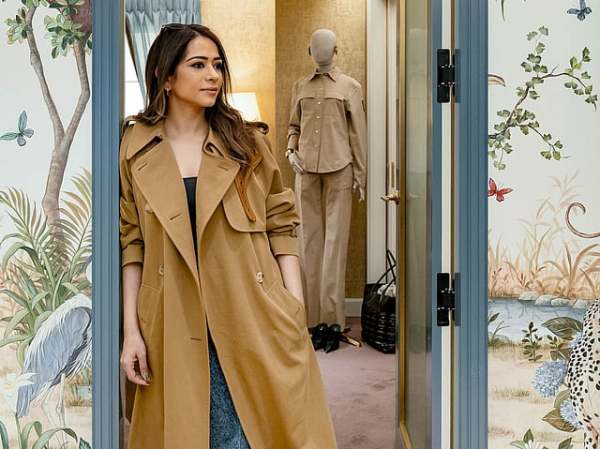
Krésha Bajaj, fashion designer
Did the movie change your relationship with fashion?
Yes, it made me realise fashion isn’t just pretty clothes and glamour. It’s power, perception, psychology, taste, business, and a crazy amount of hard work. What people dismiss as superficial is often built on obsession and detail most never see.
What advice would you give Andy Sachs today if you were Miranda Priestly?
Stop acting like wanting more is embarrassing. Take your work seriously. And stop apologising for ambition.
What’s your favourite quote from the movie?
“That’s all.” It's iconic, cold, yet perfect. Sometimes, fewer words say everything.
Andy Sachs transformed her character in the first movie with feminine menswear. What are your favourite staples to create this look?
I love feminine menswear when it feels sexy without trying too hard. An oversized blazer with a strong shoulder, a crisp, slightly undone shirt. A pair of sharply cut trousers or a waistcoat worn simply, paired with loafers or a sharp heel. Then add something unexpected, an exaggerated cuff, contrast stitching, or an old-world button detail. That’s where it gets interesting.
If the movie were made in India, who would play Miranda and which designers would you like to see?
Sushmita Sen, because she walks into a room like she owns oxygen. And designers like Shahab Durazi and James Ferreira would be great.
Aastha Sharma, stylist shaping some of India’s most visible fashion moments
The original film showed fashion as gatekeeping. What are your thoughts on the sequel?
Earlier, fashion felt like a closed club, exclusive for the elite and the inner circle, and exposed to the world through the film. But in the sequel, it feels like everyone’s invited, as fashion is today. The sequel shows that the real power today isn’t getting in; it’s staying relevant in a world that moves way too fast and is constantly changing.
“Everybody wants to be us.” Does that still hold?
Not exactly. People don’t blindly look up to fashion the way they used to. Especially in the editorial world. Social media has made everything feel more accessible. So, the aspiration hasn’t disappeared; it’s just become more subtle.
“Florals? For spring? Groundbreaking.” Are we still repeating trends?
Yes, completely. Fashion is always repeating itself. The difference now is how well it’s styled and presented. Designers like Miuccia Prada or Sabyasachi Mukherjee take something familiar and make it feel fresh again.
What does the sequel get right for today’s generation?
That fashion isn’t controlled by just a few people anymore. There are influencers, creators, photographers and stylists, and everyone has a voice.
What do you like about the film’s style quotient?
It's polished but intelligent. It’s not loud fashion; it’s the kind you understand only if you really know fashion. Wearable, accessible and relatable.
Favourite looks from the film?
The ones that feel effortless but very thought-through. Clean tailoring, quiet luxury, and then the occasional bold, dramatic moment. I loved how Miranda is dressed in chic sharp cuts, formal, not over the top, but still boss lady. Love Andy’s looks workwear but make it high fashion and accessible.
If the film had a distinctly Indian setting, how would you reinterpret power dressing?
It wouldn’t just be suits. It would be a strong sari, structured blouses, maybe even mixing Indian and western pieces. Effortless but impactful. Something that brands like Ekaya, Raw Mango and, Amit Aggarwal are doing.
-
HCL World Tennis Tour ITF W15 Delhi Sees Intense Quarterfinal Battles And Thrilling Wins
-
MS Dhoni Nears Comeback As Michael Hussey Confirms Strong Recovery From Calf Injury
-
Odisha Class 10 Result 2026: Board Of Secondary Education, Odisha To Announce AHSC Scores Today At 4 PM; Link Activate At 6 PM
-
NEP 2020 Transition Causes Initial Shortage, NCERT Ramps Up Class 9 Textbook Production Nationwide
-
Maharashtra Board HSC Result 2026: List Of Websites To Access Class 12 Scores