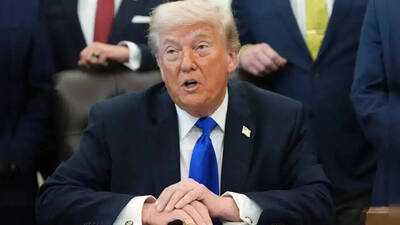
On Friday, Donald Trump intensified the pressure on Cuba by signing an executive order that broadens the scope of American sanctions against the Cuban government and its affiliates. This move was confirmed by two officials from the White House to a news agency, indicating it is part of a larger strategy to tighten the grip on Havana, especially following recent actions against Venezuela.
Targeted Individuals and Entities
Who Is Affected?
The executive order casts a wide net, allowing sanctions to be imposed on any foreign individual involved in various sectors of the Cuban economy, such as energy, defense, metals and mining, financial services, and security. Additionally, it opens the possibility of targeting anyone engaged in other economic activities within Cuba.
Specifically, the sanctions focus on individuals and organizations that support Cuba's security forces, those involved in corruption or severe human rights abuses, as well as government officials and their known supporters. The order also introduces secondary sanctions, meaning that third parties who engage in transactions with those already sanctioned could also face repercussions.
Cuba's Response
Cuba Pushes Back
The timing of this announcement coincided with Cuba's traditional May Day celebrations, prompting a strong reaction from Havana. Foreign Minister Bruno Rodriguez took to social media to denounce the sanctions, labeling them as "unilateral coercive measures" that violate the United Nations Charter and constitute collective punishment against the Cuban populace.
Rodriguez asserted, "The U.S. has no authority to impose sanctions on Cuba or on third parties," emphasizing that such actions would not intimidate the Cuban government.
Escalating Pressure from the U.S.
Part of a Broader Strategy
This executive order is part of a continuing trend of increasing pressure from the Trump administration throughout the region. Trump has frequently claimed that Cuba is on the brink of collapse and has been transparent about his intentions regarding Havana. Following U.S. military actions in Caracas aimed at ousting Venezuelan President Nicolas Maduro, Trump hinted that Cuba could be next on the agenda, although he did not provide specific details on what that might entail.
Longstanding Tensions
A Prolonged Standoff
The discord between Washington and Havana is longstanding. For decades, the U.S. has pressured Cuba to liberalize its state-controlled economy, conduct free elections, and compensate for properties taken by Fidel Castro's government after the revolution. Cuba has steadfastly refused to negotiate on these terms, insisting that its socialist governance is not open for discussion with the U.S. Trump's latest order indicates a lack of patience for this stance, but whether it will influence Cuba's position remains uncertain.
-
HCL World Tennis Tour ITF W15 Delhi Sees Intense Quarterfinal Battles And Thrilling Wins

-
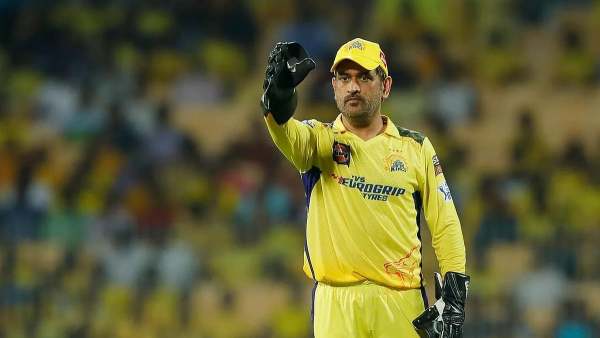
MS Dhoni Nears Comeback As Michael Hussey Confirms Strong Recovery From Calf Injury
-
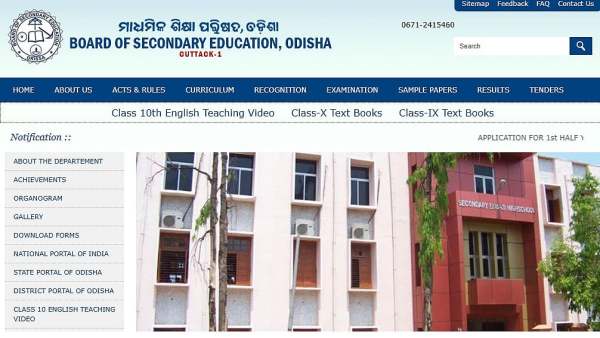
Odisha Class 10 Result 2026: Board Of Secondary Education, Odisha To Announce AHSC Scores Today At 4 PM; Link Activate At 6 PM
-
NEP 2020 Transition Causes Initial Shortage, NCERT Ramps Up Class 9 Textbook Production Nationwide
-
Maharashtra Board HSC Result 2026: List Of Websites To Access Class 12 Scores