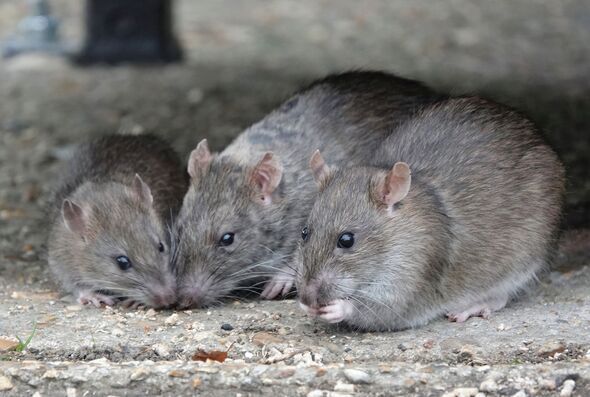
Rats are a common problem in UK gardens. They are often drawn to compost bins, bird feeders and leftover food, and once they settle in, they can be difficult to get rid of. While traps and professional pest control are options, many homeowners look for natural ways to keep rodents away.
Pest control experts say there is one popular herb that could help deter them, and it costs as little as £3. It is strong-smelling and can make gardens far less appealing to rats. On top of that, it is easy to plant and take care of afterwards.
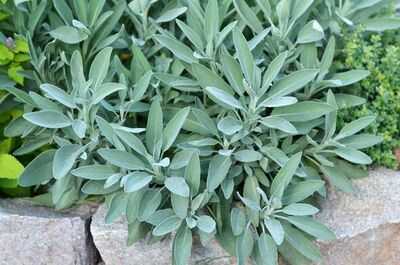
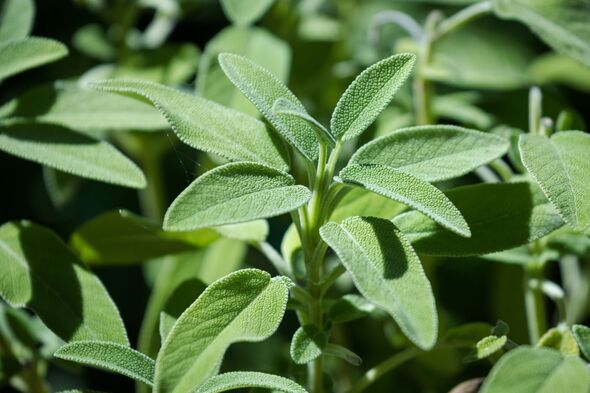
The herb in question is sage. Pest control experts at Rentokil said: "This lovely herb can not only enhance your pasta dishes, but the strong smell is a natural rat repellent.
"Use in pots around the garden or let it grow wildly to repel those mice and rats from entry points."
Sage is considered one of the best natural deterrents for rats because of its powerful aroma and chemical compounds.
It contains high levels of thujone and cineole, which are intensely pungent and repelling to rodents.
While the scent is pleasant to humans, it can overwhelm rats, which rely heavily on their sense of smell to navigate and find food.
The strong smell interferes with their ability to detect food sources and acts as a natural "no-go" signal, encouraging them to avoid the area.
Sage is also a resilient plant that grows well in most soil types as long as it has full sun. That makes it suitable for borders, vegetable beds or pots placed near entry points, patios or compost piles.
It can be used in several ways. Gardeners can plant sage along borders to create a protective barrier, grow it in pots around problem areas, or sprinkle dried or crushed fresh leaves directly onto the soil.
In the UK, common sage (Salvia officinalis) is widely available online and in garden centres.
Smaller potted plants can cost £3 or less, though larger or more mature plants may cost up to £15, depending on size and variety.
The Royal Horticultural Society (RHS) advises planting sage in spring or summer once the risk of frost has passed.
It should be placed in a sunny, sheltered spot with well-drained soil. Plants should be spaced around 45cm to 60cm apart to allow them to spread.
The RHS adds that sage does not tolerate waterlogged soil, particularly in winter, and benefits from light pruning after flowering to prevent it from becoming woody.
Gardeners have also shared their experiences online. One person wrote on Facebook: "I have a big problem with rats in my garden. I've tried many things, but nothing has worked so far. Does anyone have any advice?"
There were plenty of replies, with one person saying: "Sage, sage, sage. I had the same problem until I planted sage. It worked wonders. In my opinion, it's the best rat deterrent that you can plant."
Another added: "Sage has worked really well for me, but I planted a lot of it."
-
India's Most Awaited Kailash Mansarovar Yatra Set To Begin In June: Know Routes, Registration Process, Eligibility And Key Details

-
Maharashtra HSC Results 2026: 89.79% Pass Percentage As Konkan Tops With 94.14%, Latur Lowest At 84.14%

-
Not the season, admits MI skipper Hardik Pandya after another defeat

-
Trump Says He’ll Review Iran’s New Proposal, Warns Of US Strikes If Tehran 'Misbehaves'

-
Miami Grand Prix rescheduled as F1 and FIA take action over approaching thunderstorms