For elite athletes, performing their craft under intense spotlight is a default setting. They thrive in the pressure, execute their jaw-dropping skills, and soak in the adulation. However, just inches from the unidirectional brightness of the spotlight, lurks a menacing darkness. It is where these elite athletes are consigned to when their most trustworthy ally — a fit and able body — deserts them.
It is here that the most compelling tennis player on the planet finds himself.
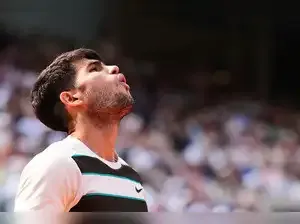
At the start of the year, Carlos Alcaraz could not put a foot wrong. He steamrolled to his seventh major title in Australia, becoming the youngest male player to complete the career Grand Slam at just 22.
A couple of weeks later, he returned to the courts in Doha, swatting aside all competition to pocket the title. The world, as an enduring cliché goes, was at the Spaniard’s feet. There were even murmurs that the calendar Slam wasn’t in the realm of impossibility.
And then arrived a grim reality check — defeats in Indian Wells, Miami and Monte Carlo punctured the momentum before his body sent him a message. Forced to pull out from a Round of 16 match in Barcelona, Alcaraz faced a reckoning. His wrist, a body part that tennis players need to execute every shot, simply hurt too much, forcing a devastating decision.
Not only would Alcaraz miss his home tournament in Madrid, but crushingly, had to pull out of his title defense at Roland Garros starting later this month.
On his social media Alcaraz did not provide a timeline of his return, while describing this as a “complicated moment” that he was sure he would come out “stronger” from. There is little doubt that Alcaraz will overcome this temporary blip.
Even as fans calculate the impact on his spot in the rankings with significant points — 1000 from Rome and 2000 from the French Open — potentially opening the door for other players to sneak past him in second place, Alcaraz is unlikely to be concerned by those numbers. Instead, in the darkness surrounding the spotlight that he now finds himself in, he will be encountering another battle — within his mind.
He will be drawn to contests featuring his rivals that will flicker on a TV screen near him, miss the energy of competition, the demands of everyday problem solving, the intensity of battling for titles and glory.
In moments, he will feel anger; in others, he will combat envy. For elite athletes, accumulating victories and titles are byproducts of a deeper pursuit — of entering throbbing arenas, where they revel in the competition against their fiercest rivals. They are not accustomed to sitting on the sidelines.
In a heartwarming moment at Madrid on Thursday, Alcaraz, wearing a wrist brace, beamed from ear to ear as he watched his younger brother Jaime win his debut match of the Under-16 competition. Momentarily, his own agony was forgotten as he posted “Proud” on Instagram, punctuated by a googly-eyed emoji, standing alongside his sibling.
Yet, that respite was possibly only temporary as he goes back to the lonely pursuit of finding his way back from an injury most tennis players believe is among the toughest to recover.
For now, there is nothing to do but wait — for tennis fans, who will miss his effervescence and skill, and for Alcaraz himself, who will combat the demons of doubt and despair even as the circuit buzzes on in his absence.
Even the man primed to benefit most from Alcaraz’s absence, Jannik Sinner, is waiting on his most formidable rival to strap up, and take his rightful place in the sport’s upper echelons. “...tennis needs Carlos,” mused the genial Italian, speaking for countless fans around the world. “Tennis is a much better sport when he’s around.”
It is here that the most compelling tennis player on the planet finds himself.
At the start of the year, Carlos Alcaraz could not put a foot wrong. He steamrolled to his seventh major title in Australia, becoming the youngest male player to complete the career Grand Slam at just 22.
A couple of weeks later, he returned to the courts in Doha, swatting aside all competition to pocket the title. The world, as an enduring cliché goes, was at the Spaniard’s feet. There were even murmurs that the calendar Slam wasn’t in the realm of impossibility.
And then arrived a grim reality check — defeats in Indian Wells, Miami and Monte Carlo punctured the momentum before his body sent him a message. Forced to pull out from a Round of 16 match in Barcelona, Alcaraz faced a reckoning. His wrist, a body part that tennis players need to execute every shot, simply hurt too much, forcing a devastating decision.
Not only would Alcaraz miss his home tournament in Madrid, but crushingly, had to pull out of his title defense at Roland Garros starting later this month.
On his social media Alcaraz did not provide a timeline of his return, while describing this as a “complicated moment” that he was sure he would come out “stronger” from. There is little doubt that Alcaraz will overcome this temporary blip.
Even as fans calculate the impact on his spot in the rankings with significant points — 1000 from Rome and 2000 from the French Open — potentially opening the door for other players to sneak past him in second place, Alcaraz is unlikely to be concerned by those numbers. Instead, in the darkness surrounding the spotlight that he now finds himself in, he will be encountering another battle — within his mind.
He will be drawn to contests featuring his rivals that will flicker on a TV screen near him, miss the energy of competition, the demands of everyday problem solving, the intensity of battling for titles and glory.
In moments, he will feel anger; in others, he will combat envy. For elite athletes, accumulating victories and titles are byproducts of a deeper pursuit — of entering throbbing arenas, where they revel in the competition against their fiercest rivals. They are not accustomed to sitting on the sidelines.
In a heartwarming moment at Madrid on Thursday, Alcaraz, wearing a wrist brace, beamed from ear to ear as he watched his younger brother Jaime win his debut match of the Under-16 competition. Momentarily, his own agony was forgotten as he posted “Proud” on Instagram, punctuated by a googly-eyed emoji, standing alongside his sibling.
Yet, that respite was possibly only temporary as he goes back to the lonely pursuit of finding his way back from an injury most tennis players believe is among the toughest to recover.
For now, there is nothing to do but wait — for tennis fans, who will miss his effervescence and skill, and for Alcaraz himself, who will combat the demons of doubt and despair even as the circuit buzzes on in his absence.
Even the man primed to benefit most from Alcaraz’s absence, Jannik Sinner, is waiting on his most formidable rival to strap up, and take his rightful place in the sport’s upper echelons. “...tennis needs Carlos,” mused the genial Italian, speaking for countless fans around the world. “Tennis is a much better sport when he’s around.”
(Disclaimer: The opinions expressed in this column are that of the writer. The facts and opinions expressed here do not reflect the views of www.economictimes.com.)