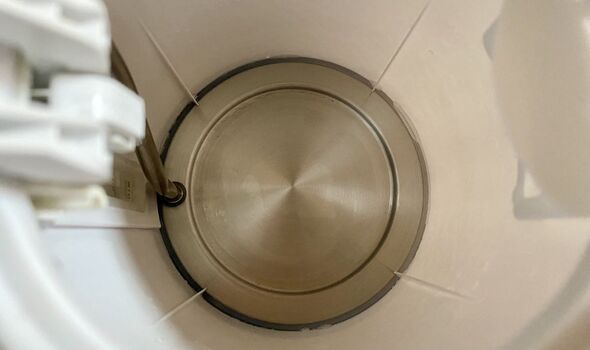
Living in a hard water area of the UK, I find myself in a constant battle against limescale across numerous appliances and fixtures throughout my home. The washing machine, the toilet, the shower and the taps are all prime hotspots for limescale build-up. Yet the one appliance I find myself descaling twice a week without fail is my kettle.
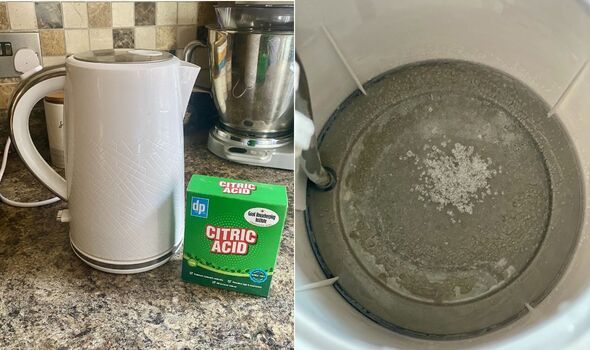
While white vinegar is widely regarded as the ultimate kettle descaler, the pungent smell is enough to put me off entirely. Instead, my preferred choice has long been Dri-Pak Citric Acid, which has served as my trusted descaling solution. However, I recently decided to try another kettle-descaling product I had spotted a number of cleaning influencers using, to see how it measures up against citric acid. Both products were reasonably affordable; the citric acid retails at £2.75 at Waitrose, while the Quickshine Descaler Bag is priced at £1.75.
To give both a fair and thorough test, I left the kettle for a week before tackling it with the first product, then repeated the process a week later with the second. The kettle had accumulated a comparable amount of limescale before each test began.
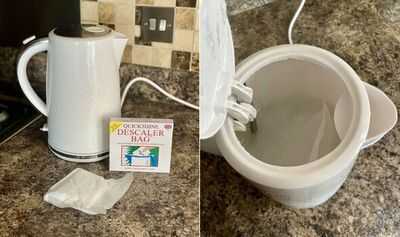
Quickshine Descaler BagSince I was already well acquainted with the effectiveness of the Dri-Pak Citric Acid, I opted to put the Quickshine Descaler Bag through its paces first.
Upon opening the box, I was taken aback to discover just a single sachet inside. At £1.75 for one sachet, the price struck me as rather steep - though the bag itself did contain a generous quantity of descaling powder.
It was straightforward enough to use; I simply had to boil half a kettle of water, unplug it and drop in the descaler bag. The instructions recommended leaving the bag to sit for 25 minutes, which is precisely what I did.
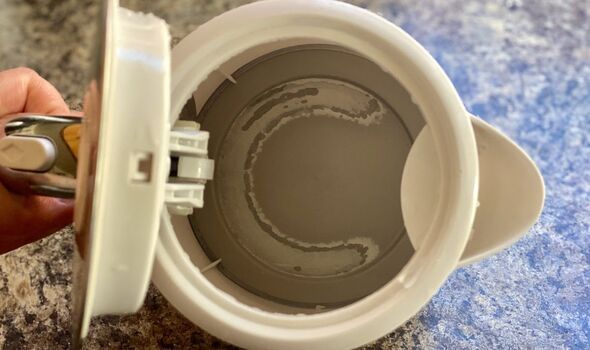
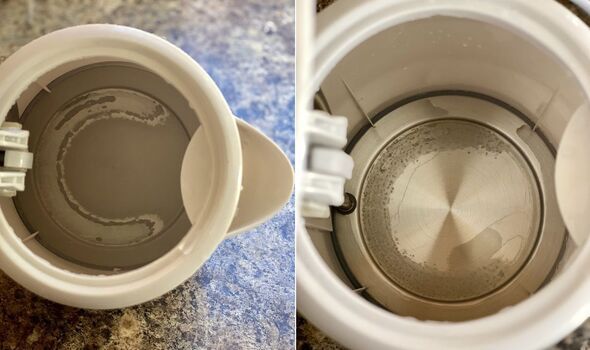
Halfway through, I couldn't resist a quick look inside the kettle to check on progress - much of the limescale had disappeared, though a small amount still remained.
Once the full 25 minutes had elapsed, I poured out the water and rinsed the kettle thoroughly. While the majority of the limescale had been removed, this descaler appeared to leave some brown staining in its wake.
 Dri-Pak Citric Acid
A week on, I put my trusted kettle-cleaning solution through its paces. To descale my kettle using citric acid, I typically add one to two tablespoons depending on the severity of the limescale build-up. On this occasion, I went with two tablespoons.
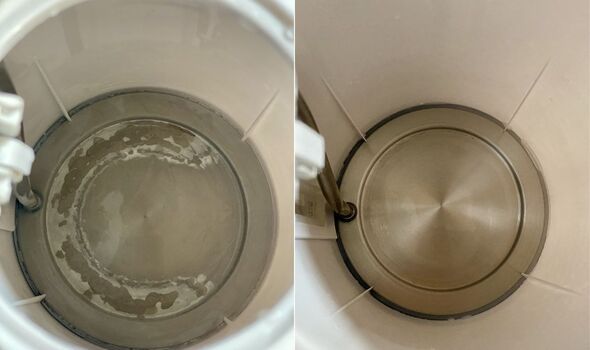
Having added the citric acid, I filled the kettle a quarter of the way before setting it to boil. Once boiled, there was no need to leave the solution to soak, as every trace of limescale had vanished. From start to finish, the entire process took no longer than three minutes.
Much like the previous product, I emptied the water and gave the kettle a rinse - not a single trace of limescale or staining remained.
 Verdict
All things considered, the Dri-Pak Citric Acid was the undisputed winner. It worked more than 20 minutes faster than the Quickshine Descaler Bag and left absolutely no stains or limescale behind.
While the Quickshine Descaler Bag is initially the more affordable option, retailing at £1.75 at Waitrose, the £2.75 Dri-Pak Citric Acid actually proves better value over time. A 250g box of citric acid provides a minimum of eight uses, whereas the Quickshine Descaler Bag is a single-use product.
Furthermore, the box of citric acid has the added advantage of allowing you to adjust the quantity used depending on the extent of limescale build-up; by contrast, the descaler bag requires a fixed amount to be used, and the portions are rather generous.
-
'IPL In Safest Of Hands': Lalit Modi Reacts As Mittal Family & Adar Poonawalla Set To Acquire Rajasthan Royals In Whopping ₹15,660 Crore Deal

-
SRH vs KKR, IPL 2026, Match 45: Pat Cummins Won Toss & Elected To Bat First In Hyderabad

-
IPL 2026: Mittal Family & Adar Poonawalla Set To Acquire Rajasthan Royals In Whopping ₹15,660 Crore Deal

-
Kiara Advani Requests Yash & Toxic Makers To Trim Down Her Intimate Portions Amid 'Obscene Scenes' Backlash: Report

-
Boat capsize in MP's Jabalpur: Toll rises to 13, body of last missing person recovered