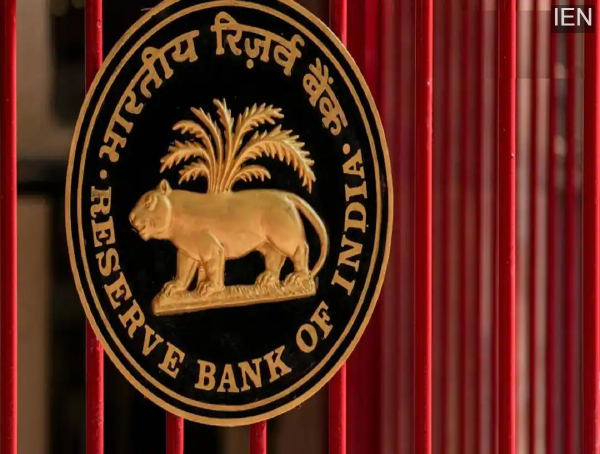
First RBI Governor: Did you know that the first Governor of the RBI was neither Indian nor British? Let’s explore some simple yet significant details regarding his pivotal role in India’s banking system.
First RBI Governor: Whenever India’s economy and banking system are discussed, the name of the Reserve Bank of India—or RBI—is the first to come to mind. But are you aware that the RBI’s first Governor was neither Indian nor British? This fact may come as a surprise to many. Today, while the Reserve Bank of India is regarded as a vital pillar of the national economy, very few people know that its first Governor was an Australian banker. He assumed this responsibility at a time when India’s banking system was still in its nascent stages of development.
Who was the first RBI Governor?
The RBI was established on April 1, 1935. At that time, Sir Osborne Smith was appointed as its first Governor. Sir Smith was born on December 26, 1876, in Australia. He had been involved in the banking sector right from the beginning of his career. He worked at the Bank of New South Wales for approximately 20 years, after which he served the Commonwealth Bank of Australia for another 10 years. He arrived in India in 1926. Here, he was appointed as the Managing Governor of the Imperial Bank of India—an institution considered one of the country’s largest banking entities at the time. His work garnered acclaim not only within India but also under the British administration. In March 1929, he was conferred the title of ‘Knight.’ However, his tenure was relatively brief; he served as the RBI Governor from 1935 to 1937. It is reported that he resigned from his post due to certain policy-related differences.
How much was his salary?
In terms of remuneration, the RBI Governor at that time received a monthly salary of approximately ₹20,000. By today’s standards, this sum was considered quite substantial at the time. In that era, very few people received such a high salary. This demonstrates just how significant and demanding the position of RBI Governor was, even back then. In addition to their salary, they were provided with various other perquisites—including residential accommodation, an official vehicle, support staff, and other essential amenities—all of which served to reflect the dignity and stature of the office.
Tenure and Key Aspects
Sir Osborne Smith’s tenure was not particularly long; however, during the time he served as RBI Governor, he accomplished several significant tasks. At that juncture, India’s banking system was still in its nascent stages, making it imperative to steer it in the right direction. Smith focused on strengthening the banking infrastructure to foster public confidence in banks and ensure the smooth functioning of the economic system. Concurrently, he strove to maintain the stability of the nation’s currency and monetary framework. Given that the economic climate of that era was fraught with challenges, making sound decisions was absolutely critical. He implemented measures designed to establish a robust and well-structured banking and financial system.
However, he eventually stepped down from his post due to disagreements with the British government regarding certain policy matters. Following his departure, James Brad Taylor was appointed as the next Governor of the RBI.
The Significance of the RBI and its Current Status
Today, the RBI has evolved into an indispensable pillar of India’s economy. It is often referred to as the “backbone” of the nation’s economic framework, as it is responsible for making pivotal decisions regarding monetary policy. It is the RBI that determines the prevailing interest rates within the country, formulates strategies to curb inflation, and regulates the flow of liquidity within the market. Furthermore, the RBI exercises oversight over all banks operating in the country, issuing directives to ensure their adherence to regulatory norms. In instances where a bank fails to comply with these regulations, the RBI is empowered to initiate punitive action against it. Additionally, the RBI plays a pivotal role in maintaining overall economic stability; whenever the nation experiences economic volatility or fluctuations, the RBI endeavors to stabilize the situation through the strategic application of its monetary policies.
-
Shahrukh Khan's Knight Riders Rope In Pakistani Bowler Usman Tariq

-
Doc Talk | Skin Disorders In India Are On The Rise; Here's Why Experts Recommend A Holistic Approach

-
Abhijeet Dipke Thanks CJI's 'Cockroach' Comment After Dharmendra Pradhan Resigns

-
Commonwealth Games Explained: When It Started, Why They Matter And More

-
NITTT Exam 2026: NTA Announces Dates For April-May Semester Candidates; Check Full Schedule & Guidelines Here