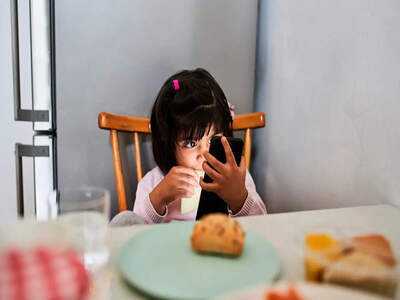
In today's world, one of the significant challenges is nurturing a reading culture among children. With the increasing prevalence of screens—such as smartphones, televisions, and social media—children's experiences are becoming more immediate and surface-level.
This transformation extends beyond mere habits; it also affects children's cognitive abilities, focus, and emotional sensitivity. Therefore, re-establishing a connection between children and books is not just beneficial but essential, as literature cultivates patience, depth, and creativity in young minds.
Creating a Book-Friendly Home Environment
**The Home Environment Matters**
It is often said that a home without books lacks ideas. This saying is particularly true for children. The habits formed during childhood lay the groundwork for their entire lives. By encouraging reading during these formative years, children grow into individuals who not only excel academically but also engage with life thoughtfully, question their surroundings, and think critically. The family's role is crucial in this process. Children learn more from observing their parents than from lectures. When parents read, discuss literature, and incorporate books into their daily routines, children naturally develop an interest in reading.
Establishing an Engaging Reading Routine
**An Engaging Routine Proves Helpful**
As noted by celebrated children's author Harikrishna Devsare, reading is not something that can be taught; rather, children need an environment that encourages them to read independently. If screens dominate the household, books will inevitably be sidelined. Thus, it is vital to create a home atmosphere where books are seen as practical tools rather than mere decorations. Children tend to emulate what they see daily, not just what they are told. Setting aside dedicated reading time each day, especially in the presence of children, can help instill this habit. Reading stories aloud with enthusiasm and engaging children with questions can make the experience enjoyable.
Choosing the Right Literature
**Choose the Right Literature**
Offering children choices in their reading material is crucial. When they can select books that interest them, reading becomes a pleasurable activity. Books provide not just words but also unique perspectives. Therefore, careful selection of literature is important. Publications from Gita Press, like the *Bal Chitra Ramayana* and *Prerak Bal Kahaniyan*, effectively impart moral lessons through accessible language. Similarly, works from Suruchi Prakashan, including *Anmol Kahaniyan* and biographies of notable figures, inspire courage and a sense of national pride in children. These books do more than convey information; they significantly influence a child's character and worldview. Today, the nature of books has changed; they are not only read but also listened to. Audiobooks are a great way to engage children with stories, although reading and listening are distinct activities.
Finding Balance Between Screens and Books
**Balancing Screens and Books**
Research indicates that excessive screen time can negatively impact children's focus and memory. Therefore, it is essential to find a balance in digital media usage. While a complete ban on screens is impractical, setting clear limits is necessary to ensure children have the mental space and time to read.
It is important to recognize that developing a reading habit is not an overnight process; it requires time and consistent effort. With the right support from family, schools, and society, we can guide children back to the enriching world of books. Only by reconnecting childhood with literature can we cultivate a society rich in ideas.
Conclusion
PC Social Media
-
IndiGo Flight Experiences Power Bank Explosion During Taxiing in Chandigarh

-
Cabinet Approves Major Rail Multi-Tracking Projects to Enhance Connectivity

-
Historic Victory in West Bengal Elections 2026: A New Era Begins

-
Ambati Rayudu Takes Charge as Head of Cricket Operations in Hyderabad

-
Understanding Kalbaisakhi: The Weather Phenomenon Impacting India and Bangladesh