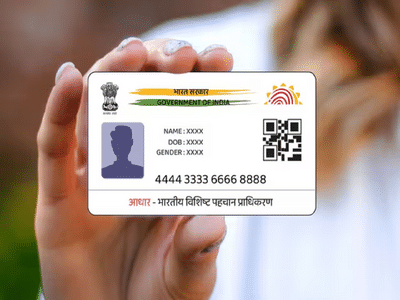
Rumours circulating on social media about a major redesign of the Aadhaar card have been officially dismissed by the government. Claims suggesting that the Aadhaar card will soon be reduced to a format featuring only a QR code and photograph are completely false, according to authorities.
The clarification came from the Press Information Bureau (PIB), which categorically rejected these viral reports. The agency stated that there is no proposal to introduce a simplified Aadhaar version limited to just a QR code and image, and urged citizens to rely only on verified and official sources for such updates.
What Sparked the Confusion?In recent days, several posts on social media platforms and messaging apps claimed that the Unique Identification Authority of India (UIDAI) was planning to roll out a redesigned Aadhaar card. These posts suggested that the new version would remove most details and retain only a QR code and the cardholder’s photograph.
Such claims quickly gained traction, leading to confusion among users. However, PIB intervened to fact-check the information and labeled the claims as misleading and baseless.
PIB Issues Clear DenialThe government’s fact-checking body made it clear that no such changes are being considered. According to PIB, the current format of the Aadhaar card remains unchanged, and there is no plan to replace it with a stripped-down version.
Officials emphasized that viral content spreading such claims is inaccurate and should not be trusted. They also warned that such misinformation can create unnecessary panic and confusion among citizens.
No Changes Proposed in Aadhaar FormatThe government further clarified that there is currently no proposal to modify the existing Aadhaar structure. The card continues to function as a comprehensive identity document, containing multiple details necessary for authentication and verification.
The authorities reassured users that any official update related to Aadhaar will be communicated through trusted channels such as PIB and UIDAI, ensuring transparency and accuracy.
Rising Concern Over MisinformationThe incident highlights the growing issue of misinformation on platforms like WhatsApp and other social media networks. Fake or incomplete information often spreads rapidly, making it difficult for users to distinguish between fact and fiction.
Government agencies have repeatedly advised citizens to verify information before sharing it further. Blindly forwarding unverified messages not only spreads confusion but can also contribute to widespread misinformation.
How to Stay Safe from Fake NewsTo avoid falling victim to such rumours, users should follow a few simple steps:
- Always cross-check information with official sources like PIB or UIDAI
- Avoid sharing messages that seem suspicious or lack credible references
- Be cautious of sensational claims, especially those spreading rapidly on messaging apps
- Use fact-checking tools or government portals to verify viral news
The viral claim about Aadhaar being limited to a QR code and photo is completely false. There is no redesign plan in place, and the existing format remains unchanged.
In an era where misinformation spreads quickly, staying informed through authentic sources is more important than ever. Relying on official updates will not only keep you accurately informed but also help prevent the spread of fake news.
-
CM Stalin tenders resignation: DMK sources

-
CM Stalin tenders resignation: DMK sources

-
Gas pipeline leak triggers fire in Bidar; major accident averted

-
Bengaluru: Six arrested with MDMA, hydro ganja worth Rs 20 crore

-
Asthma patients using salbutamol blue inhalers told contact GP as 'dangerous' alert issued