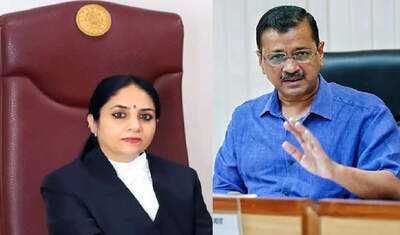
The Delhi High Court announced on Tuesday its decision to appoint three senior lawyers as amicus curiae to represent Aam Aadmi Party (AAP) leaders Arvind Kejriwal, Manish Sisodia, and their associate Durgesh Pathak. This move comes after the leaders boycotted the proceedings related to the liquor policy case. While hearing a petition from the CBI challenging the acquittal of the accused, Justice Swarn Kanta Sharma's bench indicated its intention to ensure representation in the matter. An amicus curiae is a legal expert who is not a party to the case but is appointed by the court to assist with legal arguments, clarify issues, or ensure fair proceedings. Justice Sharma remarked, without commenting on the leaders' decision to boycott, "I will appoint a senior lawyer as amicus curiae. I will issue an order regarding the amicus curiae on Friday, after which we will proceed with the hearing of the case.
Background of the Case
This development follows the AAP leaders' absence from the proceedings before Justice Swarn Kanta Sharma. Their boycott occurred after the judge dismissed their petitions to recuse herself from the case on April 20. Last week, Kejriwal and Sisodia sent a letter to Justice Sharma stating that they would not appear before her personally or through a lawyer, opting instead to follow the path of Mahatma Gandhi's satyagraha. On February 27, a lower court acquitted Kejriwal, Sisodia, and 21 others in the liquor policy case under investigation by the CBI, ruling that the prosecution's case had completely failed judicial scrutiny and was baseless. On March 9, Justice Sharma's bench stayed the lower court's recommendation for departmental action against the CBI's investigating officer. While issuing notice on the CBI's appeal against the acquittal, the High Court noted that some findings of the lower court at the stage of framing charges appeared "prima facie erroneous" and warranted consideration.
Concerns Over Judicial Bias
Following this, Kejriwal, Sisodia, and other defendants raised concerns about potential conflicts of interest and bias, requesting the judge's recusal from the case. They argued that the judge's child is a lawyer on a central government panel who receives work through the Solicitor General, who represents the CBI in this matter. Dismissing the petition on April 20, Justice Sharma stated that a judge cannot recuse themselves merely to satisfy a party's "baseless apprehension of bias."
-
IndiGo Flight Experiences Power Bank Explosion During Taxiing in Chandigarh

-
Cabinet Approves Major Rail Multi-Tracking Projects to Enhance Connectivity

-
Historic Victory in West Bengal Elections 2026: A New Era Begins

-
Ambati Rayudu Takes Charge as Head of Cricket Operations in Hyderabad

-
Understanding Kalbaisakhi: The Weather Phenomenon Impacting India and Bangladesh