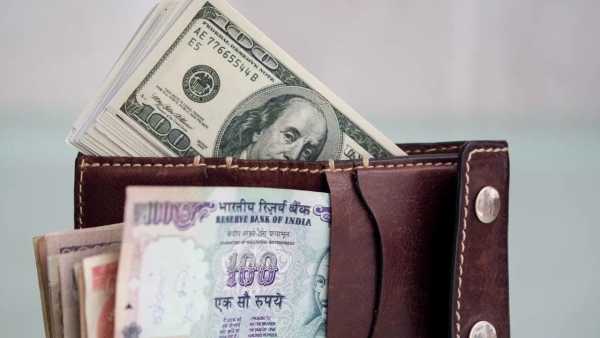
The UN agency working on migration said that India received more than $137 billion in remittances in 2024. It is the largest remittance receiving country in the world and the only country to cross the $100 billion mark. In the 'World Migration Report 2026' released on Tuesday by the International Organization for Migration (IOM), it has been said that India has consistently been at the forefront among the countries receiving remittances, followed by Mexico. In 2024, India, Mexico, Philippines and France were the top four countries receiving the most remittances worldwide. Let us also tell you what kind of information has been given in the UN report.
India is the only country in the world
However, India was far ahead of other countries, receiving more than $137 billion, and remained the only country to cross the $100 billion mark, the report said. Since 2010, India has been the largest recipient of remittances in the world. That year it had received $53.48 billion, which increased over the years to $68.91 billion in 2015, $83.15 billion in 2020 and $137.67 billion in 2024. It has also been told in the report that the distribution of remittances is also different in different areas. It is estimated that in 2024, there will be the highest growth of 11.8 percent in South Asia, the main reason for which is the continuous strong inflow of remittances from India, Pakistan and Bangladesh.
100 billion dollar remittance from UAE
High-income countries are almost always the main sources of international remittances. For decades, the United States has consistently been the largest remittance sending country in the world. In 2024, a total of more than 100 billion dollars of remittances went out from there. After this comes Saudi Arabia (more than $46 billion), Switzerland (about $40 billion) and Germany (about $24 billion).
In which country are children studying abroad?
The report also states that Asian countries continue to have the largest share among students studying internationally. In 2022, more than 1 million international students came from China, the largest origin country of students worldwide. India came in second place, with more than 620,000 students studying abroad. Apart from these two major countries, the figures for the countries of origin drop significantly: Uzbekistan (150,000), Vietnam (134,000) and Germany (126,000) come next, while the United States, France, Nigeria, Syrian Arab Republic and Nepal each had 95,000 to 115,000 students studying abroad. More than half of the world's international students live in countries in Europe and North America.
Work going on on brain drain
The report says that Indian diaspora is playing an important role in the expansion of India's technology sector. The report notes that safeguarding the role of migration in development also means tackling the challenge of “brain drain” and converting it into “brain gain”. When skilled workers move abroad, countries of origin may lose their human capital, but specially designed policies can diffuse knowledge, benefiting both countries of origin and destination.
"India's 'brain gain' efforts include annual expatriate conferences and innovation hubs to bring back Indian scientists and entrepreneurs (or mentor startups from afar), while initiatives such as China's 'Thousand Talents Plan' have successfully attracted thousands of overseas Chinese academics to return and boost domestic research and development. However, the results of such programs may be mixed, even if they have long-term benefits," the report said.


-
Apply Now: 2085 Vacancies in UP Cooperative Bank Recruitment 2026
-
Navigating the Challenges of Corporate Life for Fresh Graduates

-
Essential Insights on Gratuity Regulations for UAE Employees

-
The Dual Life of Modern Indian Women: Balancing Career and Home Responsibilities

-
Top 5 Government Job Opportunities in Himachal Pradesh for 12th Pass Candidates in 2026