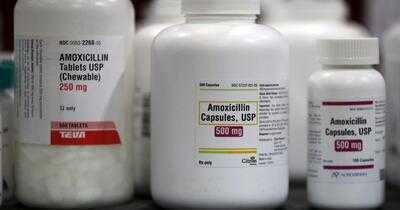
Antibiotics are one of the greatest breakthroughs in medical history. They turned once-deadly infections into treatable illnesses and made modern healthcare possible. But bacteria are changing, and some of the drugs we have depended on for decades are becoming less effective.
Around the world, infections are becoming harder to treat. This problem is known as antimicrobial resistance. It happens when bacteria evolve ways to survive medicines designed to kill them. It is estimated that drug-resistant infections already cause about 1.27 million deaths every year worldwide.
The World Health Organization has warned that we may be moving towards a “post-antibiotic era” in which common infections once again become dangerous, and even routine injuries or procedures carry serious risk.
A century ago, that was normal. A cut from gardening, a sore throat or childbirth could turn into a life-threatening infection. Doctors had few effective treatments, and infectious diseases such as pneumonia, tuberculosis and diarrhoea disease were among the leading causes of death. The arrival of antibiotics changed that dramatically.
Penicillin, discovered by Alexander Fleming in 1928, marked the beginning of one of the most important revolutions in medicine. Before antibiotics, tuberculosis was one of the world’s deadliest infectious diseases. In 1882, it killed one in seven people living in the US...
Read more
-
IndiGo Flight Experiences Power Bank Explosion During Taxiing in Chandigarh

-
Cabinet Approves Major Rail Multi-Tracking Projects to Enhance Connectivity

-
Historic Victory in West Bengal Elections 2026: A New Era Begins

-
Ambati Rayudu Takes Charge as Head of Cricket Operations in Hyderabad

-
Understanding Kalbaisakhi: The Weather Phenomenon Impacting India and Bangladesh