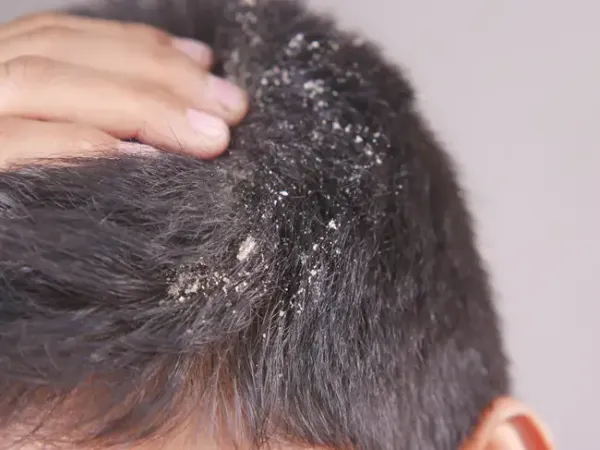
Dandruff is one of those annoying scalp issues that almost everyone deals with at some point. Those white flakes, itchiness, and occasional irritation can feel embarrassing and uncomfortable, especially when they keep coming back. The good news is that dandruff is usually manageable with simple, consistent care and a few lifestyle adjustments. Below are easy, commonly used methods that help reduce and control dandruff in a natural and practical way.
Understanding What Causes Dandruff
Before trying to fix dandruff, it helps to understand why it happens. In most cases, dandruff is linked to an overgrowth of a naturally occurring yeast on the scalp called Malassezia, which feeds on oils. When the scalp becomes too oily or too dry, it can trigger flaking and irritation. Other factors like infrequent washing, sensitivity to hair products, stress, or even weather changes can also make dandruff worse.
Because dandruff has multiple triggers, the most effective approach usually combines good scalp hygiene, the right hair care products, and small daily habits that support scalp health.
Regular Washing with a Gentle Anti-Dandruff Shampoo
One of the simplest and most widely recommended ways to control dandruff is consistent hair washing using a mild anti-dandruff shampoo. These shampoos are designed to reduce excess oil, calm irritation, and control the fungus that contributes to flaking.
Ingredients such as zinc pyrithione, ketoconazole, selenium sulfide, or salicylic acid are commonly found in effective dandruff shampoos. Using them a few times a week, depending on your scalp condition, can significantly reduce flakes over time. The key is consistency, many people stop too early before the shampoo has time to fully work.
It’s also important to leave the shampoo on your scalp for a few minutes before rinsing so the active ingredients can properly act on the skin.
Keeping the Scalp Clean Without Overwashing
While washing is important, overwashing can also make dandruff worse. Stripping the scalp of too much natural oil can lead to dryness, which may trigger even more flaking. Finding the right balance is essential.
For most people, washing hair two to three times a week works well. However, those with very oily scalps may need slightly more frequent washing, while dry scalps may benefit from fewer washes. Paying attention to how your scalp reacts helps you adjust your routine effectively.
Natural Oils for Scalp Moisture and Balance
Another commonly used trick for dandruff control is applying natural oils to the scalp. Oils like coconut oil, tea tree oil, and olive oil are often used to reduce dryness and soothe irritation. Coconut oil, in particular, has antimicrobial properties and helps lock in moisture, which can improve scalp comfort.
A gentle oil massage before washing the hair can help loosen flakes and improve circulation. However, it’s important not to overuse oils, especially if your dandruff is linked to an oily scalp, as too much oil can worsen the problem.
Managing Stress for a Healthier Scalp
Stress doesn’t directly cause dandruff, but it can make it worse. When the body is under stress, it can affect hormone levels and immune response, which may trigger or intensify scalp conditions. Many people notice that dandruff flares up during busy or stressful periods.
Simple stress management techniques like regular exercise, adequate sleep, deep breathing, or even short breaks during the day can help support overall skin and scalp health. A calmer body often means a healthier scalp.
Choosing the Right Hair Products
Hair care products like gels, sprays, and heavy conditioners can sometimes build up on the scalp and contribute to flaking. Some people also experience sensitivity or mild allergic reactions to certain ingredients in styling products.
Switching to lightweight, non-comedogenic hair products and avoiding heavy buildup on the scalp can make a noticeable difference. It also helps to rinse thoroughly after using conditioner, making sure it stays mainly on the hair length and not the scalp.
Maintaining a Balanced Diet and Hydration
What you eat can also influence your scalp health. A diet lacking in essential nutrients like zinc, B vitamins, and healthy fats may contribute to dryness and irritation. Eating a balanced diet that includes fruits, vegetables, nuts, and omega-rich foods can support skin health from within.
Staying well hydrated is equally important. Water helps maintain skin moisture and supports overall body function, including scalp condition.
Consistency is Key for Long-Term Dandruff Control
The most important thing to remember is that dandruff doesn’t usually disappear overnight. It often requires consistent care and a bit of trial and error to find what works best for your scalp. Combining medicated shampoos, gentle hair care habits, stress management, and proper nutrition usually gives the best long-term results.
With a steady routine and attention to your scalp’s needs, dandruff can be significantly reduced and kept under control, making your hair feel cleaner, healthier, and more comfortable every day.
Disclaimer: This content is for general informational purposes only and should not be considered medical advice. Dandruff can have different causes and may respond differently from person to person, so results from the tips mentioned may vary. If you have persistent, severe, or worsening dandruff, scalp irritation, or related hair concerns, it is best to consult a qualified dermatologist or healthcare professional for proper diagnosis and treatment.
Understanding What Causes Dandruff
Before trying to fix dandruff, it helps to understand why it happens. In most cases, dandruff is linked to an overgrowth of a naturally occurring yeast on the scalp called Malassezia, which feeds on oils. When the scalp becomes too oily or too dry, it can trigger flaking and irritation. Other factors like infrequent washing, sensitivity to hair products, stress, or even weather changes can also make dandruff worse.Because dandruff has multiple triggers, the most effective approach usually combines good scalp hygiene, the right hair care products, and small daily habits that support scalp health.
Regular Washing with a Gentle Anti-Dandruff Shampoo
One of the simplest and most widely recommended ways to control dandruff is consistent hair washing using a mild anti-dandruff shampoo. These shampoos are designed to reduce excess oil, calm irritation, and control the fungus that contributes to flaking.Ingredients such as zinc pyrithione, ketoconazole, selenium sulfide, or salicylic acid are commonly found in effective dandruff shampoos. Using them a few times a week, depending on your scalp condition, can significantly reduce flakes over time. The key is consistency, many people stop too early before the shampoo has time to fully work.
It’s also important to leave the shampoo on your scalp for a few minutes before rinsing so the active ingredients can properly act on the skin.
Keeping the Scalp Clean Without Overwashing
While washing is important, overwashing can also make dandruff worse. Stripping the scalp of too much natural oil can lead to dryness, which may trigger even more flaking. Finding the right balance is essential.For most people, washing hair two to three times a week works well. However, those with very oily scalps may need slightly more frequent washing, while dry scalps may benefit from fewer washes. Paying attention to how your scalp reacts helps you adjust your routine effectively.
Natural Oils for Scalp Moisture and Balance
Another commonly used trick for dandruff control is applying natural oils to the scalp. Oils like coconut oil, tea tree oil, and olive oil are often used to reduce dryness and soothe irritation. Coconut oil, in particular, has antimicrobial properties and helps lock in moisture, which can improve scalp comfort.A gentle oil massage before washing the hair can help loosen flakes and improve circulation. However, it’s important not to overuse oils, especially if your dandruff is linked to an oily scalp, as too much oil can worsen the problem.
Managing Stress for a Healthier Scalp
Stress doesn’t directly cause dandruff, but it can make it worse. When the body is under stress, it can affect hormone levels and immune response, which may trigger or intensify scalp conditions. Many people notice that dandruff flares up during busy or stressful periods.Simple stress management techniques like regular exercise, adequate sleep, deep breathing, or even short breaks during the day can help support overall skin and scalp health. A calmer body often means a healthier scalp.
Choosing the Right Hair Products
Hair care products like gels, sprays, and heavy conditioners can sometimes build up on the scalp and contribute to flaking. Some people also experience sensitivity or mild allergic reactions to certain ingredients in styling products.Switching to lightweight, non-comedogenic hair products and avoiding heavy buildup on the scalp can make a noticeable difference. It also helps to rinse thoroughly after using conditioner, making sure it stays mainly on the hair length and not the scalp.
Maintaining a Balanced Diet and Hydration
What you eat can also influence your scalp health. A diet lacking in essential nutrients like zinc, B vitamins, and healthy fats may contribute to dryness and irritation. Eating a balanced diet that includes fruits, vegetables, nuts, and omega-rich foods can support skin health from within.Staying well hydrated is equally important. Water helps maintain skin moisture and supports overall body function, including scalp condition.
Consistency is Key for Long-Term Dandruff Control
The most important thing to remember is that dandruff doesn’t usually disappear overnight. It often requires consistent care and a bit of trial and error to find what works best for your scalp. Combining medicated shampoos, gentle hair care habits, stress management, and proper nutrition usually gives the best long-term results.With a steady routine and attention to your scalp’s needs, dandruff can be significantly reduced and kept under control, making your hair feel cleaner, healthier, and more comfortable every day.
Disclaimer: This content is for general informational purposes only and should not be considered medical advice. Dandruff can have different causes and may respond differently from person to person, so results from the tips mentioned may vary. If you have persistent, severe, or worsening dandruff, scalp irritation, or related hair concerns, it is best to consult a qualified dermatologist or healthcare professional for proper diagnosis and treatment.