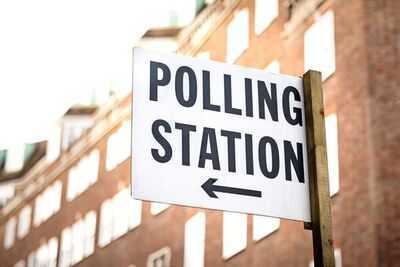
Local elections are taking place in more than 100 councils across the UK on Thursday, giving you the chance to impact vital local decision-making on everything from schools and bin collections to bus timetables and leisure centres.
It is the largest set of ballots since the 2024 General Election, with voters in Scotland and Wales electing representatives to their national parliaments and other areas in England choosing mayors. About 5,000 seats across 136 local councils will be up for grabs this time around - but if you are not sure what your vote is for, who you are voting for or why it matters, the below could be useful.
Local government is complicated in the UK, and there are several tiers of councils.
In essence, councils run local services such as libraries, leisure centres and parks. But they also oversee bin collections, recycling, planning regulations and roads, schools, and even social care. They are the most direct form of government for most of your day-to-day life.
Many parts of England have two tiers of local government:
- County councils
- District, borough or city councils
In some parts of the country, there is just one unitary tier of local government providing all the local services. The three main types are:
- Unitary authorities in shire areas
- London boroughs
- Metropolitan boroughs
County councils are responsible for services across the whole of a county, such as:
- Education
- Transport
- Planning
- Fire and public safety
- Social care
- Libraries
- Waste management
- Trading standards
District, borough and city councils cover a smaller area than county councils. They are usually responsible for services like:
- Rubbish collection
- Recycling
- Council tax collections
- Housing
- Planning applications
In London and metropolitan areas, fire, police and public transport services are also provided through joint authorities, such as the Greater London Authority.
The full council - a meeting of all council members - is responsible for all decisions. But in practice, most of the work is given to smaller groups of councillors or council officers, who are paid staff.
Many councils have a civic mayor or chairman of the council. They carry out ceremonial duties and chair meetings, but cannot make decisions about council business.
Some councils have an elected mayor. They are responsible for the day-to-day running of local services.
Many local councils provide information on their websites to show how they spend their budget.
-
From Air Force To Corporate And Politics: Who Was Chandranath Rath?

-
Fake Number Plate, Erased Chassis: Tampered Car At Centre Of Suvendu Adhikari Aide's Murder
-
Discover Shimla's Unique Pet-Friendly Café and Exciting Events in Chandigarh

-
Exploring the Multifaceted Creativity of Shiv Tandan

-
Indian investors poured over 3L/cr as foreign funds withdrew 2L/cr