A sharp fall in global crude oil prices on May 6 has sparked fresh hopes that petrol and diesel prices in India may avoid an immediate hike. Brent crude and WTI crude both witnessed a major decline during afternoon trading after reports suggested that tensions between the United States and Iran could ease soon. However, despite the sudden correction in crude prices, experts believe Indian fuel prices may still rise in the coming weeks.
The development comes at a crucial time when government-owned oil marketing companies (OMCs) are already facing mounting pressure due to rising input costs and prolonged price stability in the domestic market.
Brent and WTI Crude Witness Sharp FallGlobal oil markets saw intense volatility on May 6 after signs emerged that the ongoing geopolitical conflict involving the United States and Iran could move toward de-escalation.
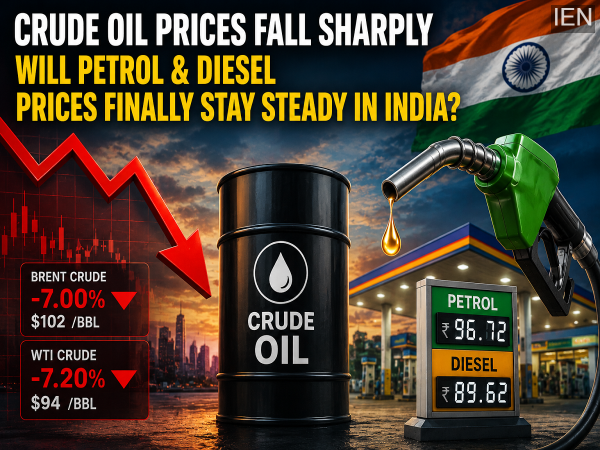
Brent crude prices reportedly plunged nearly 7 percent during afternoon trade, falling close to 102 dollars per barrel. Meanwhile, West Texas Intermediate (WTI) crude dropped more than 7 percent and slipped near 94 dollars per barrel.
The sudden crash followed comments linked to former US President Donald Trump and reports indicating that “Operation Epic Fury” may have concluded, raising hopes of reduced military tensions between the two nations. Investors interpreted the development as a signal that oil supply disruptions in the Middle East may ease.
The impact was visible across global financial markets. Indian stock markets also reacted positively, with the Sensex surging nearly 1,000 points during intraday trading. At the same time, investors rushed toward safe-haven assets such as gold and silver, causing precious metal prices to climb sharply.
Why Crude Oil Matters for IndiaIndia imports a large portion of its crude oil requirements from global markets. Because of this dependence, fluctuations in international crude prices directly affect the country’s fuel costs.
When crude oil prices rise significantly, oil marketing companies often face pressure because they either have to absorb the increased cost or pass it on to consumers through higher petrol and diesel prices.
Although crude prices have fallen sharply in a single session, experts note that current oil prices are still considerably higher than levels seen before tensions escalated in the Middle East.
Petrol and Diesel Prices Still UnchangedDespite months of elevated crude prices, government-owned oil companies have so far avoided increasing regular petrol and diesel prices in India.
Following the completion of assembly elections in four states, market observers expected fuel prices to rise. However, even after nearly two months of geopolitical tensions between the US and Iran, retail fuel prices have largely remained unchanged.
This delay in price revision has raised questions over how long oil companies can continue selling fuel at existing rates while absorbing higher crude procurement costs.
Oil Companies Reportedly Facing Heavy LossesAccording to market estimates, public sector oil marketing companies are currently suffering losses of more than ₹25 per litre on petrol and diesel sales.
The reason lies in the steep rise in crude oil prices over recent months. On February 28, crude oil was trading near 72 dollars per barrel. Later, prices surged sharply and reportedly touched around 115 dollars per barrel during the peak of geopolitical tensions.
However, domestic fuel prices were not revised in proportion to the increase. As a result, oil companies have continued selling petrol and diesel at older retail prices despite paying significantly more for crude imports.
Analysts say this pricing gap has created major financial stress for fuel retailers.
IMF Signals Fuel Price Hike May Be NecessaryAdding to the pressure, the International Monetary Fund (IMF) has reportedly indicated that India may eventually need to revise petrol and diesel prices upward if global crude prices remain elevated.
Experts argue that oil marketing companies cannot absorb such heavy under-recoveries indefinitely. If international crude remains expensive for an extended period, domestic fuel prices may eventually need adjustment to restore balance.
The IMF has reportedly observed that keeping petrol and diesel prices artificially stable for too long may not be financially sustainable given the sharp rise in crude import costs.
Can Petrol and Diesel Still Become Costlier?Even though crude prices fell sharply on May 6, analysts warn that the decline alone may not guarantee relief for consumers.
Brent crude is still hovering close to 100 dollars per barrel, which remains significantly higher than the price level seen before geopolitical tensions intensified in the Middle East. Compared to pre-conflict levels, crude prices are still nearly 50 percent higher.
This means oil companies are still purchasing crude at expensive rates despite the recent correction. As a result, the financial burden on fuel retailers continues to remain substantial.
Experts believe that unless crude prices remain consistently lower for a sustained period, oil marketing companies may still increase petrol and diesel prices in India in order to reduce mounting losses.
What Consumers Should Expect AheadFor consumers, the current situation remains uncertain. A temporary fall in crude oil prices may reduce immediate pressure, but long-term fuel price stability will depend on several factors, including:
- Future developments in US-Iran relations
- Stability in Middle East oil supply
- Global demand conditions
- Government policy decisions
- Financial health of oil marketing companies
If crude oil continues to trade near or above 100 dollars per barrel, the possibility of petrol and diesel becoming more expensive in India cannot be ruled out.
For now, consumers may get temporary relief from the recent correction in crude prices, but market experts believe the risk of a future fuel price hike still remains very much alive.
-
Top 5 Mistakes First‑Time Gold Loan Borrowers Make

-
Why More People Are Rethinking Where (And How) They Want To Live Later In Life

-
Understanding Gold Loan Per Gram: A Beginner's Guide to Quick Cash

-
Why We're Finally Taking Sleep Seriously (And Not Just Talking About It)

-
US forces strike Iranian-flagged unladen oil tanker