Every person carries a hidden narrative shaped by their experiences, emotions, and struggles. Even in moments of silence or pain, there is a voice waiting to be expressed. It emphasizes that suffering is not empty; it holds meaning, depth, and untold stories. Often, people suppress their thoughts due to fear, doubt, or vulnerability, but those unspoken feelings form a powerful story. Writing becomes a way to release that inner truth, transforming silence into expression.
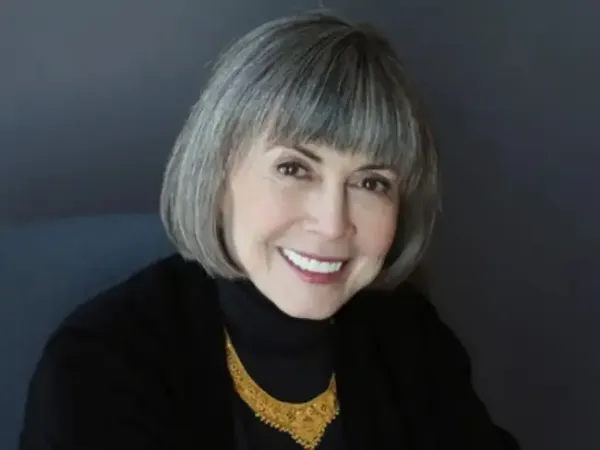
Years ago, writer Anne Rice wrote about how each of us represent an untold story.
What Anne Rice Said About Each Of Us Having A Great Story In Us
In her 1998 novel Pandora, she wrote: “You do have a story inside you; it lies articulate and waiting to be written — behind your silence and your suffering.”
Deeper Meaning Behind This Quote
This quote reflects the idea that every individual carries a deeply personal narrative shaped by their experiences, emotions, and hardships. It suggests that even when someone remains silent, their inner world is rich with thoughts and feelings that are waiting to be expressed. Suffering, rather than being meaningless pain, becomes a source of depth and authenticity, adding layers to one’s untold story. The phrase “lies articulate” implies that this inner story already has clarity and form—it only needs courage and honesty to be brought into the open. Often, fear, self-doubt, or vulnerability keeps people from sharing their truth. The quote encourages introspection and expression, reminding us that writing or speaking can transform hidden pain into something meaningful, powerful, and even healing—for both ourselves and others.
Relevance Of This Quote
The relevance of this quote lies in its powerful reminder that every person’s experiences matter, even when they remain unspoken. In today’s fast-paced world, many people suppress their emotions due to fear of judgment or rejection. This quote highlights that silence often hides profound stories shaped by struggle, resilience, and growth. It is especially meaningful in an age where mental health awareness is growing, encouraging individuals to express rather than bury their feelings.
By acknowledging that suffering holds untapped meaning, the quote inspires people to transform pain into creativity, healing, and connection. It also reinforces the idea that storytelling—whether through writing, art, or conversation—can be deeply therapeutic. Ultimately, its relevance lies in empowering individuals to find their voice, embrace vulnerability, and recognize that their untold story has the potential to inspire and impact others.
Years ago, writer Anne Rice wrote about how each of us represent an untold story.
What Anne Rice Said About Each Of Us Having A Great Story In Us
In her 1998 novel Pandora, she wrote: “You do have a story inside you; it lies articulate and waiting to be written — behind your silence and your suffering.”Deeper Meaning Behind This Quote
This quote reflects the idea that every individual carries a deeply personal narrative shaped by their experiences, emotions, and hardships. It suggests that even when someone remains silent, their inner world is rich with thoughts and feelings that are waiting to be expressed. Suffering, rather than being meaningless pain, becomes a source of depth and authenticity, adding layers to one’s untold story. The phrase “lies articulate” implies that this inner story already has clarity and form—it only needs courage and honesty to be brought into the open. Often, fear, self-doubt, or vulnerability keeps people from sharing their truth. The quote encourages introspection and expression, reminding us that writing or speaking can transform hidden pain into something meaningful, powerful, and even healing—for both ourselves and others.Relevance Of This Quote
The relevance of this quote lies in its powerful reminder that every person’s experiences matter, even when they remain unspoken. In today’s fast-paced world, many people suppress their emotions due to fear of judgment or rejection. This quote highlights that silence often hides profound stories shaped by struggle, resilience, and growth. It is especially meaningful in an age where mental health awareness is growing, encouraging individuals to express rather than bury their feelings. By acknowledging that suffering holds untapped meaning, the quote inspires people to transform pain into creativity, healing, and connection. It also reinforces the idea that storytelling—whether through writing, art, or conversation—can be deeply therapeutic. Ultimately, its relevance lies in empowering individuals to find their voice, embrace vulnerability, and recognize that their untold story has the potential to inspire and impact others.