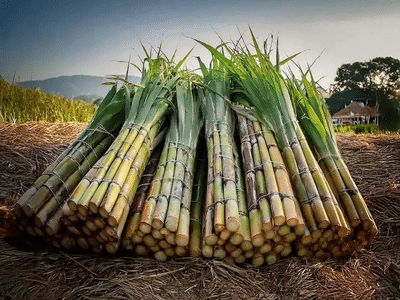
As petrol and diesel prices continue to remain a major concern for consumers, India is rapidly increasing its focus on ethanol blending to reduce fuel imports and promote cleaner energy sources. The government has been actively working toward its target of blending 20% ethanol with petrol, a move expected to benefit both the environment and the economy.
One of the biggest questions people often ask is: how much ethanol can actually be produced from sugarcane?
Here’s a detailed look at ethanol production, its benefits, and why it is becoming increasingly important for India’s energy future.
What Is Ethanol?Ethanol is a type of biofuel produced mainly from agricultural products such as sugarcane, maize, and other biomass sources.
It is considered a cleaner alternative to traditional fossil fuels because it burns more efficiently and produces comparatively lower harmful emissions.
Ethanol is commonly blended with petrol to:
- Reduce pollution
- Lower crude oil dependence
- Improve fuel sustainability
- Support renewable energy goals
The ethanol production process from sugarcane involves multiple stages.
Step 1: Extracting Juice or MolassesFirst, juice or molasses is extracted from sugarcane during sugar production.
Step 2: FermentationThe extracted material undergoes fermentation, where sugars are converted into alcohol using yeast and microorganisms.
Step 3: DistillationThe fermented liquid is then purified through distillation to produce ethanol suitable for fuel blending.
This process allows sugar mills and distilleries to convert agricultural resources into renewable fuel.
How Much Ethanol Comes From 1 Ton of Sugarcane?On average, approximately 70 to 85 liters of ethanol can be produced from one ton of sugarcane.
However, the exact quantity depends on several factors, including:
- Sugar content in the crop
- Quality of sugarcane
- Type of processing technology used
- Efficiency of the distillery
- Moisture and recovery rates
Higher-quality sugarcane with better sugar concentration can lead to greater ethanol production.
Why India Is Increasing Ethanol BlendingIndia has been aggressively expanding ethanol blending programs in recent years.
The main objectives include:
- Reducing crude oil imports
- Lowering fuel costs over time
- Supporting farmers
- Promoting cleaner energy
- Reducing carbon emissions
Because India imports a large portion of its crude oil requirements, ethanol blending is seen as an important step toward improving energy security.
Ethanol Helps Reduce Dependence on Imported OilOne of the biggest advantages of ethanol blending is reduced dependence on imported crude oil.
When ethanol is mixed with petrol:
- Fuel imports can decrease
- Foreign exchange spending may reduce
- Domestic energy production strengthens
- Oil price shocks may have lower impact
Experts say this can help improve long-term energy stability for the country.
Cleaner Fuel Means Lower PollutionEthanol is also considered more environmentally friendly than conventional fuels.
Compared to pure petrol or diesel, ethanol-blended fuel can help reduce:
- Carbon monoxide emissions
- Harmful exhaust pollutants
- Greenhouse gas emissions
Because of this, ethanol blending has become part of broader climate and sustainability strategies globally.
Technology Can Increase Ethanol Production FurtherExperts believe technological improvements can significantly increase ethanol production efficiency in the future.
Modern distillation and processing systems can help:
- Improve recovery rates
- Reduce wastage
- Increase production output
- Lower manufacturing costs
Advanced biofuel technology may also allow ethanol production from agricultural waste and crop residue, further expanding renewable fuel sources.
Big Opportunity for Sugarcane FarmersThe rise in ethanol demand is also creating new opportunities for farmers.
Higher ethanol production means:
- Increased demand for sugarcane
- Better income potential for farmers
- More stable agricultural markets
- Additional revenue streams for sugar mills
Experts say the ethanol sector could play an important role in strengthening rural economies and agricultural sustainability.
India’s 20% Ethanol Blending GoalThe Indian government has been pushing toward achieving a 20% ethanol blending target in petrol.
This initiative is expected to:
- Reduce environmental impact
- Improve energy independence
- Support domestic agriculture
- Encourage renewable fuel adoption
Oil marketing companies and sugar industries are also rapidly expanding infrastructure to support higher blending levels.
Ethanol Becoming a Key Part of India’s Energy FutureEnergy experts believe ethanol will play a major role in India’s transition toward cleaner and more sustainable fuel systems.
Its growing importance is linked to:
- Rising fuel demand
- Environmental concerns
- Global oil price volatility
- Renewable energy expansion
While ethanol alone may not completely replace fossil fuels, it is increasingly being viewed as an important bridge toward a cleaner and more energy-secure future.
As technology improves and production capacity expands, ethanol blending is expected to become an even bigger part of India’s fuel strategy in the coming years.
-
Recipe : Don’t throw away the leftover stale rice, make crispy bhaji from it, note down the recipe

-
Google Fitbit Air: Google Health App And Health Coach AI To Unify, Tracks Wellness, Medical Data, And Presonalised Data—Check Pricing And All Details

-
Double bang of OnePlus in India! 8,000mAh battery and Snapdragon processor… read the price of the smartphone and you will say, wow!

-
Are your Instagram DMs safe? Why is end-to-end encryption suddenly shut down worldwide?

-
Etihad Stadium Name Change: Why Manchester City Are Changing Their Home Stadium Name After 15 Years Ahead of Brentford Clash