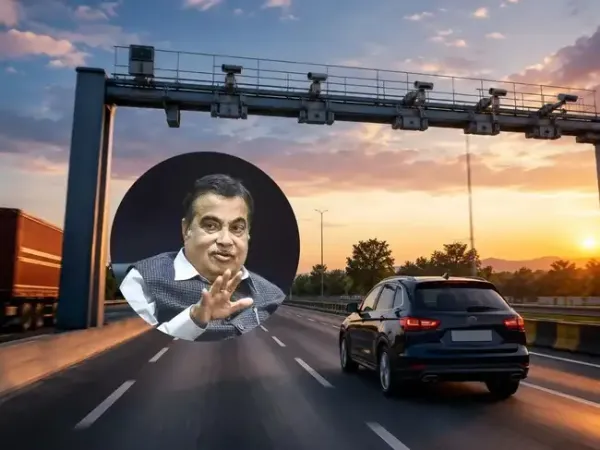
Drivers on India’s highways may soon pass toll points without slowing down or stopping. Union minister Nitin Gadkari said the government is working towards removing physical toll plazas across the country by the end of 2026 and replacing them with a fully automated system that charges vehicles based on the distance travelled.
Speaking at the Times Drive Auto Summit & Awards 2026, Gadkari said the upcoming system will rely on number plate recognition technology and FASTag-linked payments. According to him, the model has already been introduced at 85 toll locations.
“Drive at 80 kmph without stopping. We will capture your number plate and FASTag details, and the toll amount will be automatically deducted from your bank account based on kilometres travelled,” Nitin Gadkari said at Times Drive Auto Summit and Awards 2026.
As vehicles pass through, the system will automatically identify the vehicle and deduct the toll amount digitally. Motorists would not need to stop, roll down windows or wait in long queues.
The government believes the new setup can reduce congestion on highways, improve travel speeds and cut fuel wastage caused by stop-and-go traffic near toll plazas.
Officials believe physical booths are becoming outdated for modern highways carrying heavy traffic. Delays at toll plazas not only increase travel time but also lead to higher fuel consumption and frequent arguments between commuters and toll staff.
The new automated system aims to make toll collection almost invisible for drivers, similar to electronic parking or metro card systems.
The government has already stated that unpaid MLFF toll charges may attract double penalties if payment is not completed within 72 hours.
Motorists may therefore need to ensure that their FASTag accounts remain active, properly linked and sufficiently funded.
If implemented nationwide, the system could significantly change long-distance road travel in India. For regular drivers, the biggest difference may be uninterrupted highway movement without repeated braking near toll booths.
Commercial transport operators may also benefit through more predictable travel schedules, lower fuel expenses and smoother logistics operations.
Alongside toll reforms, Gadkari said work is continuing on major highway corridors connecting Delhi with cities including Jaipur, Dehradun, Amritsar, Katra and Srinagar, besides the Delhi-Chennai and Chennai-Bengaluru routes.
Speaking at the Times Drive Auto Summit & Awards 2026, Gadkari said the upcoming system will rely on number plate recognition technology and FASTag-linked payments. According to him, the model has already been introduced at 85 toll locations.
“Drive at 80 kmph without stopping. We will capture your number plate and FASTag details, and the toll amount will be automatically deducted from your bank account based on kilometres travelled,” Nitin Gadkari said at Times Drive Auto Summit and Awards 2026.
Barrier-free tolling system explained
The proposed change revolves around the MLFF or Multi-Lane Free Flow tolling system. Instead of toll booths and barriers, highways will have overhead gantries fitted with cameras, sensors and FASTag scanners.As vehicles pass through, the system will automatically identify the vehicle and deduct the toll amount digitally. Motorists would not need to stop, roll down windows or wait in long queues.
The government believes the new setup can reduce congestion on highways, improve travel speeds and cut fuel wastage caused by stop-and-go traffic near toll plazas.
Toll charges may become cheaper
Gadkari also indicated that the new model could lower toll costs for many commuters. According to him, charges at certain stretches that currently range between Rs 125 and Rs 150 may come down to nearly Rs 15 under the distance-based mechanism.Why the government wants toll plazas removed
Even after the rollout of FASTag, toll points continue to witness long traffic lines during rush hours, especially on busy expressways and freight corridors.Officials believe physical booths are becoming outdated for modern highways carrying heavy traffic. Delays at toll plazas not only increase travel time but also lead to higher fuel consumption and frequent arguments between commuters and toll staff.
The new automated system aims to make toll collection almost invisible for drivers, similar to electronic parking or metro card systems.
FASTag will remain important
Although toll booths may disappear, FASTag will continue to play a key role in the new system. Vehicles with inactive FASTags, low balance or unreadable details may receive digital notices asking owners to clear pending toll amounts.The government has already stated that unpaid MLFF toll charges may attract double penalties if payment is not completed within 72 hours.
Motorists may therefore need to ensure that their FASTag accounts remain active, properly linked and sufficiently funded.
What highway users could notice
If implemented nationwide, the system could significantly change long-distance road travel in India. For regular drivers, the biggest difference may be uninterrupted highway movement without repeated braking near toll booths.Commercial transport operators may also benefit through more predictable travel schedules, lower fuel expenses and smoother logistics operations.
Alongside toll reforms, Gadkari said work is continuing on major highway corridors connecting Delhi with cities including Jaipur, Dehradun, Amritsar, Katra and Srinagar, besides the Delhi-Chennai and Chennai-Bengaluru routes.