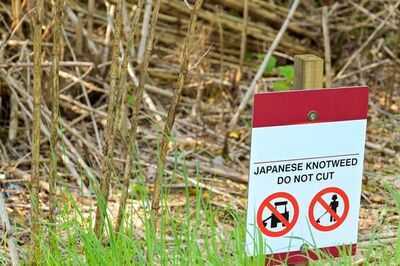
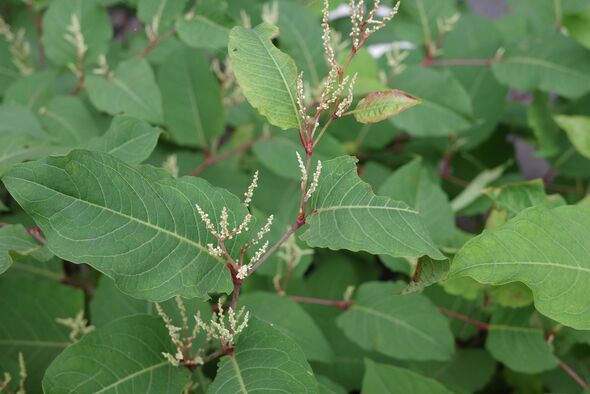
Homeowners are being urged to act quickly as Japanese knotweed enters its most destructive growing phase between April and October. Experts warn it can cause "enormous damage" to buildings, gardens and infrastructure if left unchecked.
The issue was brought to light during an episode of BBC Morning Live on Thursday, May 7, where consumer champion and former BBC Breakfast presenter Louise Minchin joined hosts Greg Rutherford and Helen Skelton to discuss the plant as it surges during its peak growing season. Minchin explained that Japanese knotweed is now rapidly re-emerging after lying dormant throughout winter, making spring and summer the most crucial period for identification and control.
The plant was first brought to the UK in the mid-19th century as an ornamental Victorian garden species before transforming into one of the nation's most destructive invasive plants. The Royal Horticultural Society states that Japanese knotweed is now classified as an invasive non-native species that spreads rapidly through underground rhizomes and is extraordinarily difficult to eliminate once it takes hold.
Experts warned it can force its way through patios, pavements, drains and brickwork, with Minchin describing it as a plant that can "turn your life upside down" if not tackled early.
The Environment Agency has previously warned that even the smallest fragments can regrow, meaning the risk of spreading intensifies during active growth when homeowners may attempt to remove it themselves.
Property specialists say the plant remains one of the most significant concerns in the UK housing market, with mortgage lenders frequently declining loans where knotweed is present unless a professional management plan has been established.
Research from the Property Care Association indicates that treatment programmes can span several years and run into thousands of pounds, particularly when infestations are left to spread unchecked.
The plant's underground rhizome system can reach up to three metres deep and several metres wide, enabling it to regrow even after apparent eradication and making summer growth particularly challenging to manage.
Minchin also cautioned that disposal is strictly regulated in the UK, with contaminated material classified as controlled waste that must be handled by licensed carriers to prevent further proliferation.
Legal specialists also note that sellers are obliged to declare Japanese knotweed on property forms, with failure to do so potentially resulting in misrepresentation claims and costly disputes over property values.
The Property Litigation Association warns that undisclosed cases can lead to substantial legal costs where knotweed affects sales or necessitates remedial work.
Specialist surveys and trained detection dogs are now being deployed to locate concealed infestations, including underground growth that becomes easier to identify during peak growing periods, experts revealed to Morning Live. The Royal Institution of Chartered Surveyors states that complete eradication is not always achievable, with the majority of cases now centring on long-term management strategies involving herbicide treatment across multiple growing seasons.
Homeowners are being strongly advised to take immediate action should they discover any signs of knotweed during peak growth, as delays can substantially drive up treatment costs and complicate future property transactions.
-
Alert for HDFC Bank Customers! Home Loan EMIs Set to Rise—Find Out How Much Your Costs Will Increase

-
Bank Safety Tips: If Your Wallet or Cash Gets Stolen at a Bank, Follow These 5 Steps Immediately to Protect Your Money

-
Zero Bank Balance Despite a ₹50,000 Salary? Here’s What ‘Zero Saving Syndrome’ Means and How You Can Escape It

-
Dhurandhar 2’s ‘Raw’ Version Set For International Netflix Release On May 14: Report

-
Suryakumar Yadav Set To Lose T20 Captaincy To Shreyas Iyer? BCCI Reportedly Planning Major Leadership Shake-Up