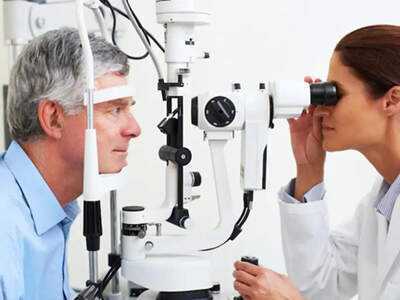
The eyes play a crucial role in our overall health. However, the frequent use of electronic devices like smartphones, computers, and televisions, along with general neglect, can negatively impact our vision. Eye issues often become more pronounced after the age of 40, prompting health professionals to advise regular eye examinations starting at this age.
Why Regular Eye Exams Matter
**Why are Eye Tests Necessary?**
As per the National Health Mission (NHM), the most straightforward and effective method to maintain good eyesight is through regular eye check-ups. Many individuals tend to overlook slight blurriness or difficulty focusing on nearby objects after 40, mistakenly attributing these changes to normal aging. However, early detection through timely examinations can identify serious eye conditions, making treatment more manageable.
Changes in Vision After 40
**Eye Changes After 40**
It is common for vision to change as one ages, particularly after 40. Blurred vision for close-up tasks becomes frequent, and the likelihood of developing conditions like glaucoma and diabetic retinopathy increases. These conditions often progress slowly and may not show immediate symptoms, highlighting the need for regular eye check-ups.
Recommended Frequency for Eye Tests
**How Often Should You Get an Eye Test?**
Experts recommend that everyone over 40 should have a thorough eye examination at least once a year. For those with diabetes, high blood pressure, or a family history of eye diseases, it is advisable to schedule check-ups every six months. Early detection through these examinations can significantly ease the treatment process.
Tips for Maintaining Eye Health
**How to Care for Your Eyes**
Developing healthy habits is vital for eye care. Limit screen time and reduce mobile phone and computer usage. Always ensure adequate lighting when reading and take regular breaks to rest your eyes. A balanced diet rich in fruits and vegetables, such as carrots, spinach, broccoli, oranges, kiwis, almonds, and blueberries, is essential for eye health. These foods are high in Vitamins A, C, and E, lutein, and Omega-3 fatty acids, which are beneficial for maintaining good vision.
Stay Informed
PC Social Media
-
Are you troubled by the craving for sweets? Famous nutritionist told about this magical herbal drink

-
Four zodiac signs that seldom face financial trouble

-
Dananeer Mobeen shares honest views on love and relationships

-
Bhuna Kathal Recipe: Roasted jackfruit tastes very tasty, know its delicious recipe here…

-
Server Says People Who Refuse To Endure Small Talk Should Stay Home