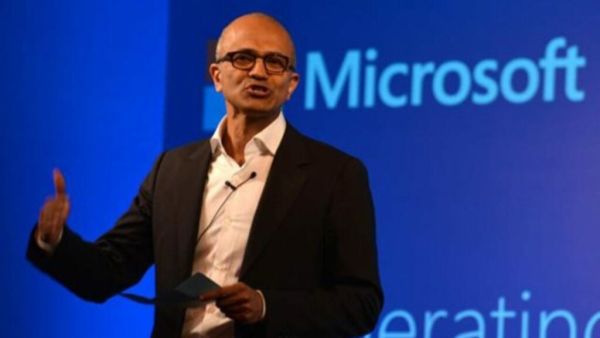
Microsoft has officially disclosed details of its historic voluntary retirement program for thousands of US employees, marking the first large-scale buyout initiative in the company’s 51-year history. The program could impact more than 8,500 workers across the United States as the tech giant tries to manage rising AI infrastructure costs while reducing headcount.
The retirement offer combines healthcare benefits, cash severance payments, and enhanced stock vesting packages for eligible long-serving employees. Reports suggest around 7% of Microsoft’s US workforce qualifies for the program.
Who Is Eligible For The Buyout?
According to internal documents cited in reports, the program is available to Microsoft employees:
- At Level 67 or below
- Whose combined age and years of service total at least 70
Some sales-incentive employees and certain senior roles are reportedly excluded from the offer.
Microsoft currently employs around 125,000 people in the US, meaning nearly 8,750 employees could potentially qualify.
What’s Included In Microsoft’s Buyout Package?
The retirement package includes several major financial and healthcare benefits.
1. Healthcare Coverage For Up To 5 Years
Eligible employees will continue receiving access to:
- Medical insurance
- Dental coverage
- Vision benefits
- Wellness programs
Microsoft will fully cover healthcare costs during the first year. For the remaining four years, employees may continue coverage by paying standard COBRA premiums. Coverage could end earlier if retirees become eligible for Medicare at age 65.
2. Cash Severance Up To 39 Weeks
Employees accepting the buyout will receive lump-sum severance payments based on:
- Seniority
- Employee level
- Years of service
The severance package reportedly ranges from:
- 8 weeks of base pay
- Up to 39 weeks of base salary for longer-serving employees
This effectively gives some workers nearly nine months of salary after leaving the company.
3. Faster Stock Vesting
Microsoft is also accelerating stock award vesting for employees taking the retirement offer.
The company will reportedly provide:
- 6 additional months of stock vesting for most employees
- Up to 12 months for employees with over 24 years of service
Some long-serving workers may even qualify for continued vesting on the original schedule for eligible stock awards.
Why Microsoft Is Offering Buyouts Instead Of Layoffs
The voluntary retirement plan comes as Microsoft dramatically increases spending on AI infrastructure, cloud computing, and global data center expansion.
Reports indicate the company expects massive capital expenditure in 2026 as it competes aggressively in artificial intelligence against Google, Amazon, Meta, and OpenAI.
Microsoft CFO Amy Hood reportedly said the company expects headcount to continue declining into fiscal 2027. The retirement program alone may result in a one-time charge of around $900 million.
AI Is Changing Big Tech Hiring Strategies
The move reflects a broader trend across the tech industry where companies are:
- Slowing hiring
- Automating workflows using AI
- Cutting operating costs
- Restructuring workforce models
Experts say voluntary retirement programs are becoming more attractive than layoffs because they:
- Reduce legal risks
- Improve public perception
- Allow employees to exit voluntarily
- Avoid morale damage caused by forced layoffs
Microsoft alone reportedly cut more than 15,000 jobs last year through traditional layoffs before shifting toward the softer buyout approach this year.
Employees Have 30 Days To Decide
Eligible employees reportedly have 30 days to decide whether to accept the retirement package. Internal memos suggest this may be a one-time offer and not part of a recurring program.
The development highlights how even the world’s largest tech companies are reshaping workforce structures as AI increasingly changes productivity, operations, and long-term business priorities.
-
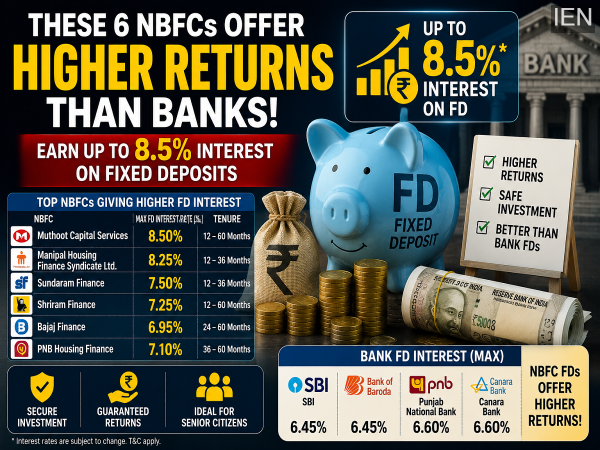
These 6 NBFC FDs Are Offering Higher Returns Than Banks, Earn Up to 8.5% Interest
-
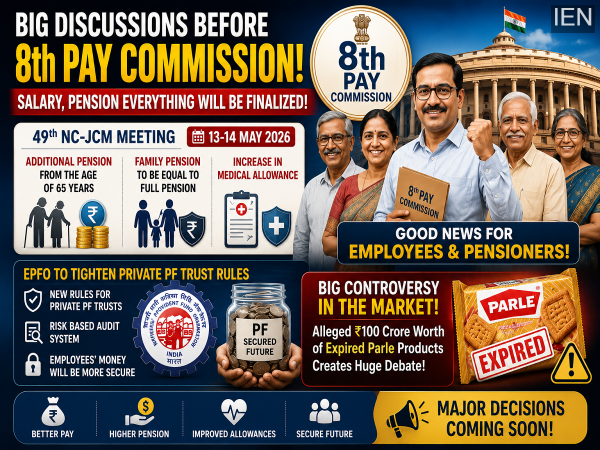
8th Pay Commission Talks Intensify: Major Decisions on Salary, Pension and Allowances Expected Soon
-
Build a Massive Retirement Corpus with NPS, Secure Your Pension and Financial Future

-
Want to Save More Tax? These 4 Investment Options Can Help You Save Lakhs Legally

-
Sohail Khan Announces My Punjabi Nikaah With Sanjay Dutt And Aayush Sharma