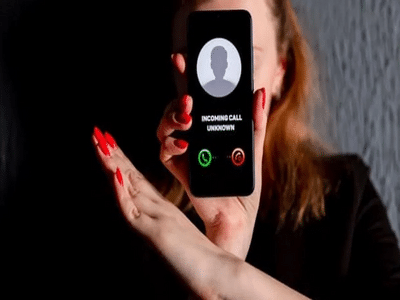
Mobile users across India are increasingly struggling with spam and scam calls as fraudulent calling activities continue rising rapidly. From fake loan offers and KYC verification requests to banking scams and credit card fraud attempts, millions of users are receiving suspicious calls almost daily.
According to recent reports, India ranked fifth globally in spam call volume during 2025, highlighting the growing scale of the problem.
Cybersecurity experts now warn that spam calls are no longer just an annoyance but a serious digital security threat capable of exposing users to financial fraud and identity theft.
Fraudulent Calls Increasing Rapidly Across IndiaAcross the country, users are receiving calls from people pretending to be:
- Bank officials
- Government representatives
- Insurance agents
- Telecom executives
- Financial service providers
Scammers often use fear tactics and fake urgency to trick users into sharing sensitive personal information.
Common claims made during these calls include:
- Bank account suspension warnings
- Pending KYC verification alerts
- Attractive loan offers
- Reward or lottery schemes
- Credit card upgrade proposals
The primary goal of these fraudsters is usually to steal:
- OTPs
- Bank account details
- Debit or credit card information
- Aadhaar details
- Internet banking credentials
Experts say most spam calls in India still originate from aggressive telemarketing campaigns and promotional sales activities.
However, financial scams and cyber fraud calls are now growing at a much faster rate.
Cybercriminals are increasingly targeting unsuspecting users through fake banking and financial service calls designed to gain access to their accounts and personal data.
Automated Systems Making the Problem WorseAccording to reports from Truecaller, spam call operations have become far more sophisticated in recent years.
Earlier, spam calls were mostly made manually. Now, automated calling systems and software can place thousands of calls simultaneously.
Fraudsters also use advanced systems capable of:
- Frequently changing phone numbers
- Masking caller identities
- Rotating international numbers
- Avoiding spam detection systems
This is one reason why users continue receiving spam calls even after blocking earlier numbers.
Why Spam Calls Are Becoming More DangerousCybersecurity experts say modern spam and scam calls are increasingly linked with organized cybercrime networks.
Many scammers now combine:
- Social engineering tactics
- AI-generated voice systems
- Fake customer support identities
- Real-time data leaks
to make fraudulent calls appear more convincing.
Some advanced scam operations can even imitate:
- Bank helpline numbers
- Government department contacts
- Telecom support lines
making it difficult for ordinary users to identify fake calls.
How Users Can Stay SafeExperts recommend several important precautions to reduce the risk of spam-related fraud.
Enable Caller ID and Spam BlockingUsers should activate:
- Caller ID features
- Spam detection systems
- Built-in phone filtering tools
on their smartphones.
Activate DND ServicesTelecom users can enable:
- “Do Not Disturb” (DND) services
through their telecom operators to reduce promotional and telemarketing calls.
Avoid Answering Suspicious CallsExperts strongly advise users to avoid:
- Unknown international numbers
- Calls demanding urgent financial action
- Requests for OTPs or banking details
Banks and government agencies generally do not ask for confidential information over phone calls.
Report Fraudulent NumbersUsers can report suspicious numbers through:
Sanchar Saathi Portal
The portal is operated under the supervision of Telecom Regulatory Authority of India and helps authorities track telecom fraud and cybercrime activities.
Spam Calls Becoming a Major Cybersecurity ThreatTechnology experts warn that spam calls are evolving into a much larger cybersecurity challenge.
As digital banking, UPI payments, and online financial services continue expanding rapidly across India, fraudsters are finding new ways to exploit users through voice-based scams.
Experts believe future scam techniques may become even more dangerous with the use of:
- Artificial intelligence
- Deepfake voice cloning
- Automated scam bots
- Real-time phishing systems
Cybersecurity professionals say awareness remains the most effective protection against spam-related fraud.
Users are advised to:
- Never share OTPs
- Verify caller identities independently
- Avoid clicking suspicious links sent during calls
- Regularly monitor bank transactions
- Keep mobile security apps updated
With millions of Indians increasingly dependent on smartphones and digital banking, authorities and cybersecurity experts say vigilance is becoming more important than ever.
-
Tempo Traveller hits car in Moodubidire; passengers escape safely

-
Man arrested for stealing police vehicle from station compound in Kerala's Kannur

-
Senior Sri Lankan Buddhist monk arrested in sexual abuse case involving minor

-
'I tried nine chocolate caterpillar cakes and there was one clear winner'

-
Tragic Incident at Naming Ceremony Claims Life of 9-Year-Old in Kasganj