
The Met Office has warned that you should be careful when pruning or hedge-cutting this summer - and to keep an eye out for one thing. With the weather getting warmer, it's crucial to closely monitor your garden for any changes.
May is a key month for birds to nest, and the Met Office has warned that Brits need to watch out for bird eggs. It's important to know what to do if you see any in your garden as there are laws that apply. Most gardeners might not be aware of the rules around bird eggs, but making you 're-in-the-know is crucial for wildlife.
UK furniture retailer plunges into administration - in business for 150 years
Households paid to take bottles back to Tesco, Asda, Morrisons or Sainsbury's

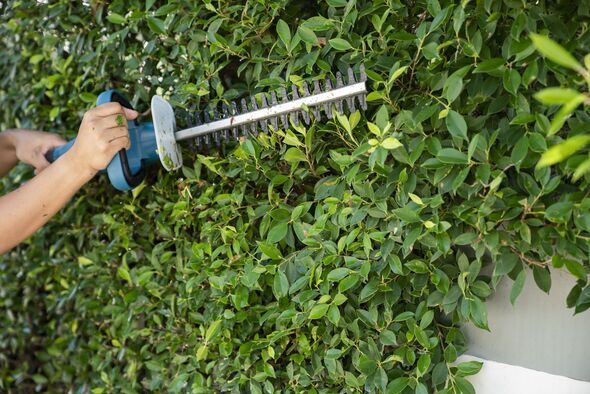
The Met Office says: "As wild birds, their eggs and nests are protected by law, it is vital to check that any operations such as pruning or hedge-cutting don't cause a disturbance that would cause birds to abandon their nests.
"As puddles are drying up thirsty broods will appreciate the supply of additional water. The RHS has lots of advice on avoiding disturbance to nesting birds."
If you are planning on pruning or hedge-cutting, make sure to take extra care this month so as to project any wildlife in your garden.
The Woodland Trust has shared some advice for spotting eggs and for identifying what type of birds they could be from.
It says bird egg shells are made of calcium carbonate and so the default colour is white but other pigments can create different colours and patterns.
It adds: "If you find egg remnants on the ground, they're likely to have been taken away by parent birds so they don't attract predators.
"Please remember not to disturb breeding birds - it's against the law to take their eggs."
Birds that build their nests in trees and shrubs (like dunnock and blackbird) generally have blue or greenish eggs, either spotted or unspotted.
The Woodland Trust says eggs of hole-nesting birds are generally white or pale blue so that the parent birds can easily locate them and avoid breaking them.
Birds that lay their eggs in the open and on the ground rely on camouflage so usually produce brown or speckled eggs.
If you spot bird eggs in your garden, the best thing you can do is not touch them so make sure to take extra care when completing your gardening jobs this summer.
-
Arrests Mount To 11 In Odisha Mob Lynching Case As Minister Vows Exemplary Action

-
India Implements Major Reforms with New Labour Codes

-
KKR's Remarkable Comeback in IPL 2026: Can They Secure a Playoff Spot?

-
Massive Drug Seizure at Delhi Airport: Nearly 35 Kilograms of Marijuana Confiscated

-
HPSCB Job Alert: Recruitment Notification Issued for 91 Junior Clerk Posts; Applications to Begin on This Date..