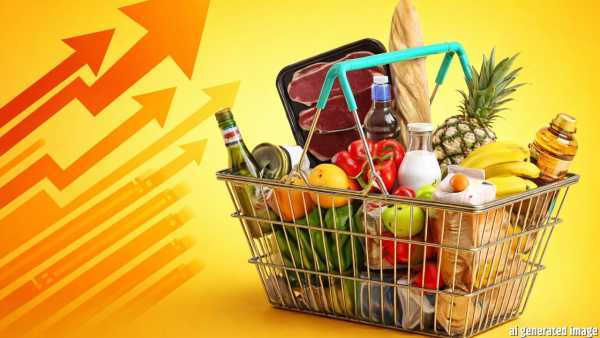
Domestic FMCG company Dabur India, which makes Vatika shampoo, may increase prices in the first quarter of fiscal 2027. Dabur recorded an annual increase of 15.75 percent in its consolidated net profit in the fourth quarter of FY 2026. This increase was mainly due to a broad increase in volumes, although inflation challenges remained.
Dabur's Global Chief Executive Mohit Malhotra said that another round of price hike is expected in the next quarter. The reason for this is the continuously increasing inflationary pressure, especially in the prices of packaging materials, which is increasing due to the ongoing tension in the Middle East. Dabur has increased the prices by about 4 percent in the current quarter itself.
Dabur is not the only company. The country's largest FMCG company HUL and other big companies of the country are also facing inflationary pressure due to huge increase in the cost of components and packaging. India's FMCG sector ended the fourth quarter of FY 2026 in a largely positive mood.
Demand improved, especially in rural markets, with volume growth strong across many categories. And comments from the management of big companies indicated that the worst of the slowdown in consumption is probably over. But the earnings season also revealed another trend that could matter even more for households over the next few quarters, and that is the continuing pressure of input costs.
Inflation pressure remains
From edible oil and milk products to packaging material and freight costs, many FMCG companies have indicated that inflationary pressures either persist or have started to reemerge. This concern has increased even more because instability continues in West Asia. There was again firing between Iran and America on Thursday, while the ceasefire was in force. Due to this, fear has again arisen regarding interruption in energy supply and fluctuations in crude oil prices.
If you add to this the tension in the Middle East, the possibility of a prolonged increase in the prices of petrol and diesel and the possibility of a below average monsoon, then your household budget is sure to deteriorate. Also, the full impact of the economic disruption caused by the Middle East conflict and closure of the Strait of Hormuz in the last quarter had not yet been revealed.
Effect of crude oil prices
For India, higher crude oil prices are ultimately not limited to petrol pumps only, but their impact is much wider. Crude oil-related inflation affects the costs of transportation, packaging, chemicals and manufacturing, which determine the prices of everyday household products. Fourth quarter results and comments from companies like Hindustan Unilever, Nestle India, Marico, Dabur India, ITC, Britannia Industries and Godrej Consumer Products indicate that the FMCG industry, despite recovery in demand, is bracing itself for a tougher cost environment.
One of the clearest trends in the fourth quarter results season was the improvement in rural demand. Many FMCG companies reported better volume growth from smaller towns and villages, after a long period of low consumption. This season of results saw real, albeit modest, improvement, but companies were now facing renewed pressure on margins due to commodity and input costs. This combination of improvement in demand and increase in input costs is important because it often becomes the beginning of increase in prices of consumer products.
Inflation pressure on HUL
The fourth quarter performance of FMCG giant Hindustan Unilever (HUL) was considered a clear indication that the consumption environment in India has improved significantly. The company recorded stronger revenue growth and better volume expansion than in the past several quarters. Analysts tracking the company called it one of HUL's best quarters in recent years in terms of demand. Also, commodity inflation in categories like tea, crude oil products and packaging materials remained a matter of concern.
The company indicated that it will continue to use a combination of deliberate pricing changes and cost management methods to protect its margins. This matters because HUL's portfolio includes soaps, detergents, tea, coffee, personal care products and packaged foods, making it one of the clearest indicators of household consumption trends in India.
Input Cost Risk Factor of Nestle India
Nestle India continued to see strong growth in premium categories and urban consumption segments during the fourth quarter. The company's packaged foods and beverages portfolio performed well, and analysts noted that premium products remained the main drivers of growth.
However, analysts point to risks from rising prices of coffee, milk products and packaging materials. Nestle's operational performance remained strong largely because premium products provide more pricing power than mass market essentials. But continued inflation in agricultural products and energy-related inputs could ultimately impact margins and consumer prices.
Marico's trend towards premium segment
In Q4FY26, Marico reported strong revenue growth driven by improving business volumes in India and good momentum internationally. The company said that volume growth in India has strengthened and demand for premium and digital-first brands is continuously increasing. Marico is further clarifying its move away from commodity-based core products towards premium and digital-first categories.
This leading company in the FMCG sector has outlined a growth strategy for the financial year 2027 based on diversification, margin stability and improvement in stable demand. The company said it expects to maintain high single digit volume growth in the India business, while maintaining mid-teens steady currency growth in international markets.
Keeping a close eye on the trend towards higher margin segments and improvement in input costs and demand, Marico's next phase of growth looks to be driven less by its traditional coconut oil business and more by its growing premium segment.
Pressure on Britannia and ITC also
If commodity and energy inflation continues, food-oriented FMCG companies may face particularly strong cost pressures. Britannia Industries reported strong profit growth in Q4FY26, but analysts said inflation in wheat, milk and edible oils remains a key risk factor for the packaged food business.
Despite good profits, the company's shares fell after the results as investors focused on margin stability and future sales growth. ITC's FMCG business is also affected by inflation in agricultural products due to its growing packaged food portfolio. Analysts said food inflation and transportation costs could become major factors for margin performance in the coming quarters.
Is Iran dispute increasing inflation?
The renewed tension between Iran and the US in the Strait of Hormuz has raised concerns about fluctuations in global crude oil prices and disruptions in energy supplies. Following new attacks and military clashes, both sides have accused each other of violating the ceasefire. For India, prolonged fluctuations in crude oil prices can impact FMCG companies in many ways.
Till now the government has countered the impact of the Iran War on crude oil prices by keeping the prices of petrol and diesel artificially low. But if this tension continues for several more weeks, causing further increase in crude oil prices, the government may be forced to increase the prices of petrol and diesel. When diesel prices increase, transportation costs also increase. Plastic packaging and petrochemical products also become expensive, as they are linked to crude oil. Production and distribution expenses also increase.
If these pressures persist, companies may eventually take steps such as increasing prices, reducing product weight, or placing more emphasis on premium products with better margins. This possibility becomes even more important because after a long period of recession in the FMCG industry, now a comprehensive improvement in demand has started to be seen.
Inflation may increase
The fourth quarter results of FY 2026 have shown that India's FMCG sector is going through a phase of change. The demand situation has improved and signs of improvement are also visible in rural areas. But uncertainty in the business environment is also increasing due to global commodity and energy related risks. Most of the big FMCG companies are not giving any indication of any immediate and big increase in prices. However, his comments clearly reflect growing caution regarding profits, production costs and geopolitical instability.
If crude oil prices remain high due to prolonged tensions in West Asia, Indian families may have to pay higher prices not only at petrol pumps but also for everyday consumer products. If the monsoon also remains below normal, then the relief that consumers got from inflation in the last one year may prove to be short-lived.


-
Euphoria grips Chennai as TVK chief Vijay set for historic oath-taking

-
Deepika Kumari leads Indian recurve archery team to dramatic World Cup gold

-
Kingpin in Kochi forged organ donation documents racket arrested in UP

-
Brazil judge suspends law that reduces Bolsonaro's jail term

-
Cultural Heritage of Assam's Singpho Community Gains International Recognition