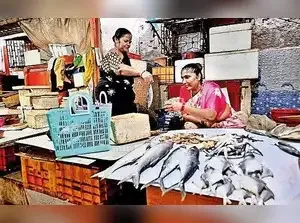
For generations, Mumbai’s Koli women carried baskets of fish through the city’s lanes, selling the day’s catch in a fiercely independent but fragmented trade. Now, they are learning the language of branding, packaging, logistics and consumer trust and turning a centuries-old livelihood into a modern seafood enterprise.
In a report by Times of India's Joeanna Rebello Fernandes, the transformation of Mumbai’s first fish farmer producer organisation, Daryavardi Producer Company Limited (DPCL), captures how traditional Koli commerce is being reshaped into a formal business model led entirely by women.
The strongest thread in the story is not merely that Koli women have formed a company, but that they are attempting something far larger: corporatising a community trade that historically operated informally, while preserving cultural identity and collective ownership.
Founded in April 2023, DPCL is a community-owned seafood company run by Koli women from Mumbai’s fishing villages.
According to the report by ToI, the company now has more than 1,000 shareholders and functions through a network of self-help groups involved in procurement, fish processing, masala-making and ready-to-eat seafood products.
“We didn’t realise that packaging affects shelf life; we always sold fish in polythene bags,” director Pratibha Patil from Juhu Koliwada told ToI. “We’ve now learnt that packaging that is leakproof and attractive is not only more hygienic but can also help us sell more.”
The company’s ambitions extend well beyond packaging. DPCL has introduced centralised logistics, digital ordering systems, branding strategies, retail delivery operations and product diversification: including masalas, pickles, rotis and seafood snacks such as fish chaklis.
“We decided to follow the Amul model, bringing together Koli women to collectively produce and market fish and fish-based products,” founder Ujjwala Patil said, according to the ToI report. “What Amul did for the White Revolution, DPCL will do for the Blue Economy.”
The company began with an initial capital of Rs 1 lakh, contributed by ten women directors who invested Rs 10,000 each. CEO Lalit Jadhav, brought in for his experience in finance and self-help group management, said the company later expanded through shareholder participation from fish vendors across the city.
Today, orders arrive through WhatsApp and Google Forms, with products delivered across Mumbai and Pune through online platforms. Some women work in production units earning daily wages, while others continue independent vending but source fish from DPCL’s wholesale desk at competitive rates.
DPCL has also entered Mumbai’s growing experiential food economy. The women now operate Koli-themed food counters at seafood plazas, festivals and private events, while exploring cloud kitchens and export opportunities.
Brand consultancy Seagull Advertising has been helping build a consumer-facing identity rooted in Koli heritage. “It was a participative, consultative process in which the women weighed in on every decision,” Seagull founder Sameer Desai said.
For many shareholders, however, the project is about more than business expansion. It is also about reclaiming social standing in a city where the original fishing community increasingly feels economically and culturally sidelined.
“There was a time when Koli women held great sway in the city; no one messed with us,” shareholder Archana Koli from Worli told ToI. “Now, people will respect our name again.”
(With inputs from ToI's Joeanna Rebello Fernandes)
In a report by Times of India's Joeanna Rebello Fernandes, the transformation of Mumbai’s first fish farmer producer organisation, Daryavardi Producer Company Limited (DPCL), captures how traditional Koli commerce is being reshaped into a formal business model led entirely by women.
The strongest thread in the story is not merely that Koli women have formed a company, but that they are attempting something far larger: corporatising a community trade that historically operated informally, while preserving cultural identity and collective ownership.
Founded in April 2023, DPCL is a community-owned seafood company run by Koli women from Mumbai’s fishing villages.
According to the report by ToI, the company now has more than 1,000 shareholders and functions through a network of self-help groups involved in procurement, fish processing, masala-making and ready-to-eat seafood products.
From fish stalls to formal business
At a recent workshop at the Indian Institute of Packaging (IIP), the women — many attending such training for the first time — learnt how modern packaging can directly influence shelf life, pricing and consumer confidence.“We didn’t realise that packaging affects shelf life; we always sold fish in polythene bags,” director Pratibha Patil from Juhu Koliwada told ToI. “We’ve now learnt that packaging that is leakproof and attractive is not only more hygienic but can also help us sell more.”
The company’s ambitions extend well beyond packaging. DPCL has introduced centralised logistics, digital ordering systems, branding strategies, retail delivery operations and product diversification: including masalas, pickles, rotis and seafood snacks such as fish chaklis.
“We decided to follow the Amul model, bringing together Koli women to collectively produce and market fish and fish-based products,” founder Ujjwala Patil said, according to the ToI report. “What Amul did for the White Revolution, DPCL will do for the Blue Economy.”
The company began with an initial capital of Rs 1 lakh, contributed by ten women directors who invested Rs 10,000 each. CEO Lalit Jadhav, brought in for his experience in finance and self-help group management, said the company later expanded through shareholder participation from fish vendors across the city.
Today, orders arrive through WhatsApp and Google Forms, with products delivered across Mumbai and Pune through online platforms. Some women work in production units earning daily wages, while others continue independent vending but source fish from DPCL’s wholesale desk at competitive rates.
Branding the Koli identity
The company generated revenue of Rs 20 lakh in the last quarter of 2026 alone, ToI noted.DPCL has also entered Mumbai’s growing experiential food economy. The women now operate Koli-themed food counters at seafood plazas, festivals and private events, while exploring cloud kitchens and export opportunities.
Brand consultancy Seagull Advertising has been helping build a consumer-facing identity rooted in Koli heritage. “It was a participative, consultative process in which the women weighed in on every decision,” Seagull founder Sameer Desai said.
For many shareholders, however, the project is about more than business expansion. It is also about reclaiming social standing in a city where the original fishing community increasingly feels economically and culturally sidelined.
“There was a time when Koli women held great sway in the city; no one messed with us,” shareholder Archana Koli from Worli told ToI. “Now, people will respect our name again.”
(With inputs from ToI's Joeanna Rebello Fernandes)