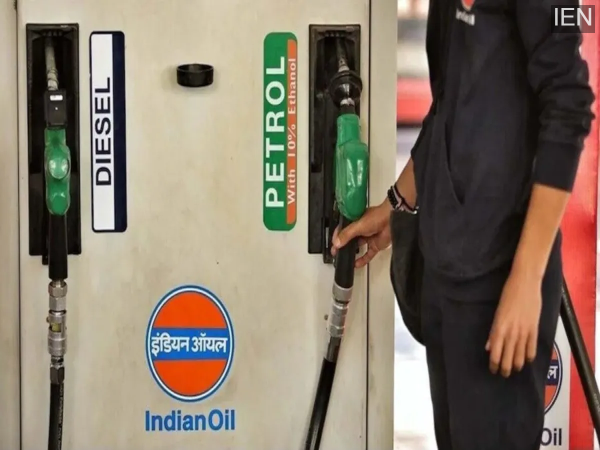
Fuel prices in India could soon witness another increase as global crude oil prices continue to surge sharply amid rising geopolitical tensions. With Brent crude reportedly crossing the $100 per barrel mark once again, pressure is mounting on the government and state-owned oil marketing companies (OMCs), which are currently bearing massive losses by keeping retail fuel prices unchanged.
According to media reports, petrol and diesel prices may be revised upward before May 15, 2026, especially after the completion of recent state assembly elections. Although there has been no official confirmation yet, reports suggest the government may soon take difficult economic decisions due to the growing financial burden on oil companies.
Why Fuel Prices Could Increase Soon
The recent spike in global crude oil prices is being seen as the main reason behind the possible fuel price hike in India.
Reports indicate that the ongoing tensions and conflict involving the United States and Iran, which reportedly escalated on February 28, have significantly impacted international oil markets.
Before the conflict intensified, crude oil prices were reportedly around $72 per barrel on February 27. Since then, Brent crude prices have surged sharply and are now trading above $100 per barrel.
This sharp rise has increased import costs for countries heavily dependent on crude oil imports, including India.
India Yet to Raise Retail Fuel Prices
Despite rising global crude prices, India remains one of the few major economies that has not significantly increased retail petrol and diesel prices during the recent oil market surge.
According to reports, several countries have already raised fuel prices considerably.
Countries That Have Increased Petrol Prices
Countries such as:
- China
- United Kingdom
- Norway
- Germany
- Netherlands
have reportedly increased petrol prices by up to 27%.
Meanwhile:
- Japan
- South Korea
- Spain
- Italy
have reportedly implemented fuel price hikes exceeding 30%.
India, however, has so far avoided major retail fuel revisions despite mounting pressure.
Oil Companies Facing Heavy Losses
State-owned oil marketing companies are reportedly suffering major financial losses due to selling petrol and diesel below actual cost prices.
According to estimates:
- Oil companies are losing around ₹30 per litre on diesel
- Around ₹24 per litre loss is being incurred on petrol
Reports suggest these losses have continued for nearly 70 days.
The combined financial burden on government-run OMCs reportedly reached around ₹30,000 crore by the end of April 2026.
Experts estimate that if global crude prices remain elevated, the total losses could rise to nearly ₹50,000 crore by the end of June.
Government Already Reduced Excise Duty Earlier
To provide relief to consumers in the past, the government had earlier reduced excise duty on petrol and diesel.
However, this move reportedly resulted in a revenue impact of nearly ₹1.7 lakh crore on government finances.
Now, with international crude prices rising sharply again, maintaining stable retail fuel prices is becoming increasingly difficult.
LPG and Gas Losses Also Rising
Apart from petrol and diesel, government energy companies are also reportedly facing losses in the sale of cooking gas and other fuel products.
Reports indicate that losses related to selling gas below cost price may already be nearing ₹20,000 crore.
This growing financial pressure is one of the key reasons experts believe fuel price revisions may soon become unavoidable.
India’s Fuel Import Dependence Remains High
India remains heavily dependent on imported crude oil to meet domestic energy demand.
According to reports:
- India imports nearly 20,000 tonnes of crude oil daily
- Current petroleum reserves stand at around 53.3 lakh tonnes
- Existing reserves may support the country for approximately 15 days during supply disruptions
The government is also reportedly considering increasing strategic petroleum reserves to improve energy security during global crises.
What Consumers Should Expect
Although there has been no official announcement regarding fuel price hikes yet, market experts believe rising crude oil prices are increasing the possibility of retail revisions.
If petrol and diesel prices are increased, consumers may witness:
- Higher transportation costs
- Increased logistics expenses
- Rising prices of goods and services
- Pressure on household budgets
Fuel price hikes also typically affect inflation across multiple sectors of the economy.
Final Decision Yet to Be Announced
At present, all reports regarding a possible fuel price hike before May 15 remain unofficial. Neither the government nor the oil marketing companies have formally confirmed any increase.
However, with global crude prices remaining elevated and financial losses mounting rapidly, experts believe fuel pricing decisions may become difficult to postpone for much longer.
Consumers are now closely watching whether the government chooses to continue absorbing the pressure or allows retail fuel prices to rise in the coming days.
-
Summer Special: Make fresh mango papad at home from ripe mangoes, the method is very easy

-
White Shirt Styling Tips: Amazing effect of white shirt, if you style it in these 5 ways then everyone will look at you.

-
Simple Tips to Celebrate a Memorable Mother’s Day

-
CBSE Board 12th result will be released soon, DigiLocker issued notification, check this way

-
Good news for Rajma-rice lovers: It is not only a treasure of taste but also of health, you get these 5 big benefits.