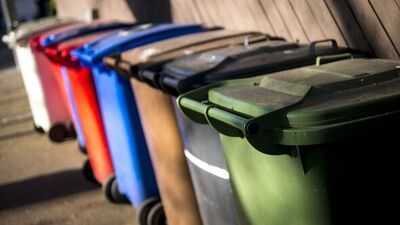
Households in England have been warned that a wide range of everyday waste items no longer belong in recycling bins under the new "Simpler Recycling" rules, as the Government moves to standardise what can and cannot be placed in household collections.
Under the new system, councils have moved to a four-bin arrangement for food and garden waste, paper and card, dry recyclable materials such as glass, metal and plastic, and non-recyclable waste. The changes came into place from March 31 under Government guidance from the Department for Environment, Food & Rural Affairs, and are designed to reduce contamination and make recycling more consistent across councils.
Circular economy minister Mary Creagh said: "We are ending the bin collections postcode lottery and making it easier for people to recycle wherever they live. Simplifying these rules will cut out carbon, clean up our streets, and help bring pride back into our communities. We will continue to work hand-in-hand with local areasto deliver these changes and ensure there's more recycled content in the products we buy."
UK furniture retailer plunges into administration - in business for 150 years
Egg sandwiches are much tastier if you swap out mayonnaise for a better ingredient
However, an expert has said confusion over what counts as recyclable is still leading to "wish-cycling", where people place items in recycling bins hoping they can be processed.
John Rowlinson from the RecyclingExpert.co.uk told the Express: "One of the biggest problems with household recycling, grey bins in my area, is wish-cycling where people put things in the recycling bin because they hope they can be recycled, rather than because they can be.
"Under the new Simpler Recycling rules, the safest advice is still: keep food waste, nappies, tissues, kitchen roll, batteries, vapes, electrical items, soft plastic film and polystyrene out of the recycling bin!
"And dirty packaging is another great big one. A greasy pizza box or a food container with sauce still on it can contaminate other material, so if in doubt, scrape it, rinse it, or leave it out.
"The rules are meant to make recycling easier, but people should not assume every council bin takes exactly the same items, and the best habit is to check your local council list, because contamination can mean perfectly good recyclable material ends up rejected. Whether people will do this is debatable."
GlassGlass bins collections won't include:
- candles
- drinking glasses
- flat glass
- glass cookware (such as Pyrex)
- light bulbs and tubes
- microwave plates
- mirrors
- vases
- window glass
- ceramics, such as crockery or earthenware
- laminated foil, like pet food pouches and coffee pouches
- electrical items and batteries
- general kitchenware like cutlery, pots and pans
- kettles
- irons
- pipes
- metal packaging that has contained white spirits, paints, engine oils or antifreez
- any plastic packaging or non-packaging items labelled as 'compostable' or 'biodegradable', including coffee pods
- plastic bottles that have contained white spirits, paints, engine oils or antifreeze
- bulky rigid plastics such as garden furniture, bins and plastic toys
- polystyrene (expanded and high impact) packaging such as packing beads
- polyvinyl chloride (PVC) packaging
- food and drinks cartons made of a fibre-based composite (these should be collected in the plastic stream)
- absorbent hygiene products (AHPs) including nappies, period products and incontinence products
- cotton wool or makeup pads
- tissue or toilet paper
- wet wipes
You won't be able to bin any plastic packaging or non-packaging items labelled as 'compostable' or 'biodegradable', including coffee pods. Food waste caddy liners used to hold food waste can be put in collections.
Garden waste- animal bedding
- bulky waste (including garden furniture and fencing)
- garden tools or other gardening equipment
- plant pots
- plastic
- sand
- sawdust
- stone, gravel or bricks
- tea bags or coffee grounds
- branches and trees over a certain size may have to be cut into smaller pieces to follow local guidance
-
Alexandria Ocasio-Cortez Focuses on Change Over Presidential Aspirations

-
Brits from hantavirus ship prepare to fly back to UK - 20 to return

-
BBC BAFTA viewers issue same complaint minutes into show: 'Turning off!'

-
Arsenal and Man City's final Premier League games after major title race twist

-
Delhi Capitals' Ian Bell Highlights Mitchell Starc's Influence and KL Rahul's Leadership