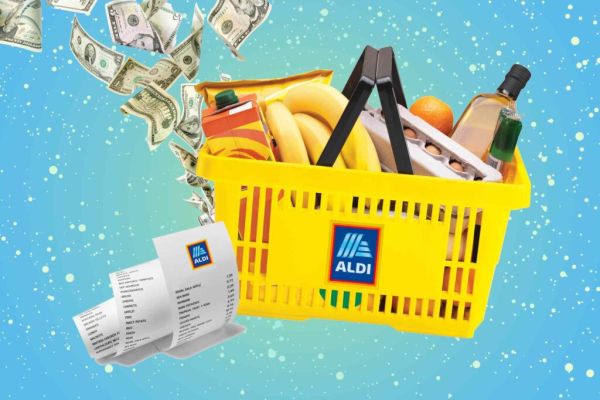
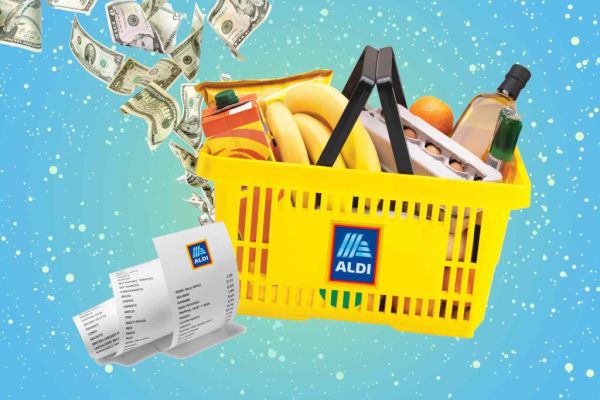
Turns out, paying to use a shopping cart might actually be worth it.
Key Points
- Aldi’s cost-saving measures, like self-bagging and cart deposits, help keep prices low.
- Their private-label products are high-quality and more affordable than name-brand products.
- Simplified store setups and efficient stocking reduce labor costs, so customers save money.
I noticed I was spending so much more money on groceries than ever before. Between inflation and my college student budget, I had a lot of anxiety when I would look at my monthly grocery bill.
Then, Aldi came into my life. Friends and colleagues told me that Aldi was much more affordable compared to other national grocery chains. The national chain has over 2,000 stores across the country and prides itself on its priority: “saving people money on the food and products they want the most,” according to its website. I was initially doubtful about these claims, but after two grocery trips to Aldi, I was hooked.
After making Aldi my go-to grocery store, I did a little math project. The result? Since shopping exclusively at Aldi, I’ve saved $70 per month. When comparing my grocery bills from my pre-Aldi days to now, I was obviously mind-blown.
So, how exactly does Aldi keep its prices so low, and can it really compare to other grocery chains? We have the answers.
Shopping Carts
If you’ve ever shopped at an Aldi location, chances are you’ve noticed how unique a grocery shopping experience it was. These unexpected quirks aren’t just for fun, though; they’re actually important business strategies Aldi uses to keep costs down for their customers.
If you’re an Aldi newbie, take note of the shopping cart etiquette. Aldi chains their shopping carts together and leaves them outside the store. When you go to pull a cart out, you have to insert a quarter into a slot to unlock it from the others in the corral. When you’re finished with your cart, you simply lock it into the other corralled carts. This releases the quarter out of the slot for you to take!
This shopping cart system is a money-saving practice for Aldi. By eliminating the need for employees to track shopping carts entering and leaving the store, they reduce costs, ultimately resulting in lower prices for customers.
Bagging Groceries
One thing that may seem a bit overwhelming when first shopping at Aldi is that the cashier doesn’t help bag groceries. As the cashier scans items, they’ll place them back in the cart and leave it for the customer to handle. The bag counter area is for you to bag your own groceries into the reusable bags you brought (a very important part of Aldi culture).
By having customers do a bit more work, Aldi eliminates the need for grocery baggers. Without having to pay for extra labor, Aldi’s product prices are lower than those of its competitors, who have more employees to pay. While bagging your own groceries at Aldi can seem intimidating at first, fear not. Watching the customers in line ahead of you can usually clue you in to the intricate system.
Private Label Products
One thing particularly notable about Aldi is that 90% of its products are private-label. They do carry some name-brand products, but the majority are produced by the chain’s own manufacturers. This lowers customer costs because Aldi sets its own product prices rather than aligning them with commercial prices. Essentially, they are controlling their own market!
Shop From Boxes
When I was a first-time Aldi shopper, I noticed that the grocery store was visually very different from the other chains I was used to. Their shelves aren’t the shiny, pristine displays of food products that so many stores go out of their way to set up. Instead, Aldi’s products are kept in the display-friendly boxes they were shipped in.
This deliberate decision makes it easier for employees to stock shelves, as they can eliminate the fuss of making shelves look like art projects. The large shipping boxes sent to the store have removable sides, so when they go up on shelves, customers can easily reach in and grab individual items. Produce also comes pre-packaged for easy access. By eliminating the need for intricate shelf displays, Aldi does not have to hire additional employees to spend time shelving products.
Price Comparison
To paint a picture of how much cheaper Aldi’s products are, I did a quick price comparison of Aldi essentials with those from other grocery stores. For example, I found a loaf of whole-wheat bread at Aldi for $1.99, while a whole-wheat loaf at Safeway was $4.49. A gallon of 1% milk at Aldi was $3.05, while it cost $3.29 at Albertsons. Finally, eggs at Aldi were $2.59, while the same carton of grade A large eggs was $5.99 at Target.
While these price differences may seem like only a few cents, those saved cents can add up to a pretty big sum over the course of a month.
Does Low Cost Mean Low Quality?
In my experience, Aldi products are comparable to name-brand offerings at other grocery stores. From produce to canned goods, all my groceries are delicious and high-quality. To keep its promise of product integrity, Aldi has a “Twice as Nice” guarantee, where customers can bring back Aldi-exclusive products they are dissatisfied with to receive a full refund and replacement.
The Bottom Line
If you’re looking to save money on your next grocery trip, consider shopping at Aldi. The store’s cost-saving measures, such as having customers bag their own groceries and selling Aldi-branded products, help ensure its prices are affordable, especially compared to other chains. Shopping at Aldi is also low-risk, thanks to their refund or replacement guarantee.
-
IPL 2026: Chennai Super Kings Climb To Fifth Spot After Beating Lucknow Super Giants As Urvil Patel Stars In Run Chase

-
RCB Vs MI: Rajat Patidar Wins Toss, Opts To Bowl First Against Mumbai Indians Led By Suryakumar Amid Rain Threats

-
Sussanne Khan Remembers Mom Zarine Khan On First Mother's Day After Her Demise: 'I Miss You More Each Day'

-
Bhumi Pednekkar Quits Royals 2 After Massive Trolling For Season 1? Here's What We Know

-
West Ham United vs Arsenal Live Streaming: When And Where To Watch Premier League In India?