petrol-diesel
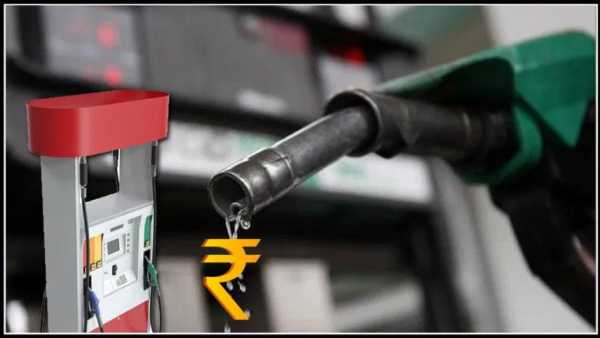
Rs 1,600-1,700 crore every day and more than Rs 1 lakh crore in 10 weeks. This is the price that government oil companies are paying to save Indian consumers from the global energy crisis. But the continuously increasing losses have now raised the question that for how long will these companies be able to bear this burden.
Since the war started in the Middle East 10 weeks ago, government oil companies have continued the supply of petrol, diesel and cooking gas LPG without any interruption. Besides, the prices were also kept much lower than the cost, whereas in many countries of the world fuel became expensive or even rationing had to be done.
Heavy pressure on government oil companies increases
According to sources, Indian Oil Corporation, Bharat Petroleum Corporation Limited and Hindustan Petroleum Corporation Limited are facing record level under-recovery losses. Under-recovery means the difference between the cost of oil companies and the price at which they are sold to customers. The total daily loss of the three companies is said to be around Rs 1,600 to 1,700 crore. In 10 weeks this figure has reached more than Rs 1 lakh crore.
Crude oil is expensive, but petrol and diesel prices are old.
Crude oil prices have increased by almost 50%, but petrol and diesel in India are still being sold at almost two years old rates. The price of petrol remains around Rs 94.77 per liter and diesel at Rs 87.67 per liter. The price of LPG cylinder was increased by Rs 60 in March, but it is still much less than the actual cost.
Now companies may have to take more loans
Oil companies buy crude oil, run refineries and maintain supply networks with the money they earn from selling fuel. Sources say that due to continuous losses, companies may now have to take more loans for working capital. If high crude oil prices persist for a long time, companies may have to push back the timeline of some big projects. However, big projects like refinery expansion, energy security, ethanol blending and biofuels still remain a priority for the government.
Making petrol and diesel expensive is now a political decision.
Another source said that increasing the prices of petrol and diesel has now become a completely political decision. According to him, increasing the fuel prices is considered almost certain, but the government has to decide when and by how much it will increase.
Prices rise in the world, relief continues in India
After the West Asia crisis, the prices of petrol and diesel have increased by 30% in many countries from Japan to Britain. Despite this, prices in India have been kept stable, while due to the war, 40% of India's crude oil, 90% of LPG and 65% of natural gas imports have been affected.
The government also reduced taxes
To reduce the burden of fuel prices, the government has also reduced excise duty. Special additional excise duty on petrol was reduced from Rs 13 to Rs 3 per liter, while Rs 10 per liter excise duty on diesel was completely abolished. According to sources, the government is incurring a loss of around Rs 14,000 crore every month due to this tax cut.


-
Senthil Balaji case: SC upholds CBI probe in transformer tenders
-
PM Modi’s historic Norway visit marks first by Indian PM in 43 years

-
Never seen such a crisis in the currency market, rupee fell by 82 paise against the dollar.
-
PBKS vs DC, IPL 2026: Who Won Yesterday’s Match? Results, Highlights, and Key Performances

-
Dhurandhar 2’s Gaurav Gera Rubbishes Reports Of Ranveer Singh Possessing 5 Vanity Vans; Shares Funny Anecdote