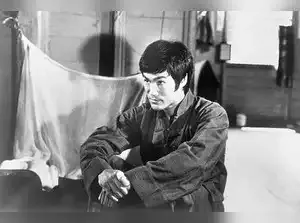
Thought of the day: Few cultural icons have blended physical discipline, philosophy and cinematic charisma as powerfully as Bruce Lee. Decades after his death, Lee remains more than just a martial arts legend, he is remembered as a symbol of adaptability, inner strength and personal transformation. Through his films, teachings and interviews, Lee encouraged people to move through life with flexibility rather than rigidity. While audiences admired his lightning-fast kicks and magnetic screen presence, many were equally drawn to the wisdom behind his words. One of his most enduring reflections compares human resilience to nature itself, offering a lesson that feels especially meaningful in today’s unpredictable world.
The quote by Bruce Lee has endured for generations because it delivers a simple yet profound truth: survival often depends not on strength alone, but on the ability to adapt.
The message applies directly to everyday life. People who refuse to adapt to change, criticism or hardship often struggle when challenges arise. In contrast, those willing to adjust, learn and evolve tend to recover more effectively from setbacks.
Lee’s philosophy suggests that resilience is not about becoming emotionally hard or immovable. Instead, it is about remaining open, fluid and responsive. Flexibility allows individuals to navigate conflict, uncertainty and failure without losing themselves completely.
In modern life, where careers shift rapidly, relationships evolve and unexpected difficulties emerge constantly, the quote feels particularly relevant. Many people are taught to appear strong at all costs, but Lee’s words redefine strength as adaptability rather than stubborn resistance.
As a teenager, Lee became involved in street fights and local gangs, eventually turning to kung fu training to defend himself. But martial arts became more than combat; it became a philosophy of discipline, awareness and self-mastery.
When his parents sent him to the United States at age 18, Lee had to rebuild his life in a new country. In Seattle, he studied philosophy and drama at the University of Washington while teaching martial arts to support himself.
His experiences with cultural barriers and limited opportunities in Hollywood shaped much of his thinking. Asian actors at the time were often stereotyped or sidelined in American cinema, and Lee struggled to secure meaningful roles after the cancellation of The Green Hornet, in which he played Kato.
Instead of accepting limitations imposed by the industry, Lee adapted. He created his own martial arts philosophy, jeet kune do, which blended techniques from kung fu, boxing, fencing and philosophy. The style emphasized efficiency, freedom and fluidity, ideas reflected clearly in this quote.
This quote about bamboo and willow reflects the same worldview. Nature survives not through force alone but through balance and flexibility. Bamboo bends during storms instead of resisting them head-on. That ability to yield becomes its greatest strength.
Lee believed people should approach life similarly. Emotional resilience does not mean suppressing feelings or pretending to be invincible. It means adjusting to life’s pressures without becoming consumed by them.
This philosophy resonates strongly today as people face economic uncertainty, mental health struggles and rapidly changing social expectations. The pressure to appear constantly successful can leave little room for vulnerability or growth. Lee’s words offer a healthier alternative: adaptability is not weakness, it is wisdom.
Enter the Dragon became especially groundbreaking as one of the first major collaborations between Hong Kong and American film studios. Lee’s charisma, athleticism and philosophy captivated audiences worldwide and helped change the representation of Asians in Western cinema.
Tragically, Lee died in 1973 at just 32 years old, days before the Hong Kong release of Enter the Dragon. Though his life was short, his influence became enormous. He evolved into a global cultural icon whose teachings extended far beyond martial arts.
Lee’s words remind readers that survival sometimes requires surrendering the illusion of control. Like bamboo in the wind, adapting to difficult circumstances can prevent emotional collapse.
The quote also challenges the idea that toughness alone guarantees success. In reality, the most emotionally resilient people are often those who know when to bend, compromise and evolve.
His teachings continue to inspire athletes, actors, entrepreneurs and ordinary people searching for balance in difficult times.
The thought of the day serves as a reminder that true strength is not found in rigidity. Like bamboo weathering a storm, resilience often comes from the ability to bend without breaking.
Thought of the day today
“Notice that the stiffest tree is most easily cracked, while the bamboo or willow survives by bending with the wind.”The quote by Bruce Lee has endured for generations because it delivers a simple yet profound truth: survival often depends not on strength alone, but on the ability to adapt.
Thought of the day meaning
At its core, the quote is about flexibility, emotionally, mentally and spiritually. Bruce Lee uses the image of trees in a storm to explain how rigid thinking can become a weakness. A stiff tree resists pressure until it eventually breaks, while bamboo and willow bend with changing winds and survive.The message applies directly to everyday life. People who refuse to adapt to change, criticism or hardship often struggle when challenges arise. In contrast, those willing to adjust, learn and evolve tend to recover more effectively from setbacks.
Lee’s philosophy suggests that resilience is not about becoming emotionally hard or immovable. Instead, it is about remaining open, fluid and responsive. Flexibility allows individuals to navigate conflict, uncertainty and failure without losing themselves completely.
In modern life, where careers shift rapidly, relationships evolve and unexpected difficulties emerge constantly, the quote feels particularly relevant. Many people are taught to appear strong at all costs, but Lee’s words redefine strength as adaptability rather than stubborn resistance.
Bruce Lee’s life reflected his philosophy
The quote carries even deeper meaning when viewed alongside Bruce Lee’s own life story. Born in San Francisco in 1940 and raised primarily in Hong Kong, Lee experienced both Eastern and Western cultures from an early age. His father was an opera singer and actor, introducing him to entertainment while he was still a child.As a teenager, Lee became involved in street fights and local gangs, eventually turning to kung fu training to defend himself. But martial arts became more than combat; it became a philosophy of discipline, awareness and self-mastery.
When his parents sent him to the United States at age 18, Lee had to rebuild his life in a new country. In Seattle, he studied philosophy and drama at the University of Washington while teaching martial arts to support himself.
His experiences with cultural barriers and limited opportunities in Hollywood shaped much of his thinking. Asian actors at the time were often stereotyped or sidelined in American cinema, and Lee struggled to secure meaningful roles after the cancellation of The Green Hornet, in which he played Kato.
Instead of accepting limitations imposed by the industry, Lee adapted. He created his own martial arts philosophy, jeet kune do, which blended techniques from kung fu, boxing, fencing and philosophy. The style emphasized efficiency, freedom and fluidity, ideas reflected clearly in this quote.
The philosophy behind “be like water”
Bruce Lee frequently spoke about the importance of fluidity. One of his most famous teachings encouraged people to “be like water,” meaning they should adapt to circumstances without losing their essence.This quote about bamboo and willow reflects the same worldview. Nature survives not through force alone but through balance and flexibility. Bamboo bends during storms instead of resisting them head-on. That ability to yield becomes its greatest strength.
Lee believed people should approach life similarly. Emotional resilience does not mean suppressing feelings or pretending to be invincible. It means adjusting to life’s pressures without becoming consumed by them.
This philosophy resonates strongly today as people face economic uncertainty, mental health struggles and rapidly changing social expectations. The pressure to appear constantly successful can leave little room for vulnerability or growth. Lee’s words offer a healthier alternative: adaptability is not weakness, it is wisdom.
Bruce Lee’s rise to global stardom
After struggling to find opportunities in Hollywood, Lee returned to Hong Kong in the early 1970s and quickly became a box-office sensation. Films such as Fists of Fury, The Way of the Dragon and Enter the Dragon transformed him into an international superstar.Enter the Dragon became especially groundbreaking as one of the first major collaborations between Hong Kong and American film studios. Lee’s charisma, athleticism and philosophy captivated audiences worldwide and helped change the representation of Asians in Western cinema.
Tragically, Lee died in 1973 at just 32 years old, days before the Hong Kong release of Enter the Dragon. Though his life was short, his influence became enormous. He evolved into a global cultural icon whose teachings extended far beyond martial arts.
Why the quote still resonates today
Part of the quote’s lasting appeal comes from its universality. Everyone experiences moments when life feels overwhelming, career setbacks, heartbreak, disappointment or uncertainty. During those times, people often try to control everything rigidly, fearing vulnerability or change.Lee’s words remind readers that survival sometimes requires surrendering the illusion of control. Like bamboo in the wind, adapting to difficult circumstances can prevent emotional collapse.
The quote also challenges the idea that toughness alone guarantees success. In reality, the most emotionally resilient people are often those who know when to bend, compromise and evolve.
Bruce Lee’s enduring legacy
Bruce Lee remains one of the most influential pop culture figures of the 20th century. Beyond redefining martial arts films, he introduced millions of people to philosophies rooted in discipline, mindfulness and adaptability.His teachings continue to inspire athletes, actors, entrepreneurs and ordinary people searching for balance in difficult times.
The thought of the day serves as a reminder that true strength is not found in rigidity. Like bamboo weathering a storm, resilience often comes from the ability to bend without breaking.