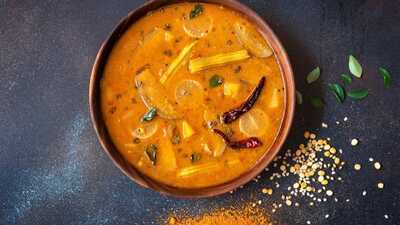
New Delhi: There are few dishes as comforting, aromatic, and universally loved across South India as sambar, a steaming bowl of lentil-rich stew infused with spices, vegetables, and the unmistakable tang of tamarind. Whether served with fluffy idlis, crispy dosas, hot rice, or even vadas soaked until they melt in your mouth, sambar is more than an everyday staple; it’s a warm, nostalgic hug in a bowl.
Each region, and every home within it, gives sambar its own personality, making it one of India’s most diverse culinary traditions. This guide breaks down everything you need to recreate a traditional, flavour-packed sambar at home, the way families across Tamil Nadu, Kerala, Karnataka, and Andhra Pradesh prepare it.
How to make SambarFor the sambar
- 1 cup toor dal (arhar dal)
- 2–3 cups mixed vegetables (drumstick, pumpkin, brinjal, carrots, beans, radish, onions, tomatoes)
- 2 tbsp thick tamarind pulp (adjust to taste)
- 1–1.5 tbsp sambar powder (homemade or high-quality store-bought)
- ½ tsp turmeric powder
- Salt to taste
- 4 cups water (adjust consistency)
For the tempering (tadka)
- 2 tbsp sesame oil or coconut oil
- 1 tsp mustard seeds
- 1 tsp cumin seeds
- 1–2 dried red chillies
- A pinch of asafoetida (hing)
- 10–12 curry leaves
- Optional: 1 tbsp grated coconut or a small spoon of jaggery (regional variations use these)
How to make:
Mastering South Indian sambar is about understanding its balance, earthy lentils, vibrant vegetables, and spices that awaken the senses. It’s simple, soulful, and endlessly adaptable, carrying generations of tradition in every spoon.
-
Start the week with a film: 'Two Prosecutors' chillingly reveals what total state control looks like

-
CBSE Class 12 Board Exam Results 2026: What Students Need to Know

-
PSEB Class 10 Results 2026: Release Time and How to Check Your Scores

-
I asked 4 chefs for the best pie filling - they chose 1 filling over beef or steak

-
Hyderabad: Actor Bharat Kant, cinematographer Sai Trilok killed in ORR accident