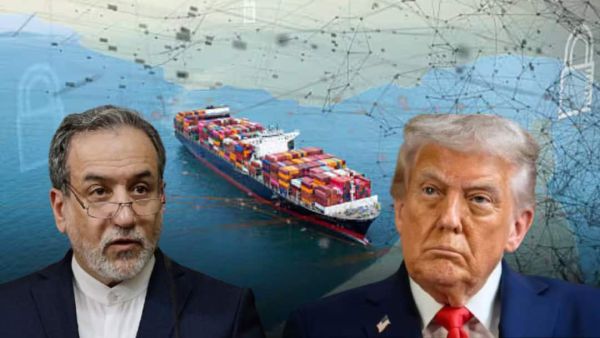
Iran has reportedly introduced a new transit regime for ships passing through the strategically crucial Strait of Hormuz, raising concerns across global shipping and energy markets. According to shipping industry publication Lloyd's List, vessels will now be required to obtain prior transit authorisation and pay toll fees before entering the waterway. The move comes amid escalating tensions involving Iran, the United States and Israel, with Tehran signalling it will take a tougher stance while continuing to defend its national interests and regional influence.
New Rules For Ships
Iran has reportedly established a new body called the Persian Gulf Strait Authority (PGSA) to regulate vessel movement through the Strait of Hormuz. Under the new framework, ships must secure approval before transit and comply with regulations issued by Iranian authorities.
According to Lloyd’s List, some shipping operators have already paid millions of dollars in fees to obtain passage clearance. One reported payment was estimated at around USD 2 million. However, Tehran has not publicly disclosed the exact toll structure or clarified which countries will be exempt from the charges.
Iran’s Revolutionary Guards-linked Press TV reported on May 5 that vessels intending to pass through the strait would receive official guidance and regulations through the email address info@PGSA.ir
Netanyahu Claims Trump Wants To 'Go In' Iran To Remove Enriched Uranium, Warns War 'Not Over'
.Iran Signals Tough Position
Iranian President Masoud Pezeshkian said the country would never “bow before the enemy”, stressing that discussions around dialogue or negotiations should not be interpreted as surrender. He said Iran’s objective remained protecting national interests and defending the rights of the Iranian people.
Iran has previously warned that vessels linked to the United States or Israel could be barred from using the Strait of Hormuz. Ships from countries considered “non-hostile” may still be allowed passage, but only after prior coordination and approval from Iranian authorities.
The Strait of Hormuz is one of the world’s most critical oil shipping routes, handling a major share of global crude exports. Any disruption or additional restrictions in the region could increase shipping costs, affect oil prices and add fresh uncertainty to global trade markets.
Trump Rejects Iran’s Response To US Peace Proposal, Calls It 'Totally Unacceptable'
-
'For People Who Don't Understand Colloquial Tamil': S. Badrinath Breaks Silence After Backlash Over Insensitive Remark On Krunal Pandya Sparks Controversy

-
FC Barcelona Clinch 29th Back-To-Back La Liga Title; Lionel Messi Congratulates Former Club On Instagram

-
Nagaland State Lottery Result: May 11, 2026, 1 PM Live - Watch Streaming Of Winners List Of Dear Dwarka Sambad Morning Monday Weekly Draw

-
NMC Urges Medical Colleges To Support NBEMS Postgraduate Practical Exams Amid Shortage Of Centres, Faculty & Infrastructure

-
Maharashtra FYJC Admission 2026: Class 11 Online Registration Underway; Here’s What Students Need To Know
