Srinagar, May 11: Ladakh’s famed pashmina, celebrated worldwide for its softness and warmth, is transforming as authorities move to modernise production and expand its global reach.
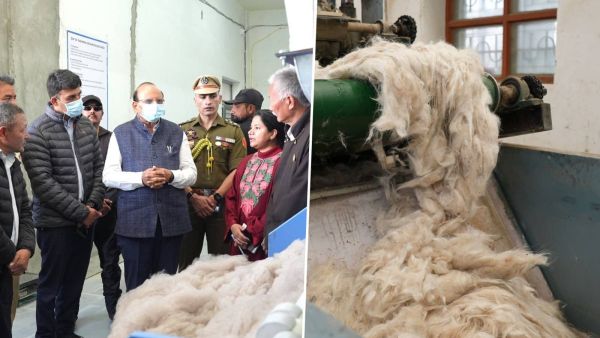
At the Pashmina Dehairing Plant in Leh, raw fibre sourced from goats in Changthang, a high-altitude plateau where nomadic herders have sustained this centuries-old tradition, is processed through multiple stages.
Officials informed that the fibre, often mixed with dust, mud and grease from grazing, requires extensive cleaning and scouring before dehairing separates the fine strands from the coarser fibre.
Lieutenant Governor Vinai Kumar Saxena, who inspected the plant, stressed the importance of building a sustainable ecosystem around the fibre.
“Strengthening local processing, improving quality standards and promoting value addition within Ladakh will significantly enhance the livelihoods of pashmina growers while preserving the region’s traditional heritage,” he said.
Authorities are exploring ways to utilise coarse fibre for products such as rugs and carpets, which enjoy strong market demand. Efforts are also underway to expand spinning and yarn production, with training programmes planned to build entrepreneurial capacity among local workers.
Currently, only about a quarter of Ladakh’s pashmina is processed locally. Trial spinning projects in Bengaluru and Delhi have shown promising results, officials added.
Ladakh’s raw pashmina fibre already carries a Geographical Indication (GI) tag, and work is in progress to secure GI recognition for hand-spun pashmina.
“For years, we have sold raw fibre at low prices while others outside Ladakh made profits from finished products. If processing happens here, our children may finally see better incomes,” said Tsering Dorjay, a herder from Changthang.
“Training in spinning and yarn production could open new opportunities for young people who otherwise migrate for work. It is important that Ladakh itself becomes part of the value chain,” said Dolma Angmo, who runs a small weaving unit.
-
Who is Faustino Oro, the wonderkid called the Messi of chess?

-
CBSE Class 12 Results 2026 Expected Today: What Students Need to Know

-
Strictly Come Dancing star rushed to hospital after horror emergency

-
Kejriwal Critiques Modi's Economic Advice Amidst Concerns of Crisis
-
Union Minister Jyotiraditya Scindia to Attend Assam Chief Minister's Oath Ceremony