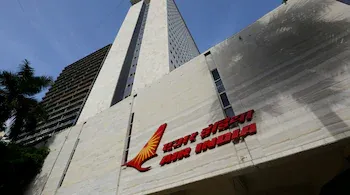
Air India has terminated more than 1,000 employees over the past three years for ethical misconduct and policy violations, Chief Executive Officer Campbell Wilson revealed during an internal leadership communication. The statement comes as the Tata Group-owned airline continues its large-scale transformation and restructuring process following its takeover from the Indian government in 2022.
According to reports, Wilson said the dismissals were linked to various ethical breaches including fraud, harassment, corruption, falsification of documents, theft, conflicts of interest, and inappropriate workplace behaviour. He stated that the company was taking a “zero tolerance” approach toward misconduct as part of efforts to rebuild Air India’s corporate culture and operational standards.
The airline has been undergoing one of the biggest restructuring exercises in Indian aviation history after decades of financial struggles and operational inefficiencies under state ownership. Since the Tata Group regained control of the airline, management has focused heavily on improving customer service, modernising operations, and strengthening internal governance systems.
Wilson reportedly said the airline had significantly strengthened whistleblower systems and internal compliance mechanisms over the last three years. He added that employees were now being encouraged to report unethical behaviour without fear of retaliation. The company also claimed it had improved transparency in investigations involving workplace misconduct and disciplinary action.
The CEO’s remarks come at a time when Air India is aggressively expanding its domestic and international operations while simultaneously attempting to overhaul its organisational culture. Industry analysts say the company’s stricter internal discipline reflects broader efforts to align Air India with global airline governance standards.
Tata Group Pushes Cultural Reset at Air India:
Since returning to Tata Group ownership, Air India has announced several major initiatives aimed at revamping the airline’s image and operations. The airline placed record aircraft orders with both Airbus and Boeing, upgraded airport lounges, introduced fleet modernisation plans, and expanded international routes.
However, company executives have repeatedly acknowledged that operational reform alone would not be enough without significant cultural and organisational changes inside the airline. Campbell Wilson has frequently spoken about the need to improve accountability, employee behaviour, and workplace professionalism as Air India attempts to rebuild passenger trust.
According to reports, the company has conducted multiple internal training programmes focused on ethics, customer service, workplace conduct, and corporate governance since 2022. Air India management believes stronger internal discipline is necessary to support the airline’s transformation into a globally competitive carrier.
The airline has also introduced stricter performance monitoring systems and revised human resource policies over the past few years. Several senior executives have publicly stated that the company intends to create a more performance-driven work environment after years of bureaucratic functioning under government ownership.
Industry experts believe the scale of employee terminations highlighted by Wilson demonstrates the extent of organisational restructuring currently underway within Air India. Analysts say such measures are often seen during major corporate turnarounds, especially in companies transitioning from public-sector management models to private ownership structures.
Air India Faces Pressure to Improve Service and Reliability:
The airline’s transformation efforts have attracted strong public attention due to Air India’s importance in the Indian aviation sector. While the company has made visible investments in branding, aircraft expansion, and passenger experience, it has also faced criticism over flight delays, operational issues, and customer complaints during the transition period.
Air India has acknowledged several operational challenges linked to aircraft shortages, supply chain disruptions, and integration complexities following the merger of multiple Tata aviation businesses. The company is currently integrating Air India Express, Vistara, and other airline operations under a broader consolidation strategy.
Campbell Wilson has repeatedly maintained that large-scale transformation in aviation takes time, especially for an airline of Air India’s size and legacy. The airline continues to hire aggressively across engineering, cabin crew, pilots, and management roles while simultaneously removing employees found guilty of policy violations.
Aviation analysts say Air India’s focus on ethics and accountability could become increasingly important as the airline expands globally and competes with established international carriers. Strong governance practices are often viewed as critical for maintaining operational reliability, safety standards, and customer confidence in the aviation industry.
The Tata Group has positioned Air India as a central part of its long-term aviation ambitions. The conglomerate aims to turn the airline into a major international aviation brand capable of competing with leading Middle Eastern and Asian carriers over the next decade.
Social Media Reacts to Air India’s Internal Crackdown:
The disclosure about employee terminations triggered widespread reactions across aviation and business communities online.
“Air India has terminated over 1,000 staff in last 3 years for ethical breaches: CEO Campbell Wilson”~Bussiness
“Air India continues major cultural and operational overhaul under Tata Group”~ET NOW
“Corporate governance reforms becoming central to Air India’s turnaround strategy”~CNBC-TV18
“Air India transformation includes stricter ethics enforcement and compliance systems”~Business Today
Many users on social media supported the airline’s stricter stance on misconduct, arguing that strong internal accountability is necessary for rebuilding Air India’s reputation. Others pointed out that cultural transformation inside legacy organisations often takes years and requires consistent enforcement of standards across all levels of management.
-
TVK-AIADMK Deal Nears Closure? Who All Did CM Vijay Meet Ahead Of the Floor Test

-
#MeToo-Era Rape Case Returns To Court As Hollywood Producer Harvey Weinstein Faces Third Trial Over Actor Jessica Mann Allegations

-
'I Don't Trust Pakistan': US Senator Graham Blasts Islamabad Over Role Shielding Iranian Military Jets As Iran War Costs Hit $29 Billion
-
'We’ll Finish The Job': Trump Vows US Will Win Iran War 'Peacefully or Otherwise', Claims Blockade 100% Effective
-
CBI Takes Over NEET 2026 Paper Leak Probe As 150 Candidates Questioned Across 3 States