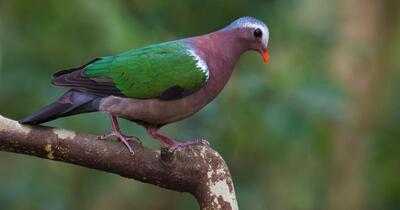
A flying emerald dove is a flash of metallic green, weaving low through trees. To the bird, a glass surface reflecting sky or foliage looks like open air.
Then comes the impact.
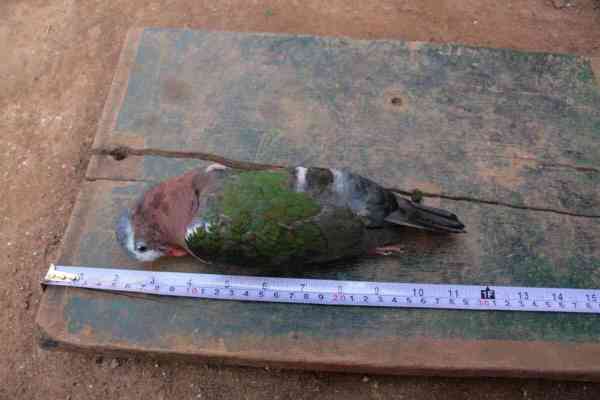
Architect and birdwatcher Peeyush Sekhsaria remembers hearing a “blast-like sound” at a tourist lodge in Coorg in 2007 when an emerald dove slammed into a window. The building was not a modern glass tower but an ordinary structure.
Nearly two decades later, the incident still stays with him. What troubles him more is that India has little systematic documentation of birds dying after colliding with glass.
Unlike North America, where building collisions are estimated to kill more than a billion birds annually, India has no national assessment.
 An invisible hazard
Glass creates a danger birds cannot recognise. Transparent panes appear as open flight paths, while reflective surfaces mirror vegetation or sky. Birds attempting to fly through these illusions collide at high speed.
Reports surface sporadically. In Gujarat, migratory rosy starlings fell after hitting glass. In Meghalaya, long-tailed broadbills struck an automobile showroom façade. Many incidents circulate only within birdwatching groups or on social media: a stunned barbet beneath a building, or a thud against an apartment window.
“We really don’t know the scale of this issue,” says Ashwin Viswanathan, an ecologist at the Nature Conservation Foundation.
Collisions occur wherever reflective glass...
Read more
-
How to read the classics in an age of distraction (and three short books to get you going)

-
A Groundbreaking Wedding Decision in Madhya Pradesh Challenges Dowry Norms

-
GB News issues breaking news alert - it's a major blow for Starmer

-
P Diddy issues blunt statement after 'Sarah Ferguson fling' bombshell

-
COVID was biggest crisis, West Asia situation another major challenge: PM Modi